Best Time to Visit Longji Rice Terraces: Month by Month
Choose when to visit Longji Rice Terraces for water, green fields or harvest gold, with month-by-month trade-offs, holiday risks and overnight planning.
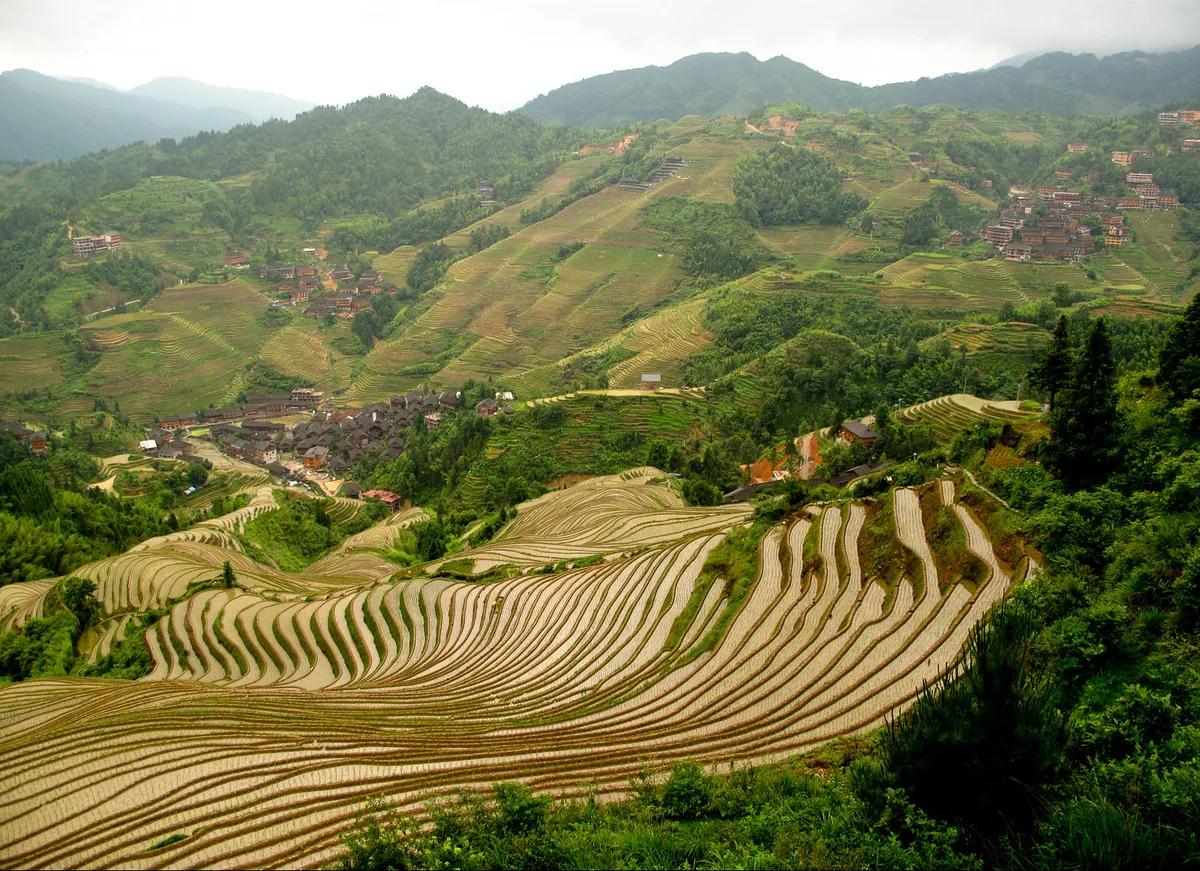
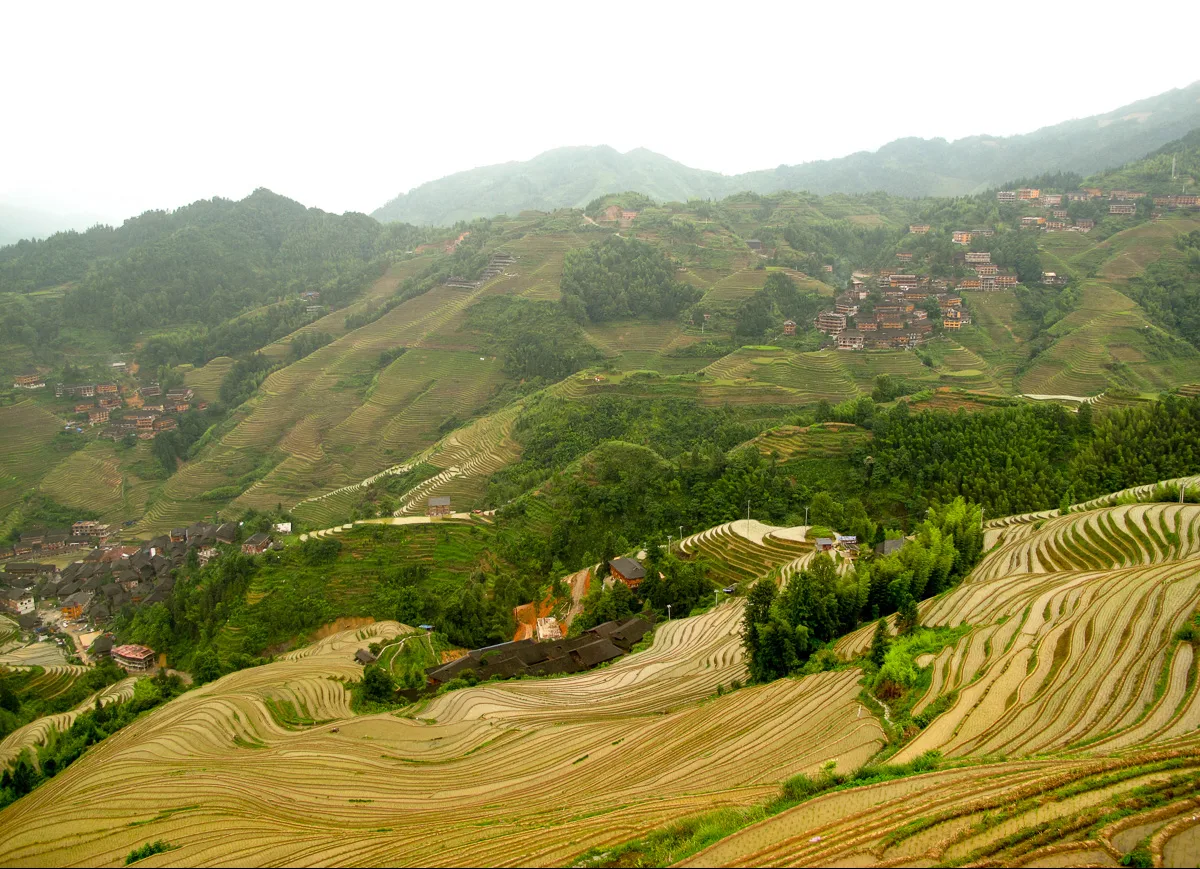
Last updated November 2026: the best time to visit Longji Rice Terraces depends on your view: water around planting, green summer rice or gold before harvest. Mid-to-late May and late September are useful planning candidates, but timing varies by year, village and slope, so neither guarantees a peak.
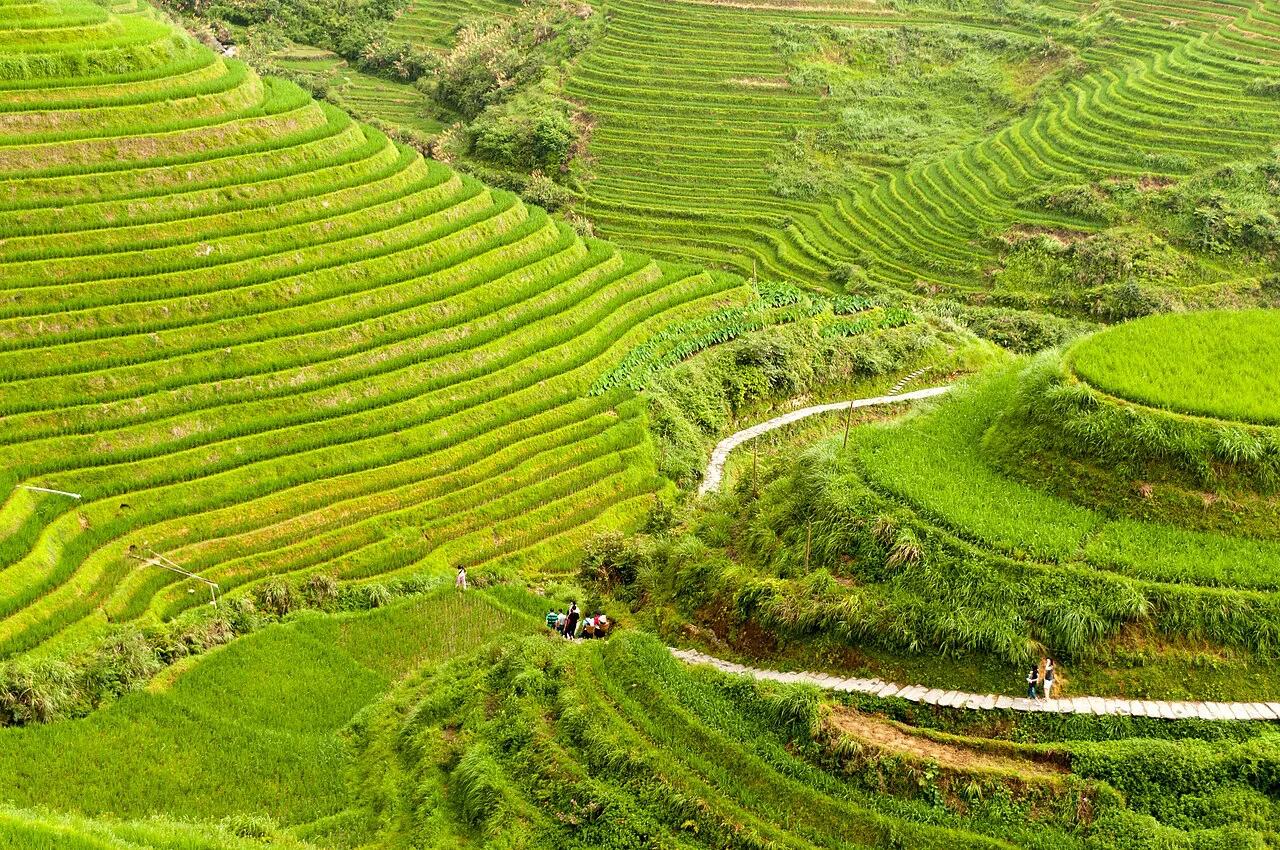
Featured image: King of Hearts, CC BY-SA 4.0, via Wikimedia Commons.
Best Time to Visit Longji Rice Terraces by Season
Flexible travelers should wait for recent field photos before committing. With fixed dates, plan around whatever stage you find and keep village walks as your fallback. Booking long-haul far ahead? Favor changeable reservations. Our Longji terraces destination guide covers the wider visit. The scenic area's official site calls Longji suitable in all seasons and says spring and autumn both suit photography. It lists admission at ¥80 for the whole area, including Jinkeng (Dazhai), with all-day opening (price and hours checked November 2026). That is a single listed figure, not a seasonal price range.
| Season | Likely view | Timing confidence | Main risk | Crowd factor | Best fit |
|---|---|---|---|---|---|
| Water: about mid-April to early June | Flooded fields, then young rice | Varies by area | Patchy flooding or fog | Early-May holiday | Reflection seekers with some flexibility |
| Green: about June to August or mid-September | Growing rice | Broad window, gradual changes | Rain, heat, slippery paths | Assess summer school holidays | Summer travelers and walkers |
| Gold: about mid-September to October, sometimes later | Ripening and cut fields | Disputed peak | Early color gaps or cutting | Early-October holiday | Harvest-view seekers who can adjust |
| Winter: December to February | Bare or possibly watered fields | Low | Fog and uncertain scenery | Chinese New Year may affect demand | Travelers who accept an uncertain view |
Longji Rice Terraces Month by Month
Use these 12 months as a planning outline, not a field forecast. Transitions are gradual, and one village's photos cannot speak for every slope. One tour operator estimates 17°C (63°F) to 24°C (75°F) in April and 25°C (77°F) to 32°C (90°F) in July. Its September estimate is 22°C (72°F) to 28°C (82°F). It does not identify a weather station or elevation, so treat these as rough guidance.
| Month | Likely field stage | Main caveat | Planning approach |
|---|---|---|---|
| January | Off-season; water disputed | Fog; reflections uncertain | Stay flexible |
| February | Off-season; water disputed | Chinese New Year may fall now | Check lodging is open |
| March | Early field work; some possible flooding | Often early for mirrors | Stay flexible |
| April | Flooding transition | Coverage can be partial | Check recent photos |
| May | Water and planting | Early-May holiday; progress varies | Consider mid-to-late May |
| June | Water gives way to green | Rain; mirrors may be closing | Check planting |
| July | Green rice | Heat and rain | Plan easier walks |
| August | Mostly green; early yellow possible | School-holiday demand | Book beds early if fixed |
| September | Green to gold | Color may be incomplete | Watch late September |
| October | Gold and harvest | Holiday and cutting | Check each area's schedule |
| November | Late harvest or stubble | Cutting dates differ | Do not assume gold or water |
| December | Off-season; water disputed | Fog and uncertain reflections | Stay flexible |
When Can You See Water-Filled Terraces?
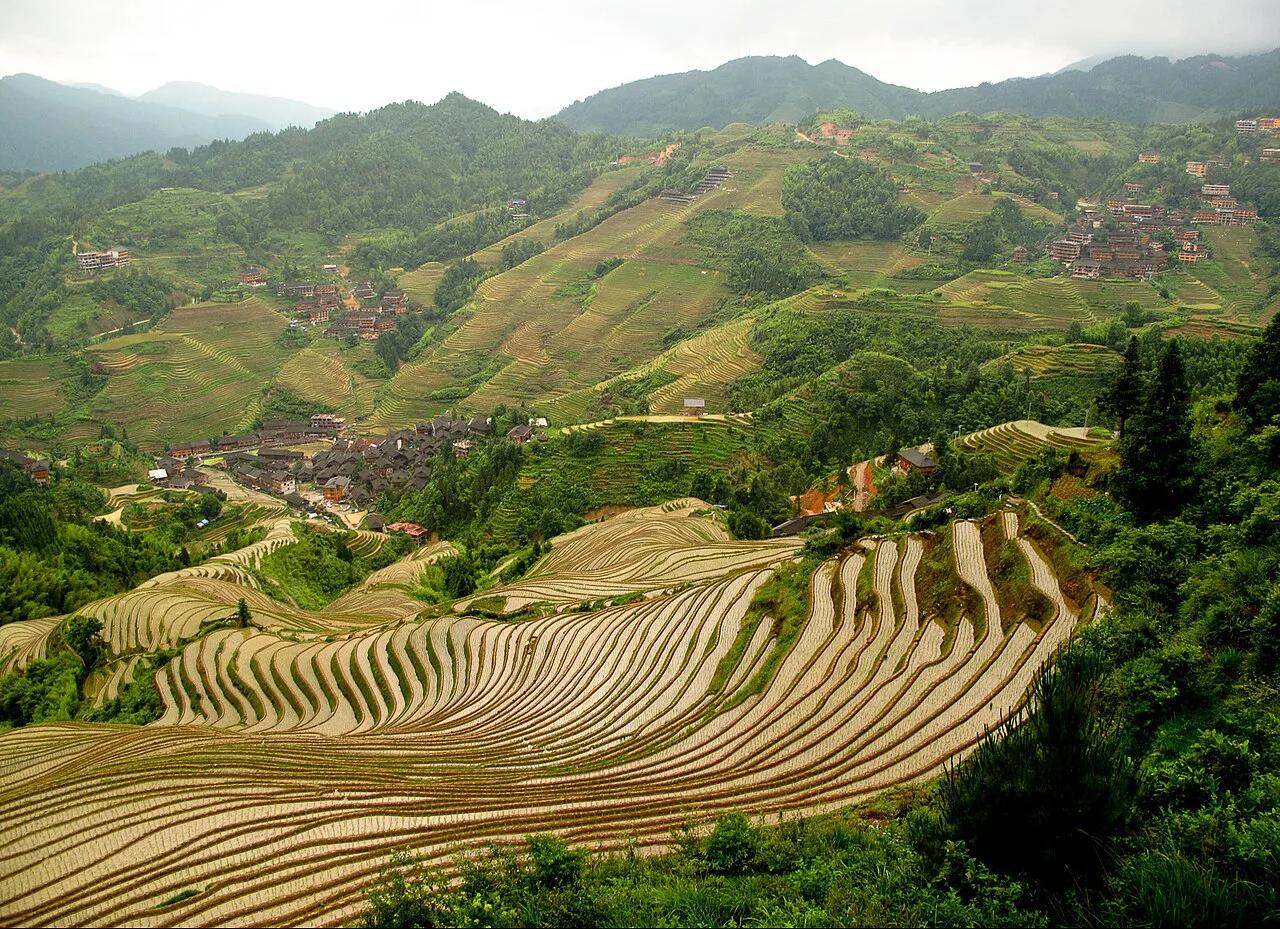
Irrigation is usually described as mid-April to May, with some fields starting as early as March. Recommendations for the strongest view are narrower: May, mid-May to early June, or late May to early June. Aim for mid-to-late May if you are choosing in advance. Early April may be too soon. By late June, growing rice may have replaced much of the reflective surface. Flooding and planting are separate checks because a watered field may already hold dense seedlings. Water also cannot guarantee a clear view through fog or a bright reflection under dull skies.
When Do the Rice Terraces Turn Golden?
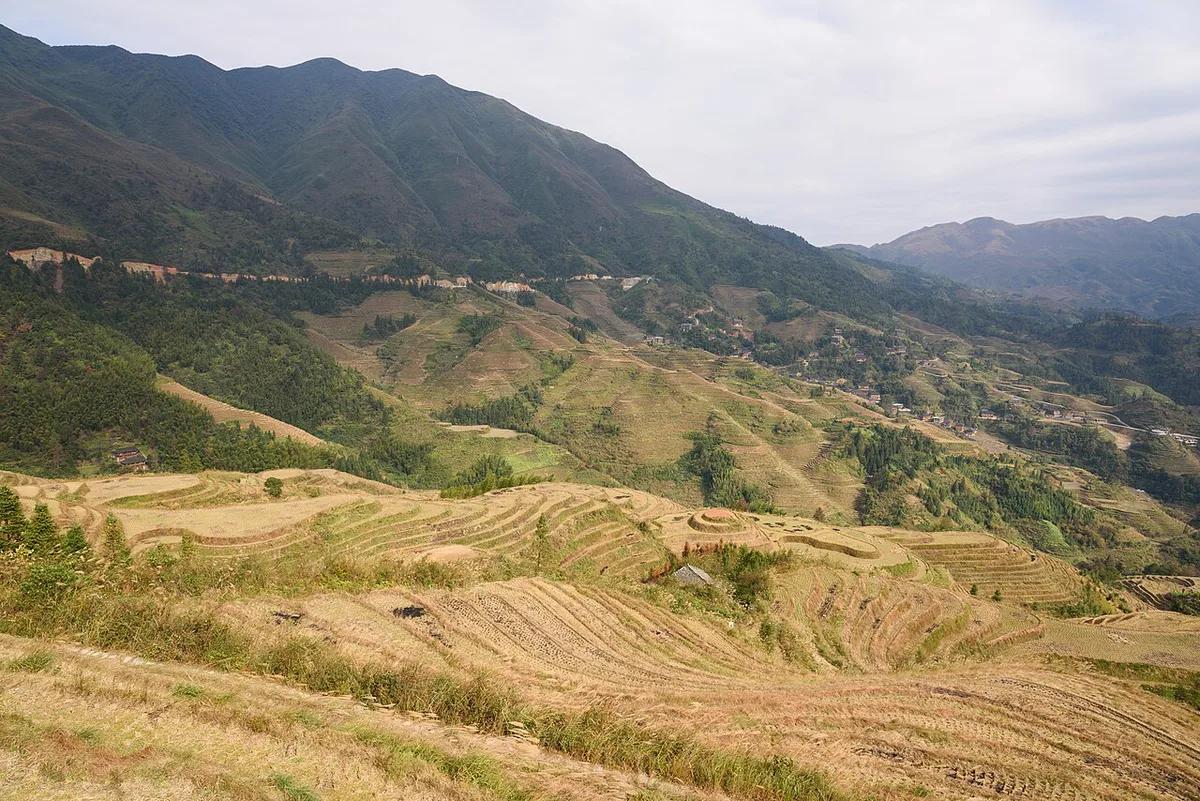
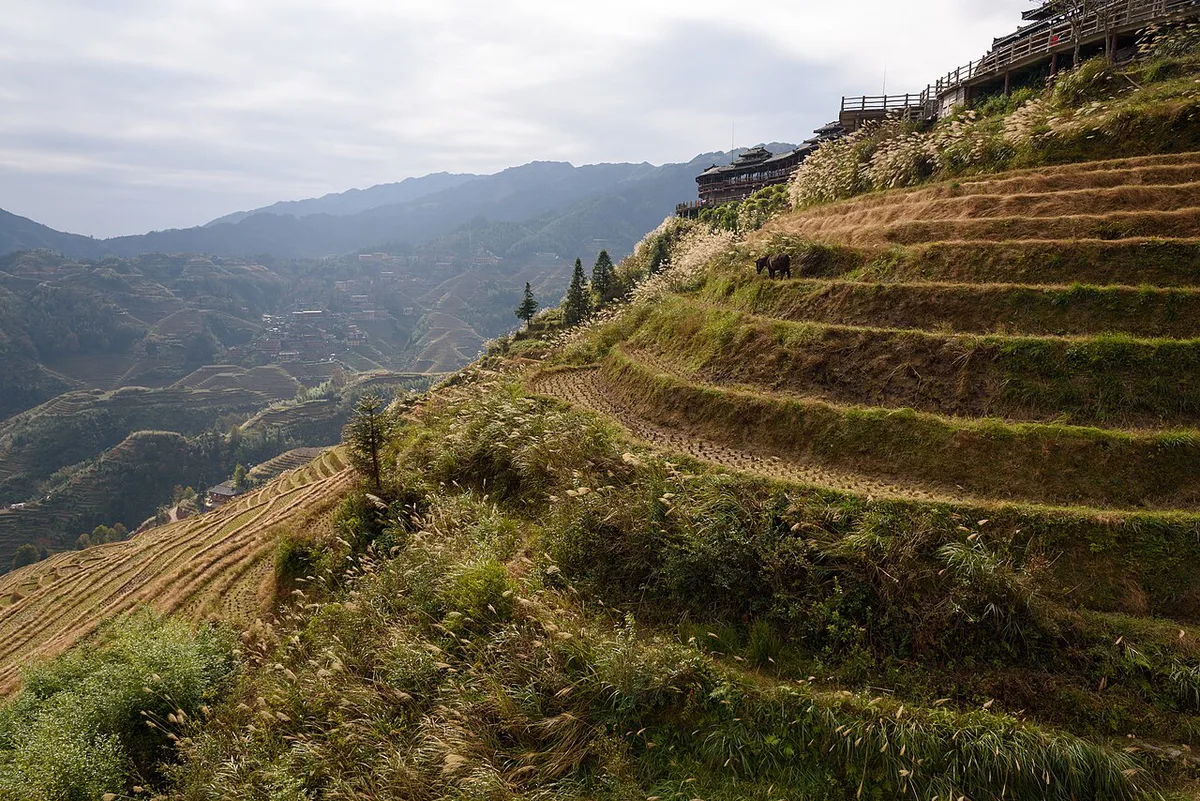
Published peak advice ranges from the second half of September to the second half of October. Others suggest late September to early October, while one account places harvesting around October 10 to 25. Late September is a candidate for color, not a promise. Photographer Fabio Nodari reports later harvest starts in 2025: October 26 in Ping'an and November 2 in Dazhai. Treat those as unconfirmed past reports, not future dates. A harvest start also does not mark peak color. Cut and uncut fields may sit side by side, and each area can follow a different schedule. If gold matters most, ask for the current year's plan before choosing late September or October. For official announcements, start with the Longsheng County Government website and search 龙脊梯田.
Are Summer and Winter Worth It?
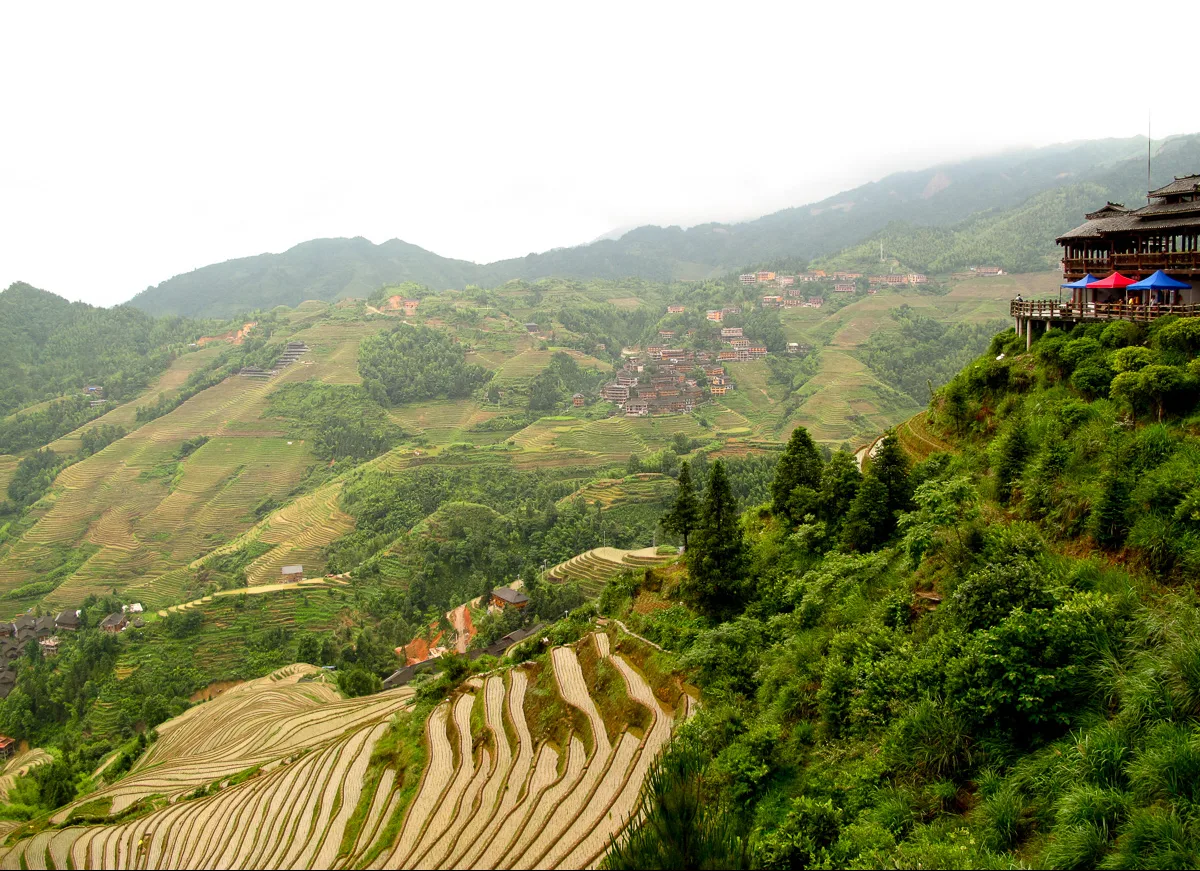
Summer works if you want green fields. Broad estimates place this stage from June to August or mid-September, with possible yellow patches in August. One operator calls June the wettest month. Its June estimate is 22°C (72°F) to 29°C (84°F), without a stated station. Start walks early in hot weather, and reconsider steep or muddy routes during rain. Rain can also raise the risk of mountain-road blockages.
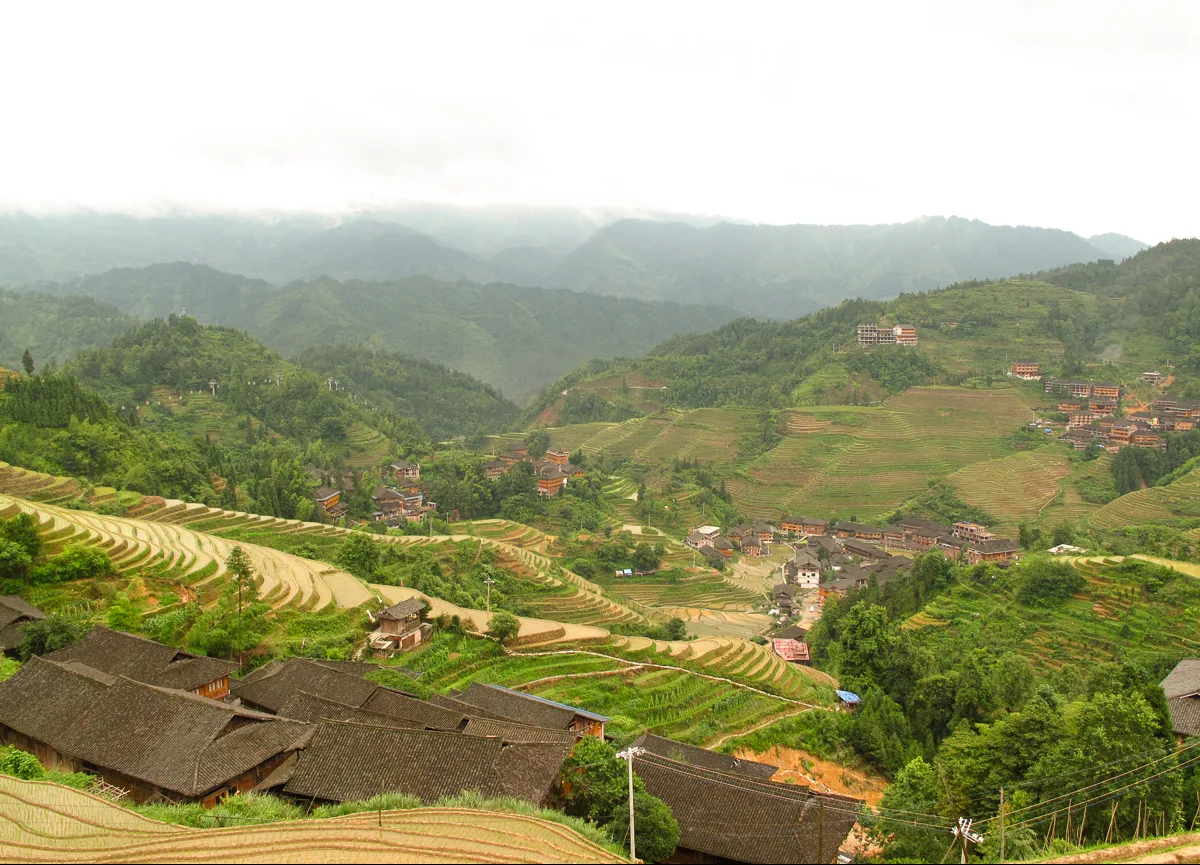
From December to February, accept an uncertain view. Fog can hide the terraces, snow is not dependable, and accounts disagree about winter water. Do not book for mirrors without dated photos from your chosen area. The same operator estimates 5°C (41°F) to 12°C (54°F) in December. It also says some guesthouses reduce kitchen service or close in February, so ask about meals before booking.
How Holidays and Festivals Affect Your Dates
Allow for China's early-May and early-October national holidays, plus Chinese New Year in late January or February. Holiday dates change, so use the official calendar for your travel year. Assess summer school-holiday demand separately. Traveling just outside a holiday can avoid that calendar period, but it cannot promise empty viewpoints. For rail arrivals, search your actual date on China Railway 12306.
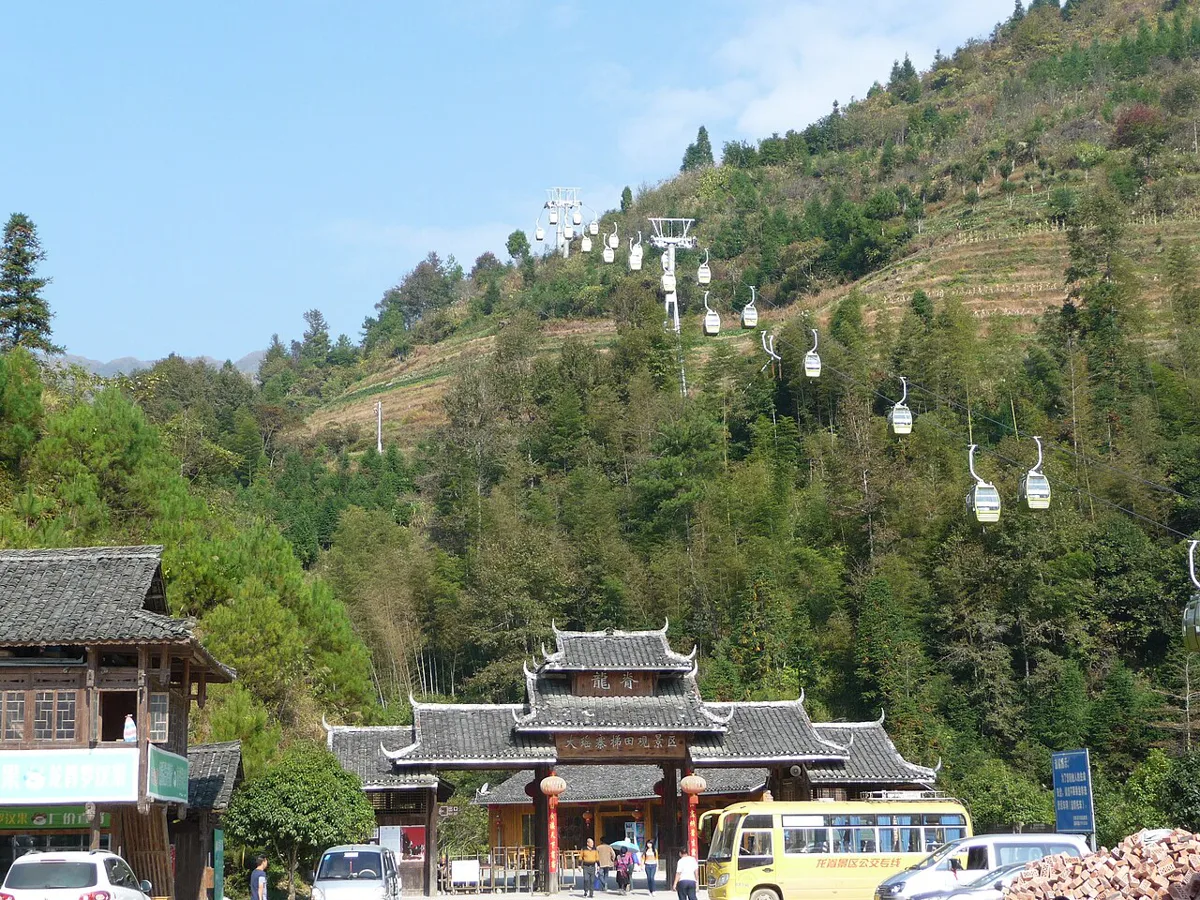
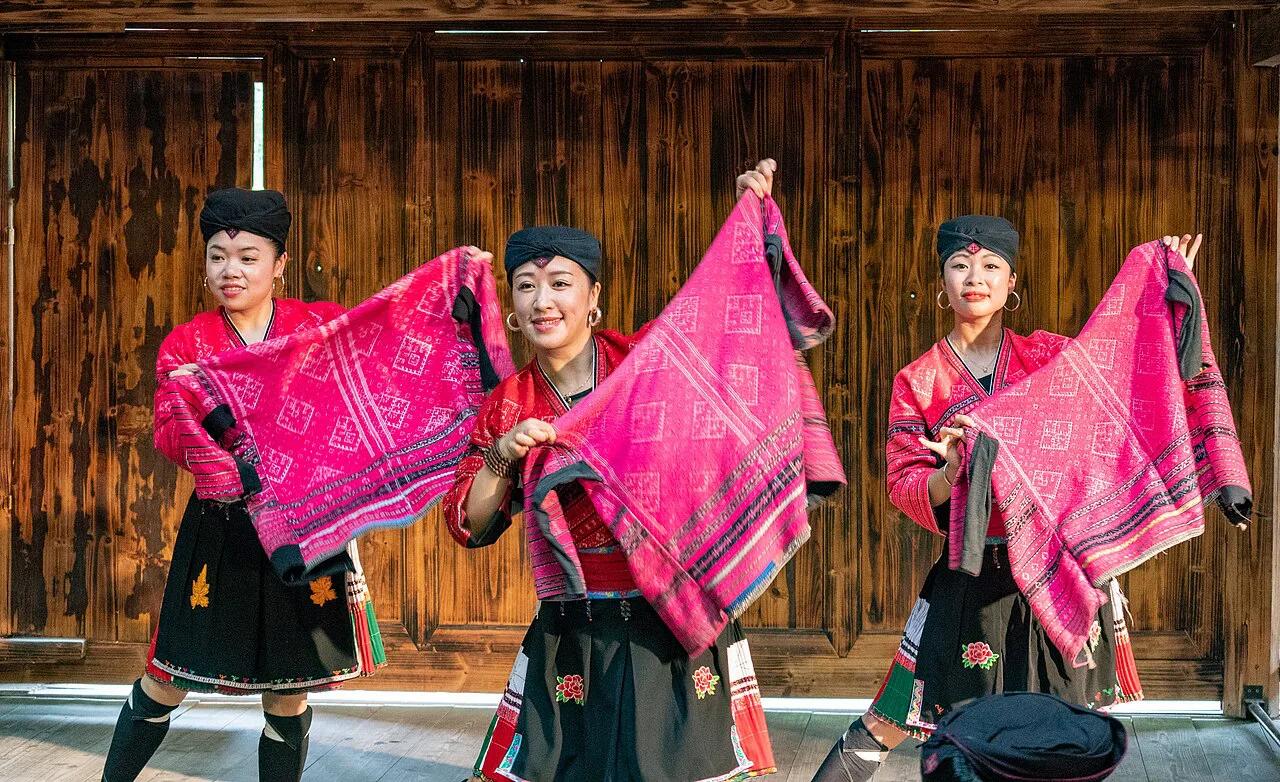
Dazhai holds its Clothes-Sunning Festival (晒衣节) every year, named for the sixth day of the sixth month. It showcases Red Yao clothes-sunning customs and traditional crafts. Travel listings place it around late June or early July, so get the current date and visitor arrangements before planning around it. A Huangluo village cultural visit may include staged long-hair performances, which differ from a seasonal festival. Ask residents before photographing them; some may request payment.
Does Your Choice of Village Change the Plan?
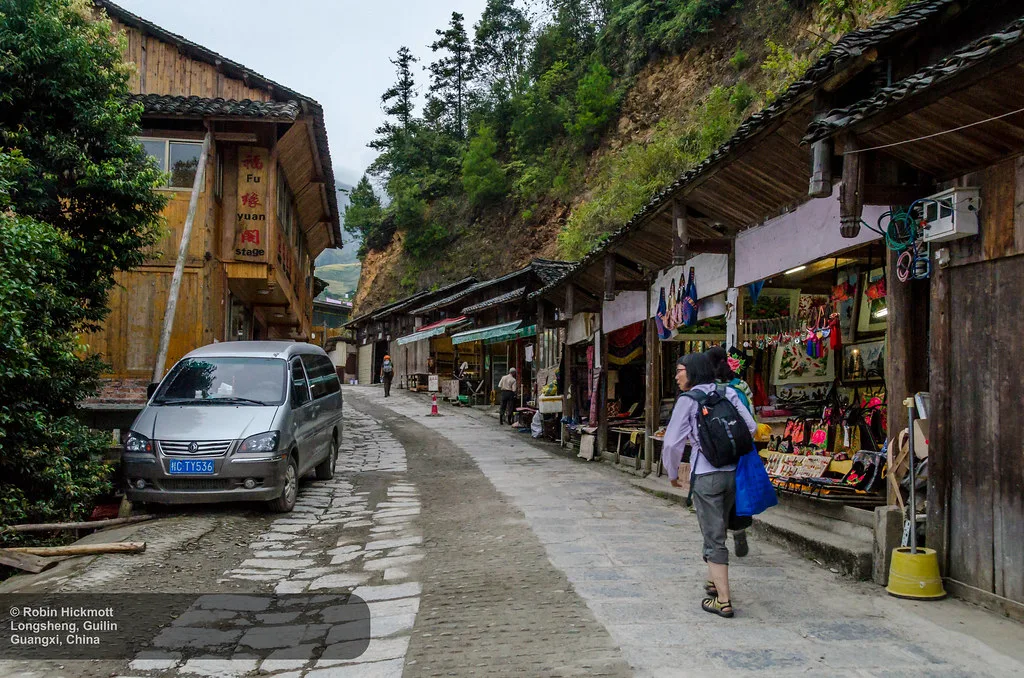
Pick your base by the viewpoints and walking you can manage. Neither Ping'an nor Dazhai is reliably less crowded, since accounts disagree. Do not assume they plant or harvest together, or that they have a direct connection. Parking is outside the villages, and reaching lodging can involve narrow paths and steps. Pack light and ask your host about porter availability. For broader orientation, see our Longsheng area guide.
Dazhai is about 1 hour from the ticket office, and the trip from downtown alone can take 1.5 hours, so a sunrise plan needs an overnight stay.
- Ping'an: Our Ping'an village guide helps with this Zhuang base. Its viewpoints include Nine Dragons and Five Tigers and Seven Stars Around the Moon. One estimate puts the drive at 40 minutes from the ticket office. Ask about steps; do not assume step-free access.
- Dazhai/Jinkeng: Dazhai village planning suits visitors considering the larger terrace area. Dazhai is in the scenic area's core. One estimate puts it about 1 hour from the ticket office. A cable car links the parking area with Golden Buddha Peak but does not remove all walking.
- Tiantouzhai: This overnight option near Dazhai is close to some viewpoints. Ask how you and your luggage will reach your exact lodging.
- Ancient Zhuang Village: One estimate puts it 20 minutes by road from the ticket office. Lodging choices are more limited. One century-old house and the museum exhibition hall are free to visit.
Day Trip or Overnight for Sunrise and Sunset?
The official site suggests 1 to 2 days for Longji. A day trip gives you one weather window, while 1 night can add evening and morning light. With 2 nights, you gain another weather buffer, though clear skies and cloud seas remain uncertain. Do not count on sunrise during an ordinary same-day round trip from Guilin. One estimate allows 1.5 hours from downtown to the ticket office alone, before the village transfer and walk. Other accounts put travel to the area at about 3 hours. Plan the Guilin-to-Longji transfer from your pickup point to your exact viewpoint.
Choose lodging for a named viewpoint, especially because advice differs on sunrise versus sunset at Thousand-Layer Terraces. From Tiantouzhai, Golden Buddha Peak can look close. One visitor reports at least 2 hours of walking there, with a similarly long return after dark. Arrange a safe return before a sunset outing, and ask for current cable car hours. A Dazhai-to-Ping'an hike is a separate commitment. Reports put it at 4 to 5 hours; one lists 17 km (11 mi), moderate. Check your route, onward transport and luggage plan, and consider a local guide where navigation is difficult.
What to Confirm Before You Book
Send your accommodation the dates you want and ask about its specific village. A reply describes conditions at that moment and cannot guarantee what you will see on arrival. If it cannot give a harvest or flooding schedule, keep your booking flexible where possible.
- Field photos: Request dated images showing water, planting, color or cutting progress.
- Harvest plan: Ask which area the expected date covers.
- Access: Ask about road disruption, cable car operation, steps and luggage help.
- Lodging: Make sure the property will be open and ask about meal service.
- Light: Match your viewpoint to sunrise or sunset and settle the return route.
- Mistakes to avoid: Do not reuse last year's dates or assume all slopes change together. Flooded fields do not guarantee clear views, and a sunset hike needs a safe way back.
Notes for your Guilin trip
Optional updates to our guides.
Also worth reading
Keep planning
More guides you'll find useful