Guilin Photography Guide: Best-Fit Spots, Light & Routes
Plan Guilin photography around Yangshuo, the Li River and Longji. Compare viewpoints, light, access effort, route trade-offs and when a guide may help.
Last updated November 2026: Guilin photography centers on karst river viewpoints, Li River rafts, Yulong River countryside, Longji rice terraces and city lights after dark. Choose by subject, light, access effort and spare days, keeping short trips around Yangshuo and treating Longji, in Longsheng, as a separate leg.
Featured image: Rod Waddington, CC BY-SA 2.0, via Flickr. Resized and converted to WebP.
Guilin Photography Locations: Which Should You Choose?
Start with the one picture you most want. For a high river-bend view, put Xianggong Hill first. For water level scenes and farmland, give your time to the Li and Yulong rivers. Add Longji only when terraces matter enough to justify another transfer. On foot-based days, compare Yangshuo walking routes with the weight of your camera bag in mind. Use the table's 5 choices to decide what to cut. Light targets are planning aims, so conditions can differ on your date.
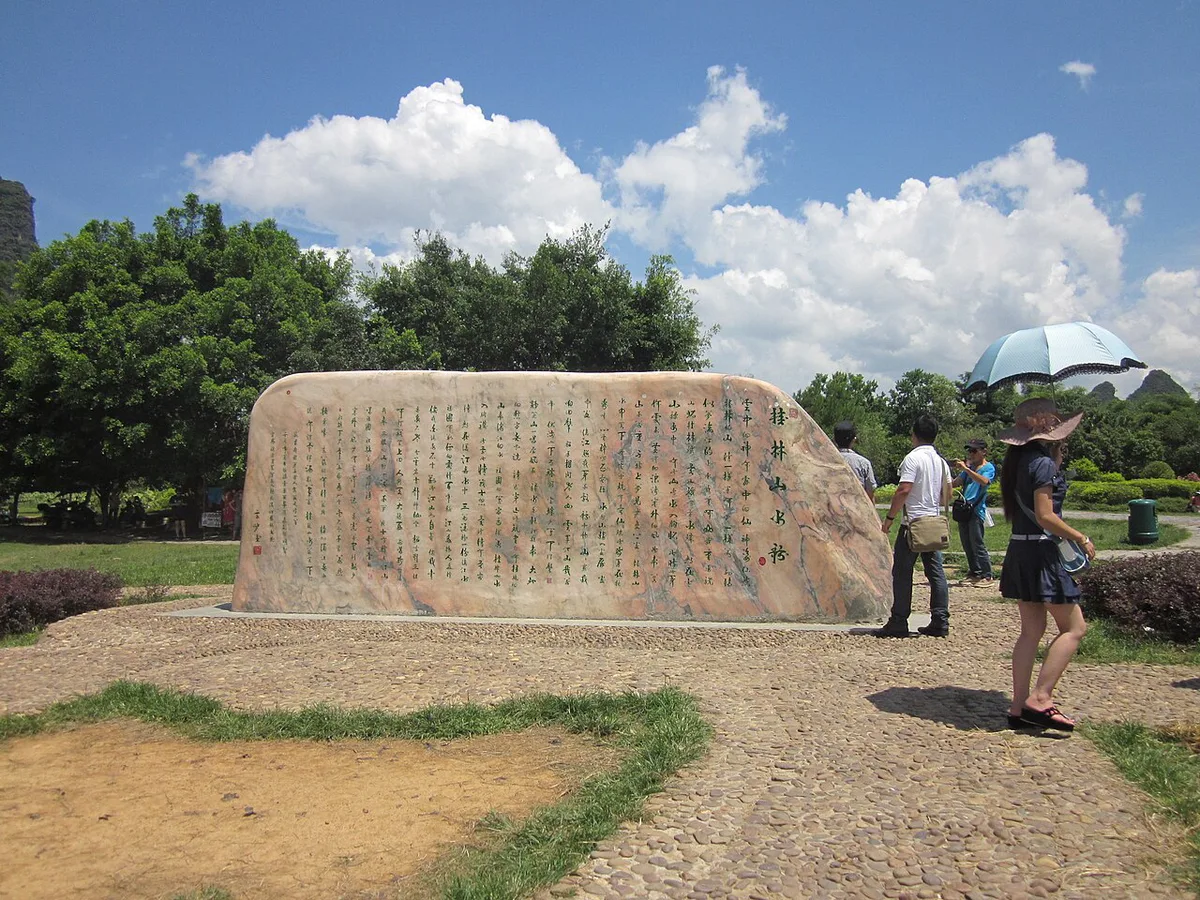
| Location | Subject | Light to target | Access effort | Main risk | Skip if |
|---|---|---|---|---|---|
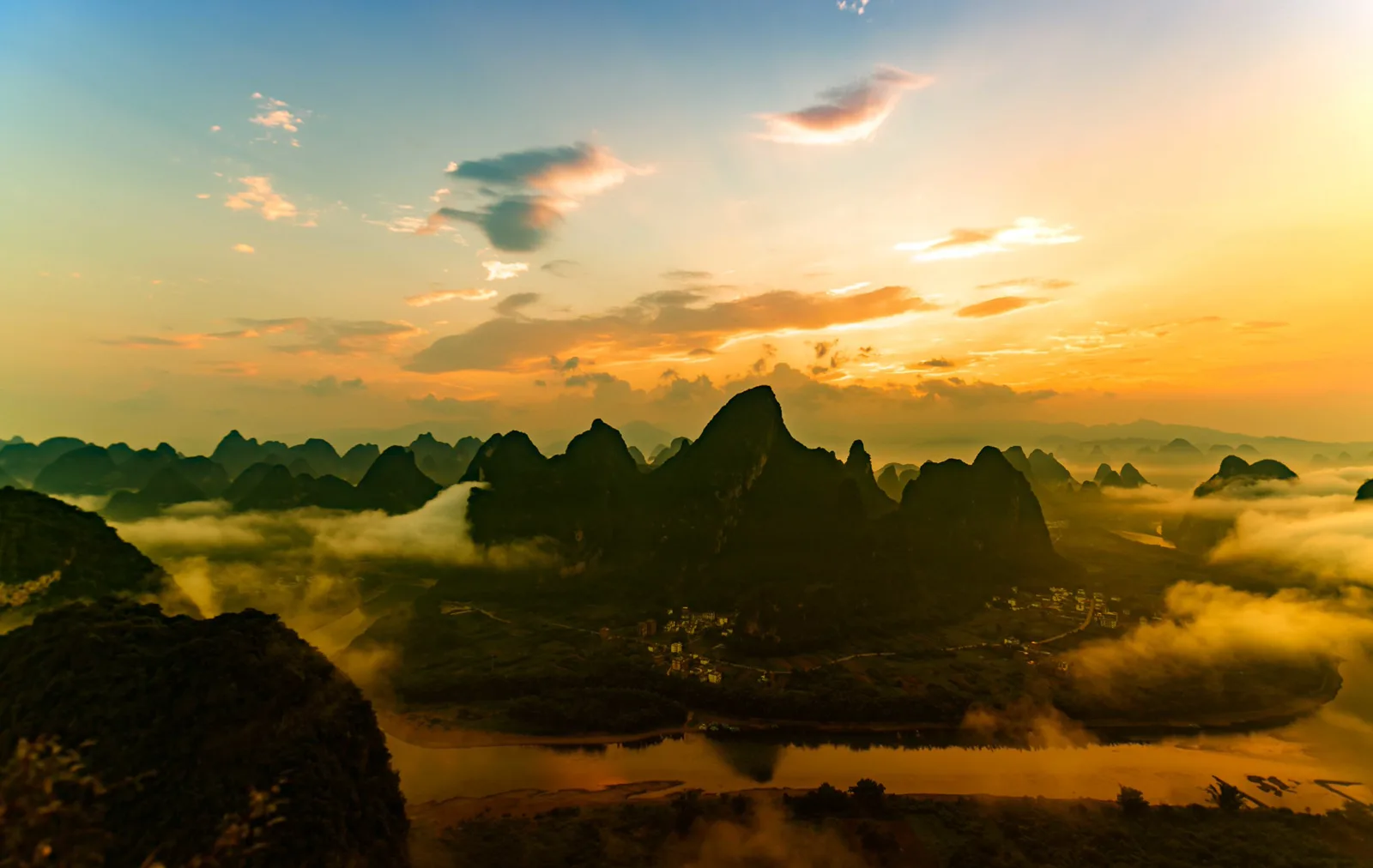
| Xianggong Hill | Li River bend from above | Sunrise | Early transfer and uphill walk | Cloud or fog hides the view | You can't manage an early climb |
| Li River | Karst peaks and rafts | Daytime | Depends on pier or shore position | Water or weather limits boating | You need to stop and recompose at will |
| Yulong River | Rafts, bridges, countryside | Late afternoon to sunset | Transfer to your chosen pier or bank | Flat light or raft disruption | Big elevated views are your priority |
| Longji Rice Terraces | Layered fields and villages | Sunrise or sunset | Separate leg with walking | Weather or an unwanted field stage | Your trip has room only for Yangshuo |
| Rong and Shan Lakes | Lit towers, bridges, reflections | Night | Evening walk in Guilin city | Rain or ripples weaken reflections | You won't be in Guilin after dark |
Yangshuo Sunrise and Sunset Photography: Where to Go
For sunrise around Yangshuo, make Xianggong Hill your priority if you want to look down on the Li River. For sunset, choose a Yulong riverbank with fields or farmhouses in the frame. This pairing gives you 2 different perspectives, but it doesn't mean both fit comfortably into one day. Our Xianggong viewpoint guide is the next read for the dawn option. Before booking, confirm its entry time, ticket, climb and early transport. Sunrise and sunset shift with the calendar. Look up both for your date, then work backward to allow for the ride, walk and setup.
- Sunrise: commit to 1 viewpoint and arrange the outbound ride the day before.
- Daytime: work on rafts, river details and countryside compositions.
- Sunset: pick a riverbank position where you can stand without entering crops.
- After sunset: settle your return ride and carry a light for dark paths.
Li River Viewpoints, Rafts and Xingping
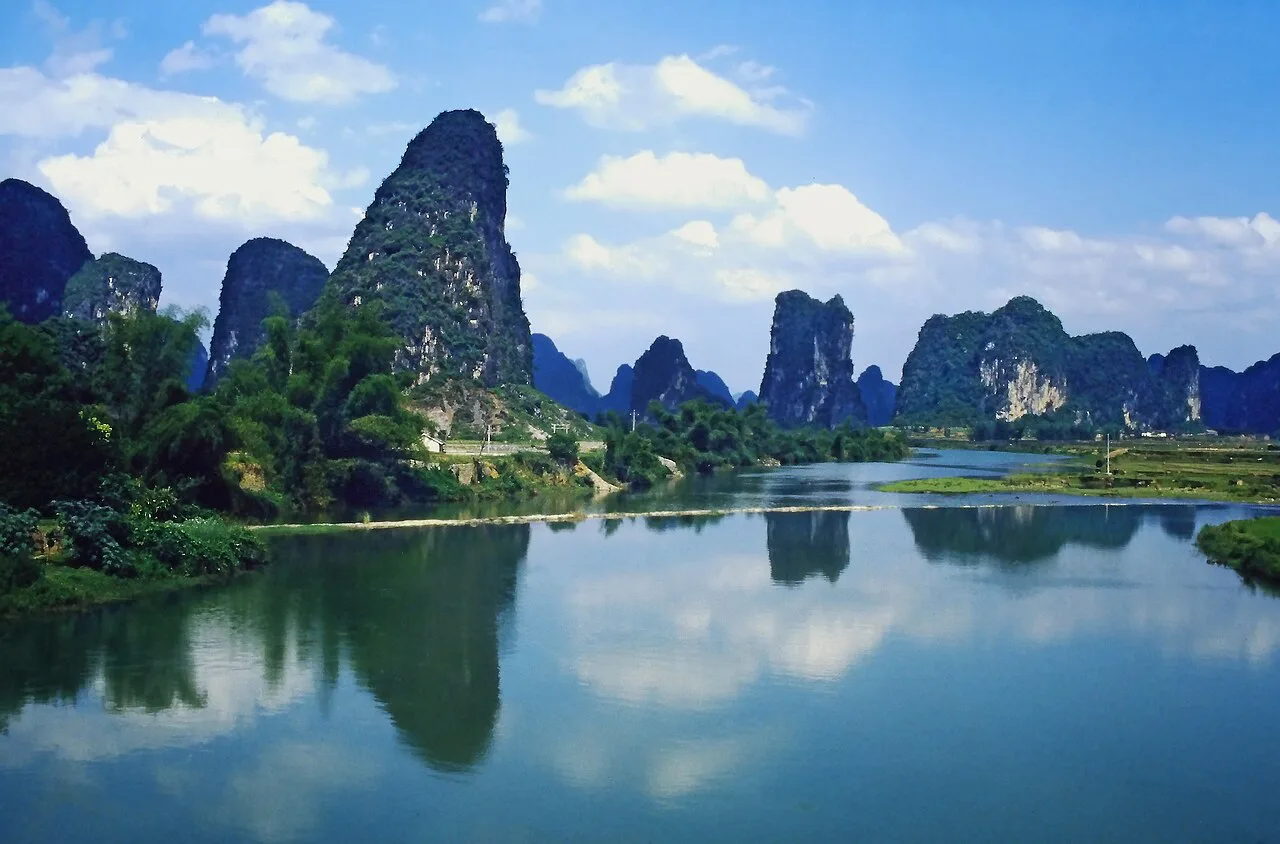
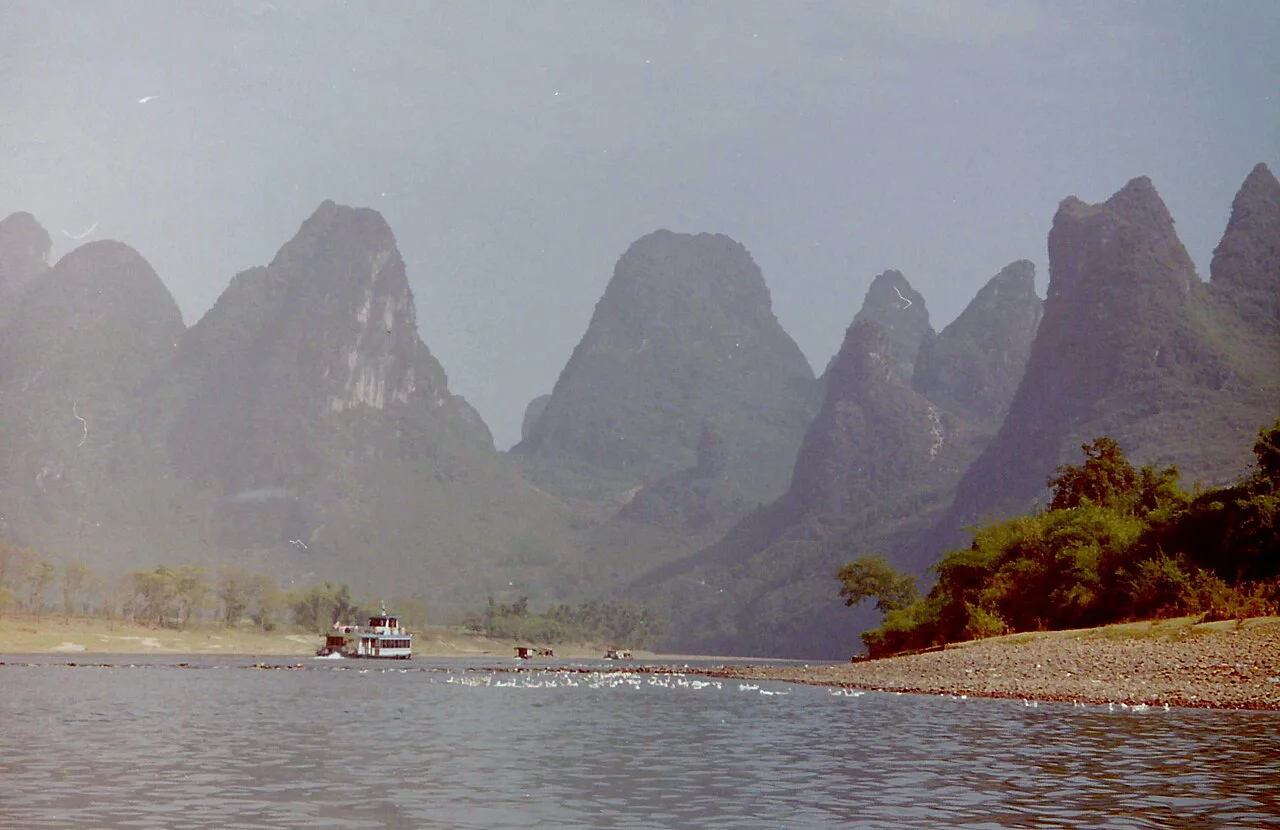
Decide whether you want to shoot from the water or photograph boats within the landscape. On board, expect to plan around movement, possible spray and little control over your position. From shore, you can usually spend more thought on framing, provided you have lawful access. One private tour itinerary uses a raft downstream from Yangdi Pier, passing Nine Horses Fresco Hill and Yellow Cloth Shoal. Check that route's current status before building a day around it. A Li River cruise is a different outing. According to the river's official site, its route runs about 38 miles (61 km). It starts at Mopanshan, also called Zhujiang Passenger Terminal, less than 19 miles (30 km) from downtown Guilin. It ends at Longtoushan, or Shuidongmen, Pier in Yangshuo County. Xingping, a town in that county, can also go on your location shortlist. Night images with fishing lights may be offered with a private raft. Ask whether the scene is arranged, whether night boating is permitted and what safety provisions apply. Label arranged or posed fisherman images honestly when you publish them.
Yulong River Countryside and Fuli Bridge
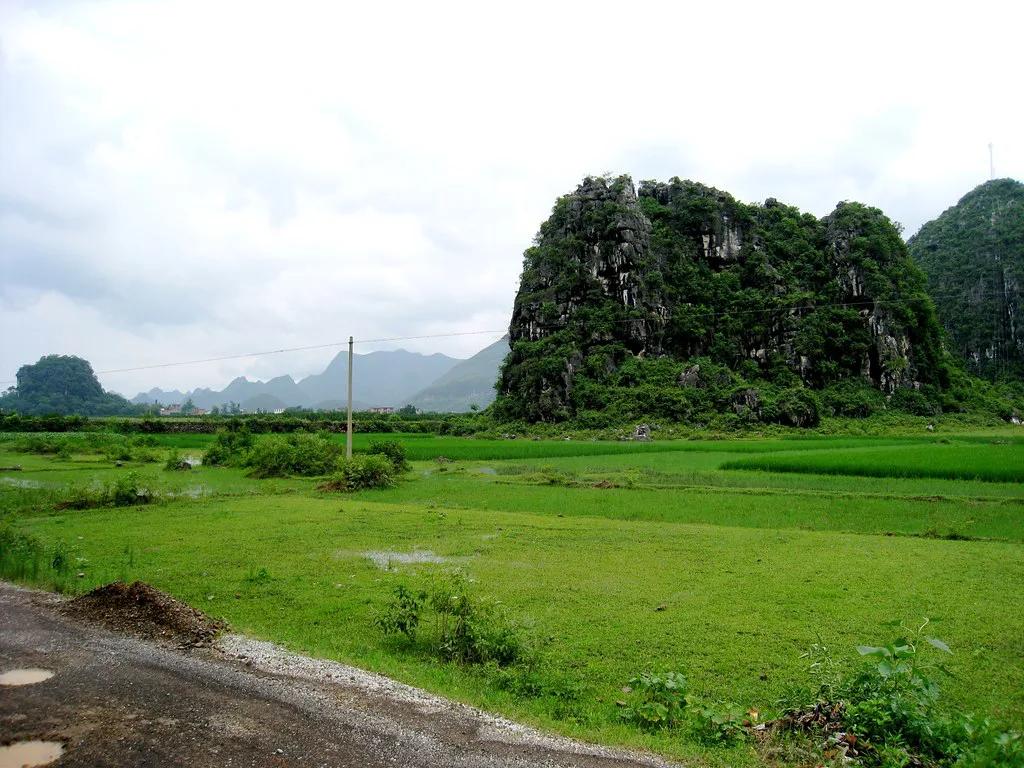
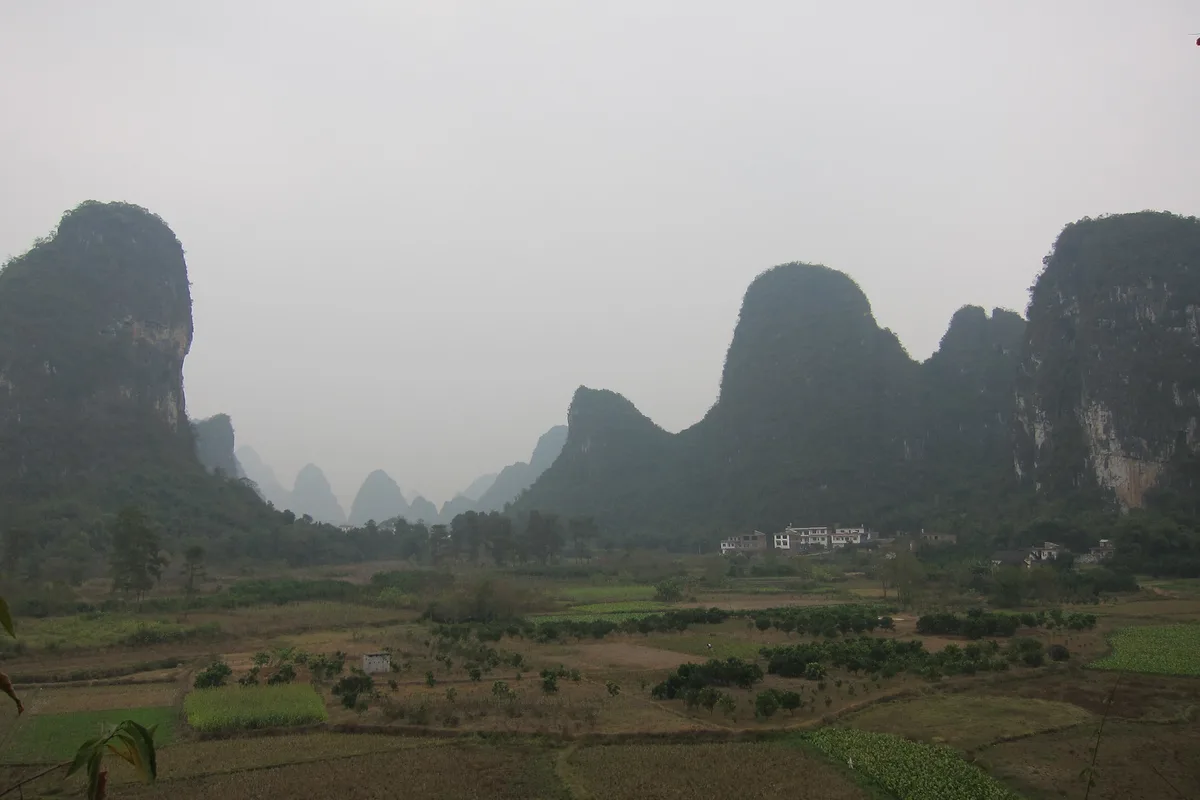
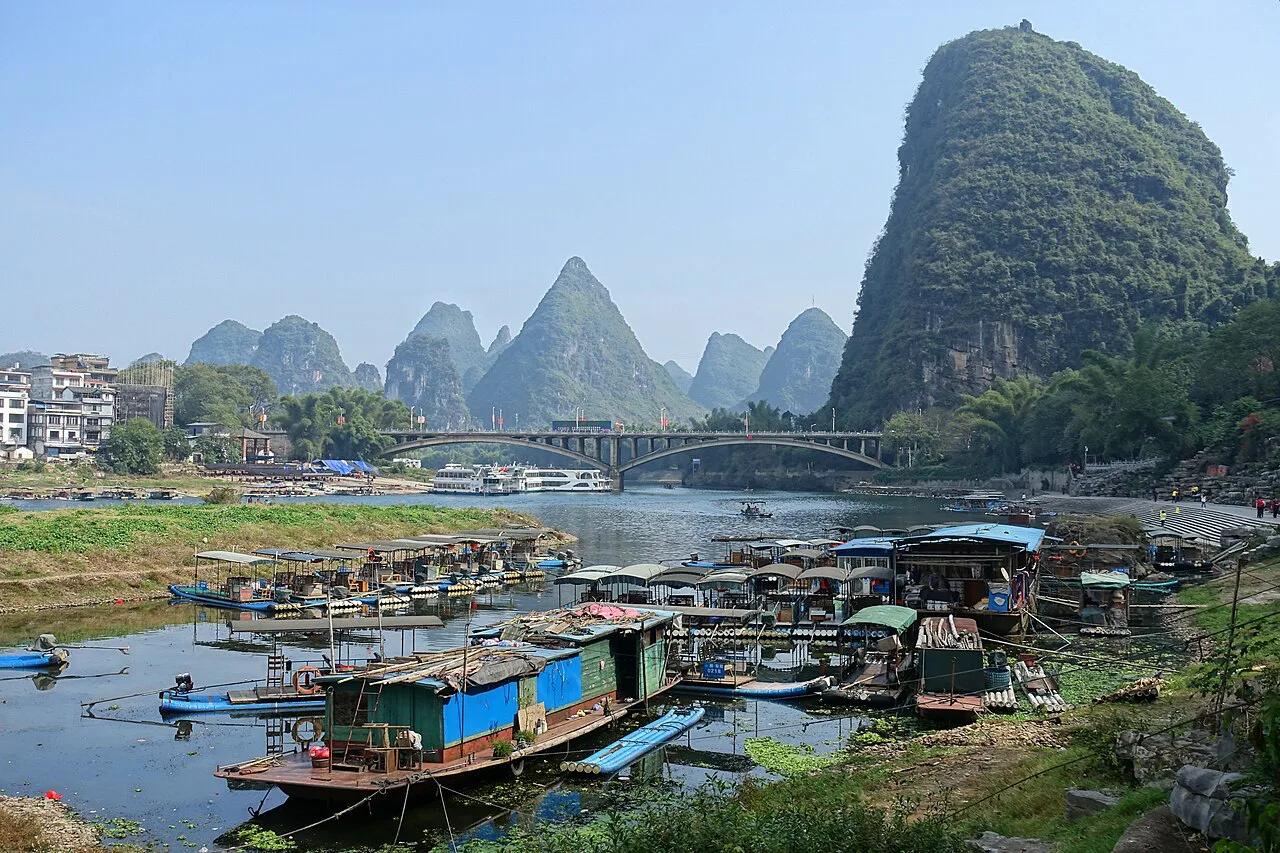
Choose the Yulong for a countryside session built around water, bridges and farmland. A raft gives you changing viewpoints, while the bank lets you wait for a cleaner composition. Farm activity varies, so don't make workers in the fields your only target. Fuli Bridge pier is on the upper river, south of Zhengfang Village in Baisha Town. It is about 7.5 miles (12 km) from Yangshuo county town, and its raft route returns to the same pier. If the old bridge is essential, ask which bank or raft position gives the angle you want. According to the Yulong River's official site, that route costs ¥70 per person, with a minimum charge for 3 and a limit of 4. It also lists ¥200 for a two-person raft carrying 2. Prices checked November 2026. Match the pier to your shooting plan before comparing fares, since some routes finish somewhere else.
- Miaoling Cave: ¥200 for 2 on a two-person raft or ¥300 for 3 on a three-person raft; one-way, about 2.2 miles (3.6 km), from Miaoling Mountain's foot to Beitouba pier.
- Jinlong Bridge: ¥320 per raft, ending at Jiuxian general pier; about 7.5 miles (12 km) from Yangshuo county town.
- Yulong Bridge: ¥180 per raft, round trip; about 7.5 miles (12 km) from the county town.
- Xinglong: ¥180 for 2 or ¥270 for 3, round trip; its pier is 3.7 miles (6 km) from the county town.
- Xiatang: ¥200 per raft, ending at Jima pier; starts 3.7 miles (6 km) from the county town.
- Jima: ¥320 per raft, ending beside Gongnong Bridge; starts about 3.1 miles (5 km) from the county town.
- Shui'edi: ¥200 per raft, ending beside Gongnong Bridge; starts about 3.7 miles (6 km) from the county town.
- Longcun: ¥180 per raft on the Jinbao River tributary; returns to Longcun pier after turning at Daba Bridge.
Is Longji Rice Terraces Worth Adding?
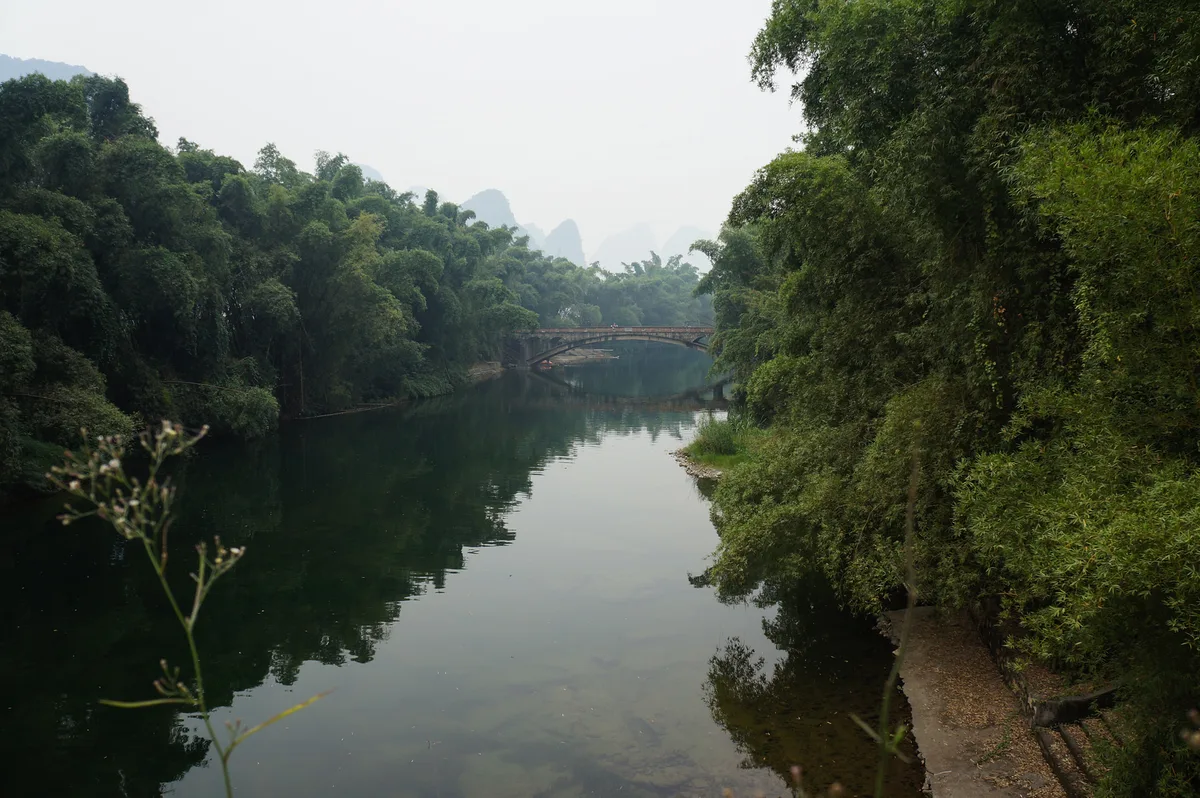
Add Longji if terraces are a main subject and you can give them their own travel block. Skip it when a brief stay would turn your Yangshuo sessions into transfers. One private tour allows a 2.5-hour drive from Guilin to Longsheng County. That figure doesn't cover a trip from Yangshuo or the final approach to a viewpoint. An overnight can make dawn and dusk easier to plan, but first settle lodging, luggage handling and the walk with your gear. Terraces change with planting and weather. Ask for dated recent photos before choosing a season, and don't count on water reflections, mist, golden fields, snow or stars. Zhuang and Yao villages are living communities. Ask permission for portraits, agree on any fee first and accept a refusal. Treat residents and their hair with respect, never as props.
Light, Season and Weather Backup
Plan by the 4 light periods: sunrise, daytime, sunset and night. Give your must-have scene the first suitable session, leaving a later slot free if your schedule permits. This buffer matters because mist can create layers or cover the view completely. Local weather and river notices should guide any final change. You can also look for city announcements on the Guilin municipal government website. At night around Rong and Shan Lakes, frame lit towers and bridges, with reflections when the water allows.
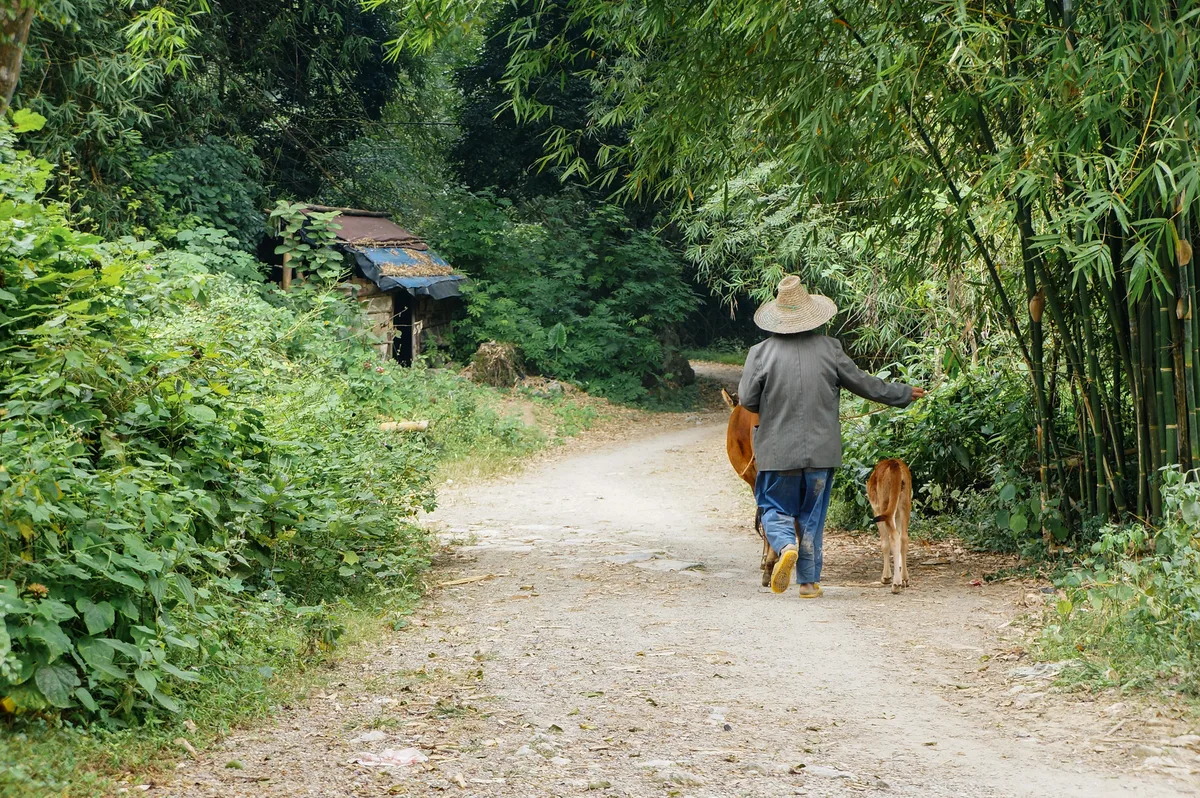
- Fog blocks a high view: wait only if access and your return plan allow, or move the viewpoint to another morning.
- Flat haze: switch to closer river, bridge and field details.
- Rain: protect your gear and avoid exposed or slippery positions.
- Heat: shorten walks, carry water and rest between the morning and evening sessions.
- High or low water: follow operator and local restrictions; drop the raft shot if service stops.
Routes and Where to Base Yourself
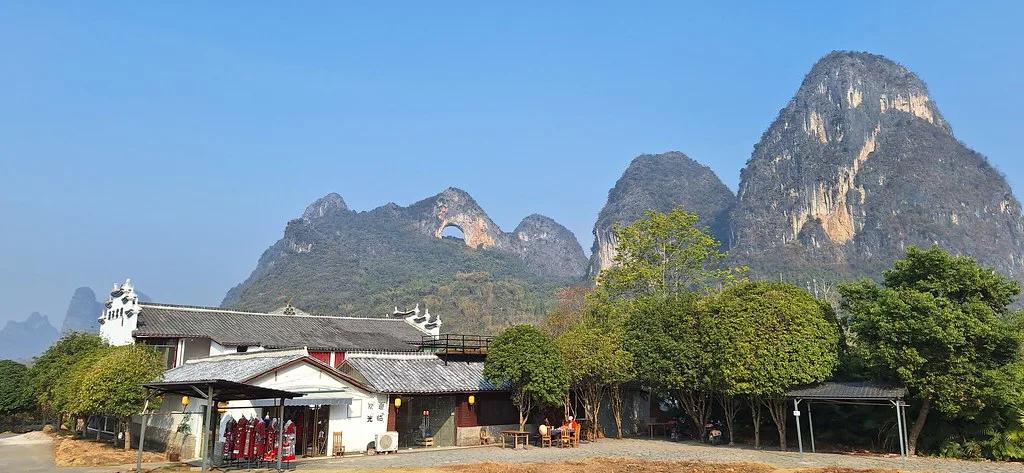
Use a priority order instead of stacking distant shoots against the clock. For 1 dawn, stay with Yangshuo-area subjects and decide between the high river view and a closer countryside morning. With 2 or more dawns, keep 1 as a weather buffer or add a second river session. On an extended trip, add Longji, then Guilin city after dark if it suits your direction of travel. For a base, compare Yangshuo town, Xingping, the Yulong riverside and a Longji overnight around your first shoot. Ask each lodging about pre-dawn pickup, evening transport and luggage access. For optional walks, read our Moon Hill visitor notes. You can compare it with the Ruyi Peak option. Another candidate is the TV Tower climb. Check access and light suitability before assigning any of them a sunrise or sunset. When planning time near town, review Yangshuo's town park as a possible stop.
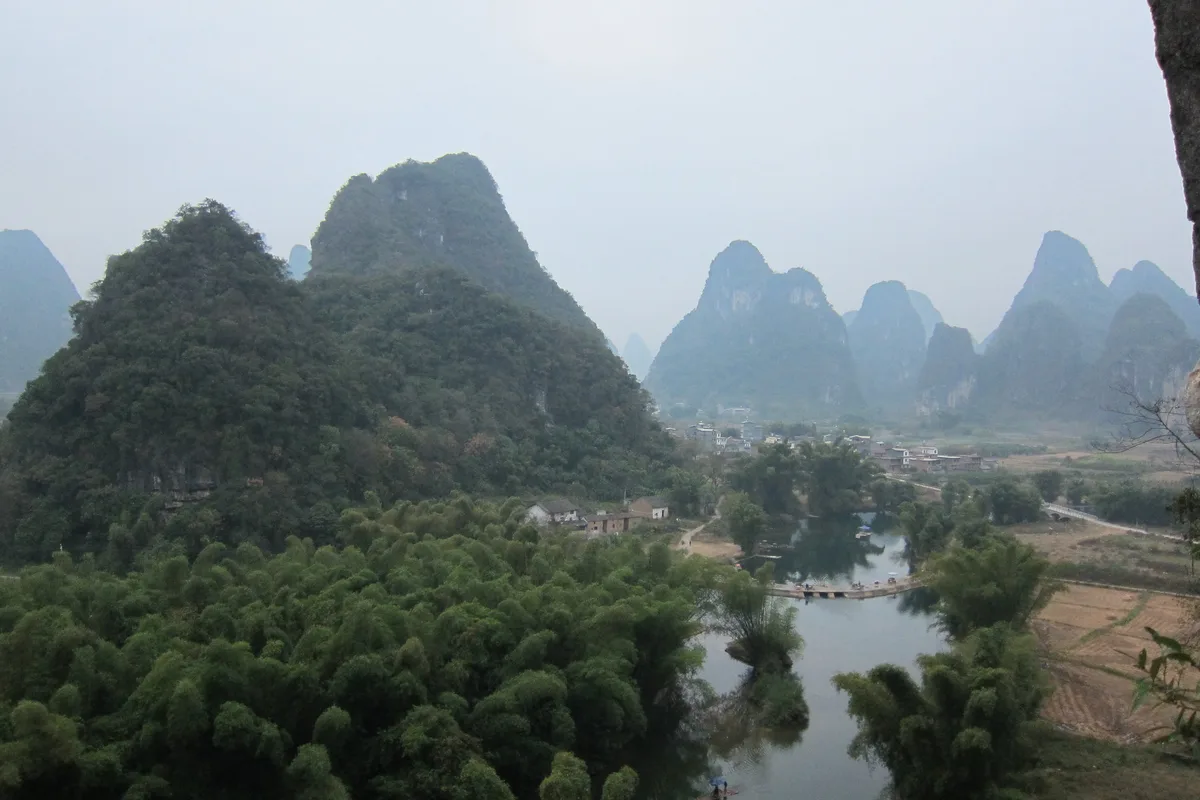
- Short stay: protect 1 priority dawn, then add a nearby evening scene if transport works.
- Longer Yangshuo stay: repeat the subject that depends most on weather.
- Extended Guilin trip: add Longji only after your Yangshuo priorities have enough room.
- First cut: remove the location that adds a transfer without adding a subject you need.
Guide, Driver or Independent Photography?
Pick a photography guide when location timing, translation or help arranging portraits matters to you. A driver solves transport, so don't assume shooting advice or interpreting is included. Independent planning works best if you can organize early rides and change course yourself. Tour and driver costs vary with the arrangement, so compare written inclusions for the same dates and stops. A 7-day private photo tour also isn't a template you need to copy for a shorter break. Before paying, ask about entry and raft fees, model fees, weather changes, cancellation terms, group size and hiking pace.
| Option | Early transport | Shooting and language help | Flexibility | Cost question |
|---|---|---|---|---|
| Photography guide | Confirm whether pickup is included | Agree on both services | Set weather-change rules | Which entries, rafts and model fees are included? |
| Driver | Agree on pickup and return | Do not assume either | Ask about waiting and route changes | Are waiting time, parking and extra stops included? |
| Independent | You arrange each ride | You research and communicate | You control the plan, subject to transport | What will rides, entries, rafts and lodging total? |
Gear, Etiquette and Mistakes to Avoid
As general photography advice, bring wide-to-telephoto coverage so you can handle broad scenes and distant details. Pack low-light support where permitted, protection from rain and humidity, spare power and a headlamp for dark walks. Ask about tripod limits at each site. For drones, read current Chinese registration rules, local no-fly zones and site restrictions before travel. Permission to carry a drone doesn't establish permission to fly it. Around people and farms, a good composition never gives you a right of access.
- Ask before taking close portraits and agree on any payment first.
- Stay out of crops, private property and restricted ground.
- Avoid planning 2 distant dawn locations for the same morning.
- Arrange the trip back before staying for sunset or night scenes.
- Don't rely on 1 weather-dependent morning if you can keep a spare.
Notes for your Guilin trip
Optional updates to our guides.
Also worth reading
Keep planning
More guides you'll find useful