20 Yuan Note View on the Li River: Where to See It
Find the Li River scene on China's 20 yuan note, weigh land and water viewing, and know what to check on access, timing and costs in Xingping.
Last updated November 2026: the 20 yuan note Li River (漓江) karst scene, shown on the back of China's banknote, is associated with the Xingping 兴坪 stretch of the river. If you searched for the Guilin 20 yuan view, head for Xingping in Yangshuo County, which Guilin administers. Settle your viewing spot, your route there and your way back before you set out.
Featured image: Kyle Taylor, Dream It. Do It., CC BY 2.0, via Flickr.
Where Is the 20 Yuan Note Li River View?
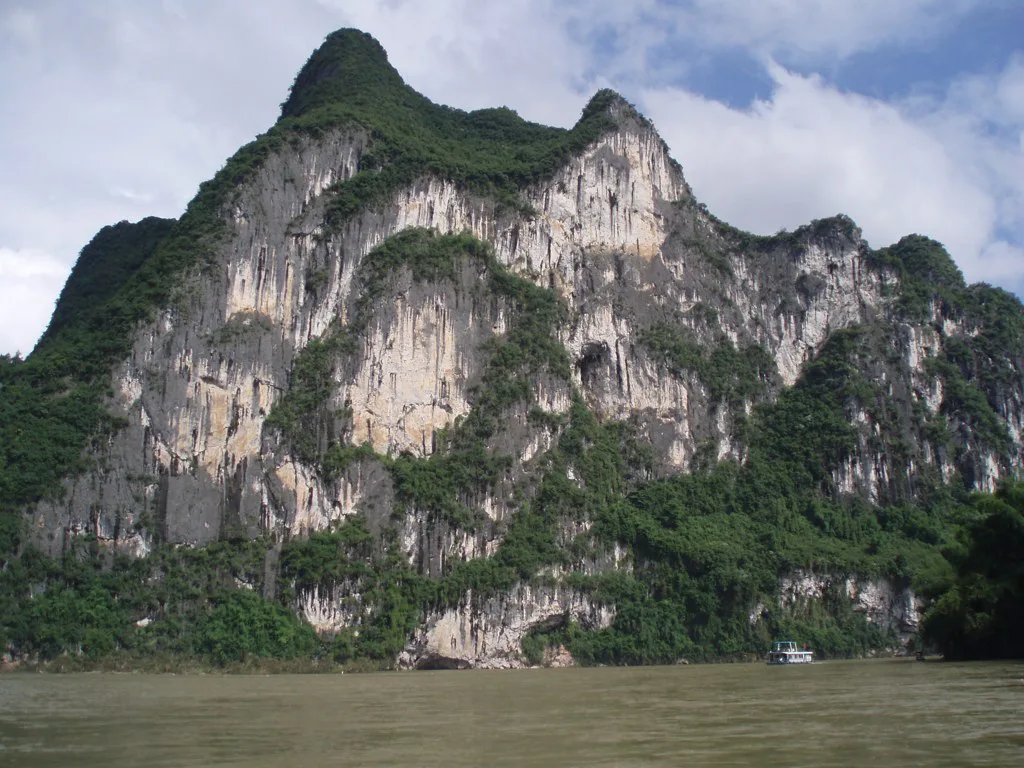
Think of the location in three layers: Xingping is the town, the Li River supplies the scene, and your viewpoint determines the angle. Arriving in town doesn't necessarily put that composition in front of you. For wider orientation, start with our Xingping town guide.
One lead is a DocentPro place listing called 20 Yuan Pattern Viewing Platform, with a Yangshuo County address. Treat that English label as a search lead rather than a confirmed official name. Before navigating there, match the map pin with local directions. Saving 兴坪 on your phone also helps you show the town name in Chinese.
What to Compare With the Banknote
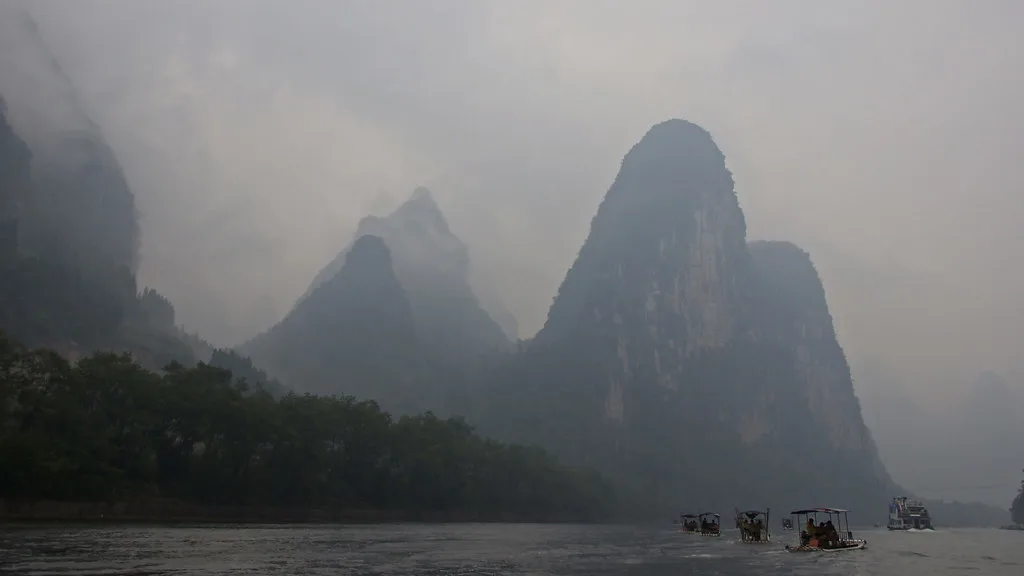
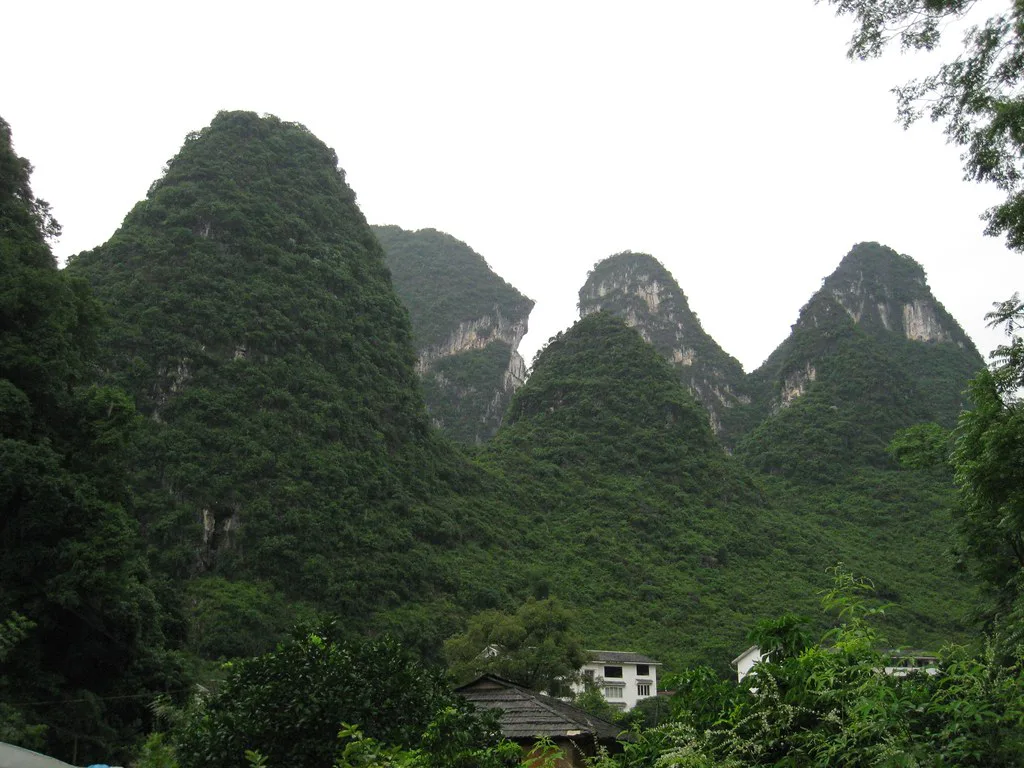
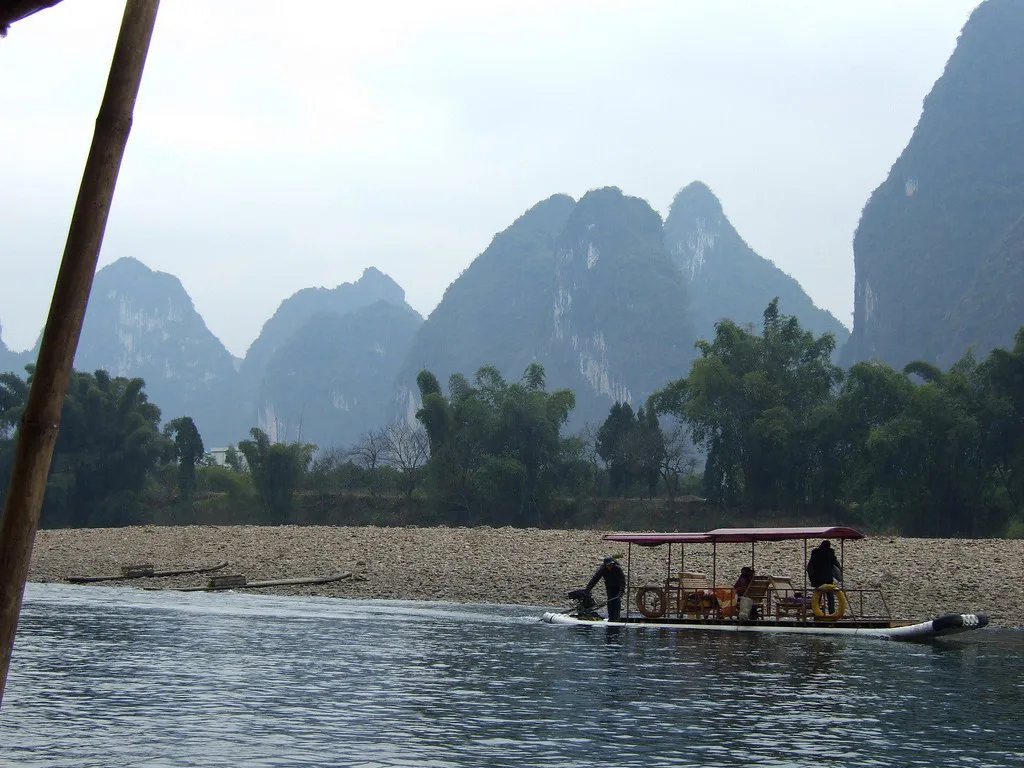
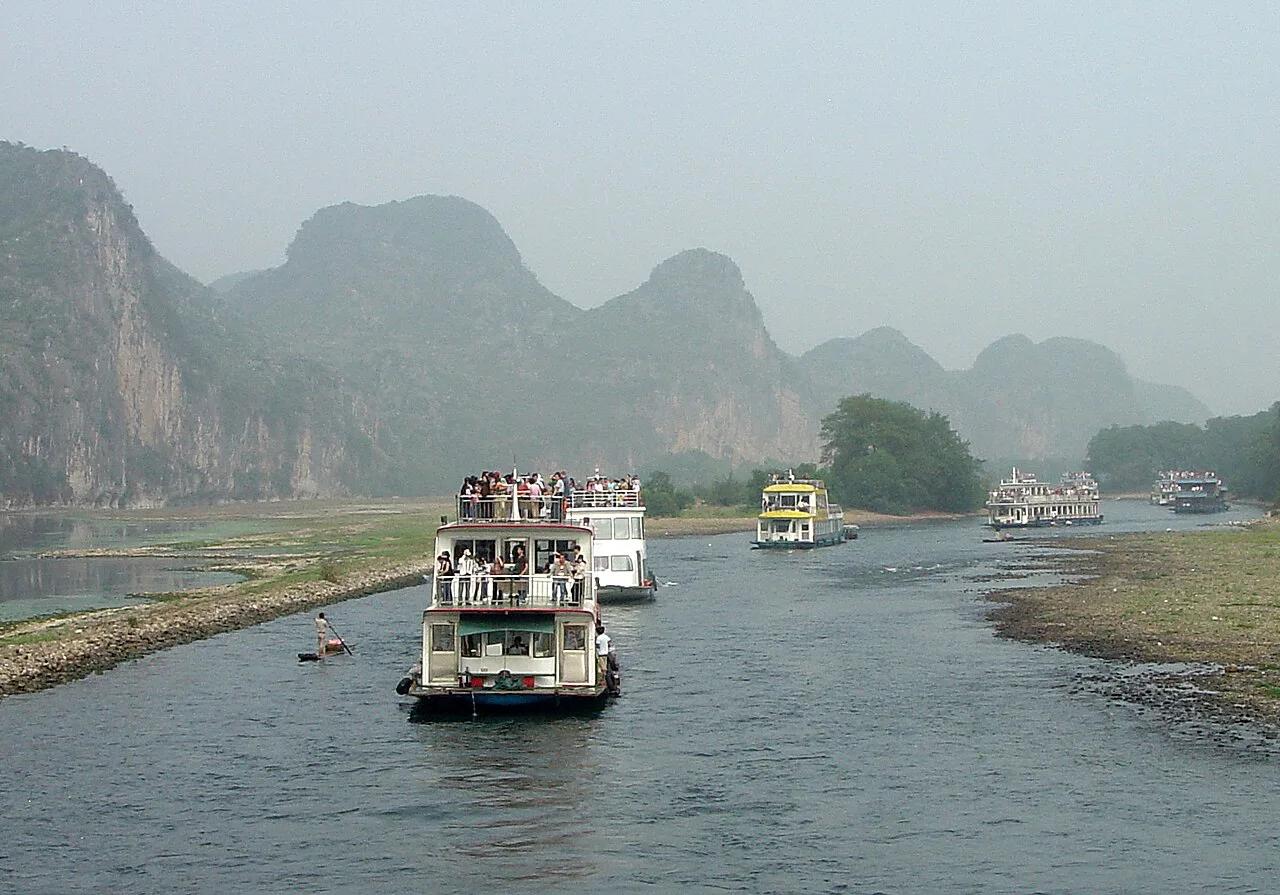
Bring the note's illustration into your comparison as a guide to shape. Its artwork includes karst mountains, water and a boat. Start with the mountain outlines, then see how they sit in relation to the river. Treat any passing boat as a changing detail.
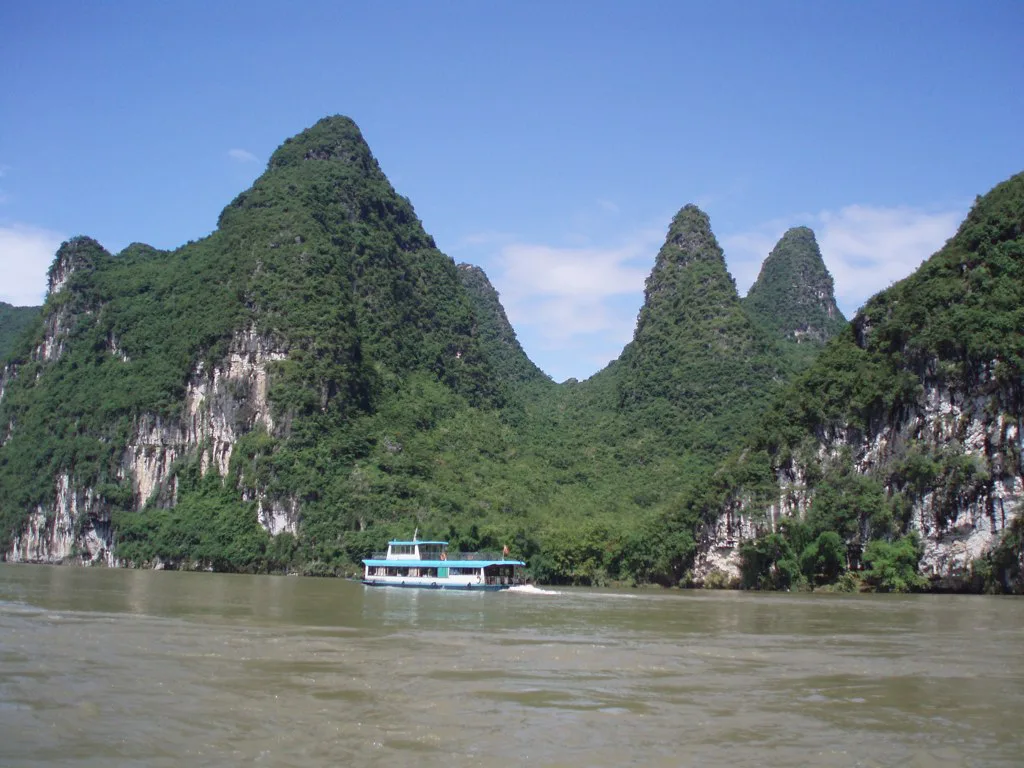
Expect a drawing and a living landscape to differ. As a practical framing step, compare the whole arrangement before zooming in on a single peak. If the shapes don't line up, check that you're at the intended spot and facing the right way.
- Ridgeline: compare the order and outline of the peaks.
- River: notice where water sits within your frame.
- Foreground: check what blocks or crowds the lower part of the view.
- Boat: enjoy it if one appears, but judge the match by the landscape.
Can You See It From Land or Water?
A land viewpoint and a river ride are separate ideas to investigate. DocentPro's listing points to a viewing platform, while its review summary also mentions boats and bamboo rafts. That doesn't establish which current service passes the scene, stops for photos or lets passengers get off.
Don't assume every Li River cruise or raft trip includes this view. Before buying a ride, ask the licensed operator to show its route and boarding point. For a photo-focused visit, prioritize an option with a clearly explained viewing stop. If time on the river matters more, make sure the route actually includes the banknote scene.
- Land: ask about the walking route, steps, surface, entry rules and opening hours.
- Boat or cruise: ask whether it passes the scene and which side or deck gives you a view.
- Bamboo raft: ask where it boards, where it finishes and whether photo stops are included.
- Limited mobility: get details of the full approach, boarding method and return before paying.
How to Get to the Viewpoint
Door-to-viewpoint fares and journey times aren't established here. For any rail leg, use the China Railway 12306 site, then arrange the onward trip separately.
- From within Xingping: look up the viewpoint pin, walking access and any transport needed for the last leg.
- From Yangshuo: use our Yangshuo transfer guide to plan the town-to-town leg.
- From Guilin: plan the full route to Xingping, including every change and your final drop-off.
- Before leaving: arrange your return and ask where you need to board.
- For river transport: check the departure pier, arrival point and whether the service stops at the view.
When to Go and How to Photograph It
No single hour or season is established as the best choice. One rail booking can't tell you what the river will look like, so plan the view separately. An Alamy contributor's photo, dated 2 August 2015, is captioned as an early-morning summer scene in Xingping with a calm river. It shows one occasion, not typical conditions.
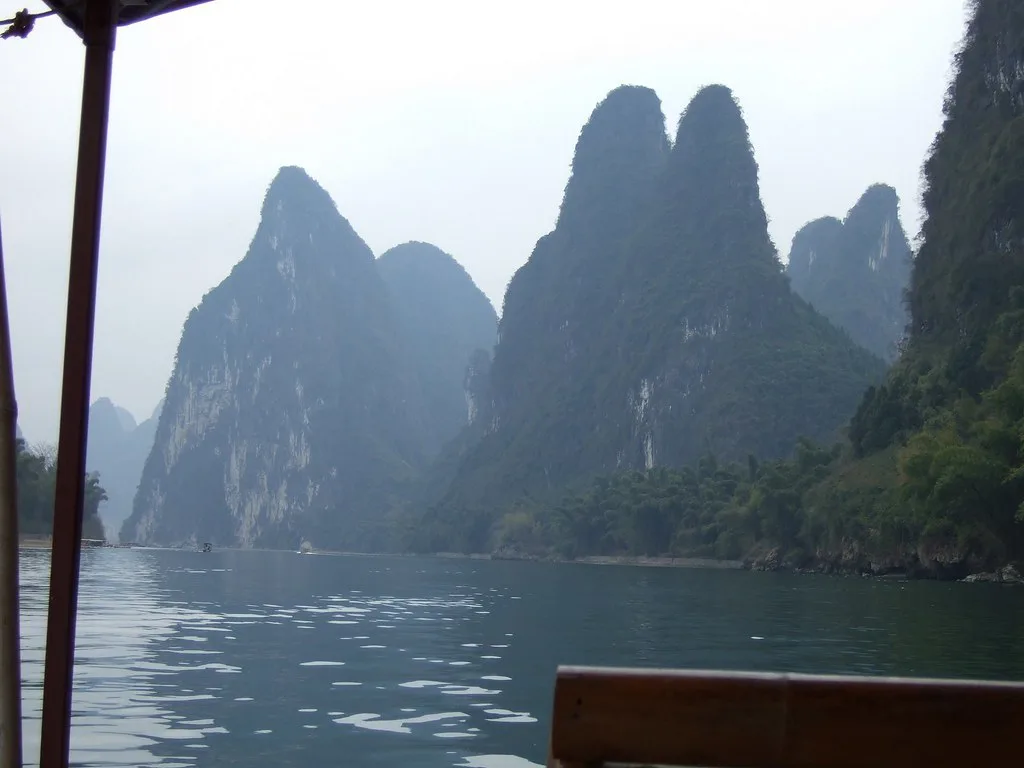
For your own photo, leave room for both the peaks and water. Take a wide frame first, then try a tighter composition around the mountain outlines. Rain, fog, water levels, heat and holiday crowds are sensible things to consider when choosing your day. Ask your operator whether current conditions affect service or access.
Time, Costs and Access Checks
Current viewpoint fees, ride fares, hours and visit times aren't confirmed here. Ask the site or licensed ride operator, and use the Guilin government website as a starting point for official city information.
Rail legs run through the 12306 site, while door-to-viewpoint fares aren't confirmed, so budget the last leg and return separately.
- Entry: ask whether your exact viewpoint requires a ticket.
- Ride: get the full fare, route, boarding point and finishing point.
- Transport: budget separately for the trip to Xingping, the last leg and your return.
- Booking: ask about advance reservations and identification requirements.
- Timing: ask about opening hours, the last ride and your return connection.
- Terrain: ask about steps, uneven ground and boarding access.
- Disruption: check weather, water-related suspensions and temporary closures.

Is the Banknote View Worth the Trip?
Go if matching a familiar banknote with its associated river scenery is something you'd enjoy. A short stop makes particular sense when Xingping already fits your route. From farther away, make the journey only when you're comfortable with the complete round trip and the chance of a less-than-exact match.
Skip a dedicated detour if you have little spare time or can't confirm access that suits your mobility. To build a wider visit, consider Xingping's fishing village as a separate planning stop. You can also research a visit to Laozhai Hill for another viewpoint idea. Don't treat it as a substitute for the banknote composition.
Still deciding on a base? Our guide to choosing Yangshuo or Xingping can help with that separate choice. Your decision rule is simple: go when your starting point, available time and access needs support both legs of the journey.
Frequently Asked Questions
Why is the Li River famous?
Its karst mountain and river scenery is a major visual draw. Around Xingping, that landscape also has a familiar connection with the scene on China's 20-yuan banknote.
Notes for your Guilin trip
Optional updates to our guides.
Also worth reading
Keep planning
More guides you'll find useful