Guangxi Minorities: 6 Places to Compare for Your Trip
Compare 6 places for learning about Guangxi minorities, with Zhuang, Yao, Dong and Miao options, ticket prices, museum hours and respectful visit tips.
Last updated November 2026: among Guangxi minorities, the Zhuang are the largest group, followed in rounded Wikipedia figures by Yao, Miao, Dong, Mulao and Maonan. Those 6 are not a complete list, and Guangxi is officially the Guangxi Zhuang Autonomous Region. Your practical choice is between Longji's terrace villages, Dong settlements in Sanjiang, Miao festival country in Rongshui and a free Nanning museum.
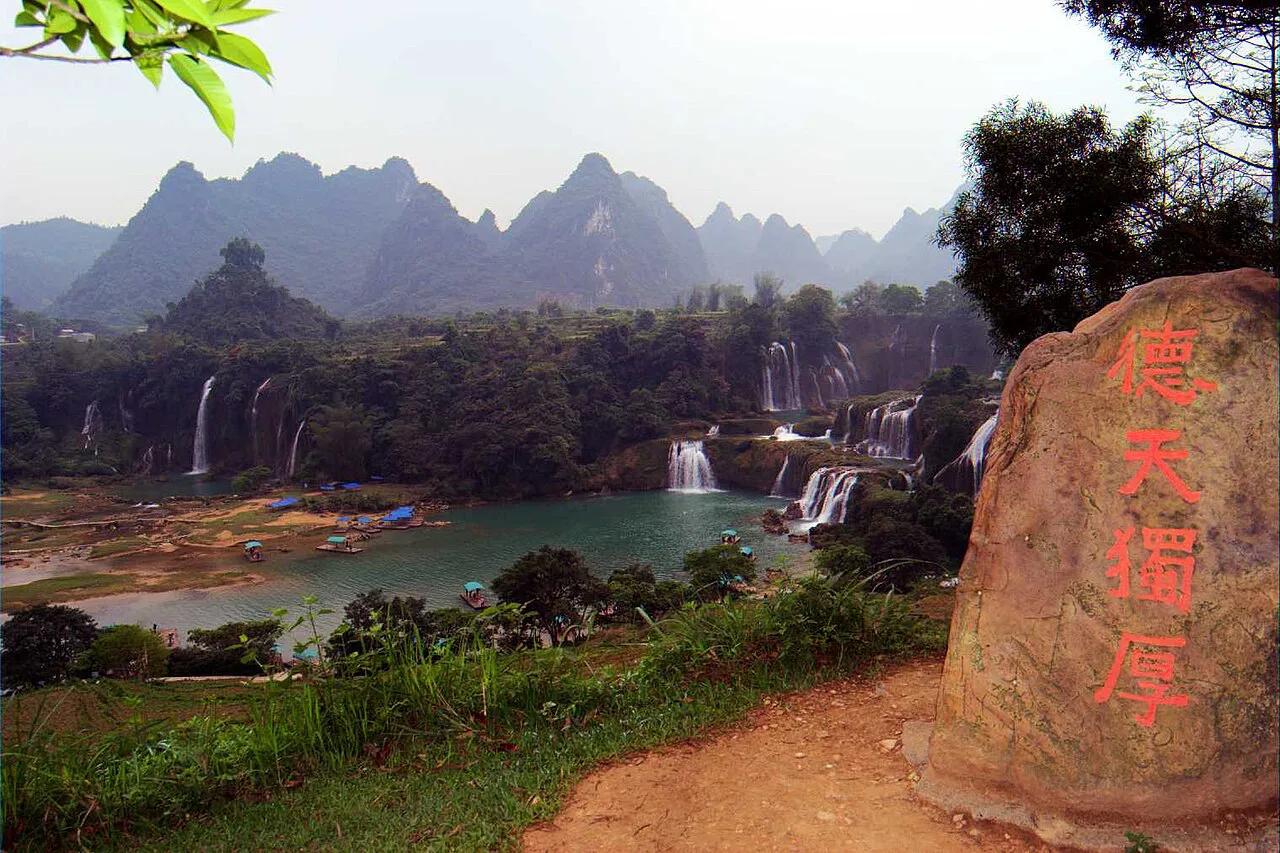
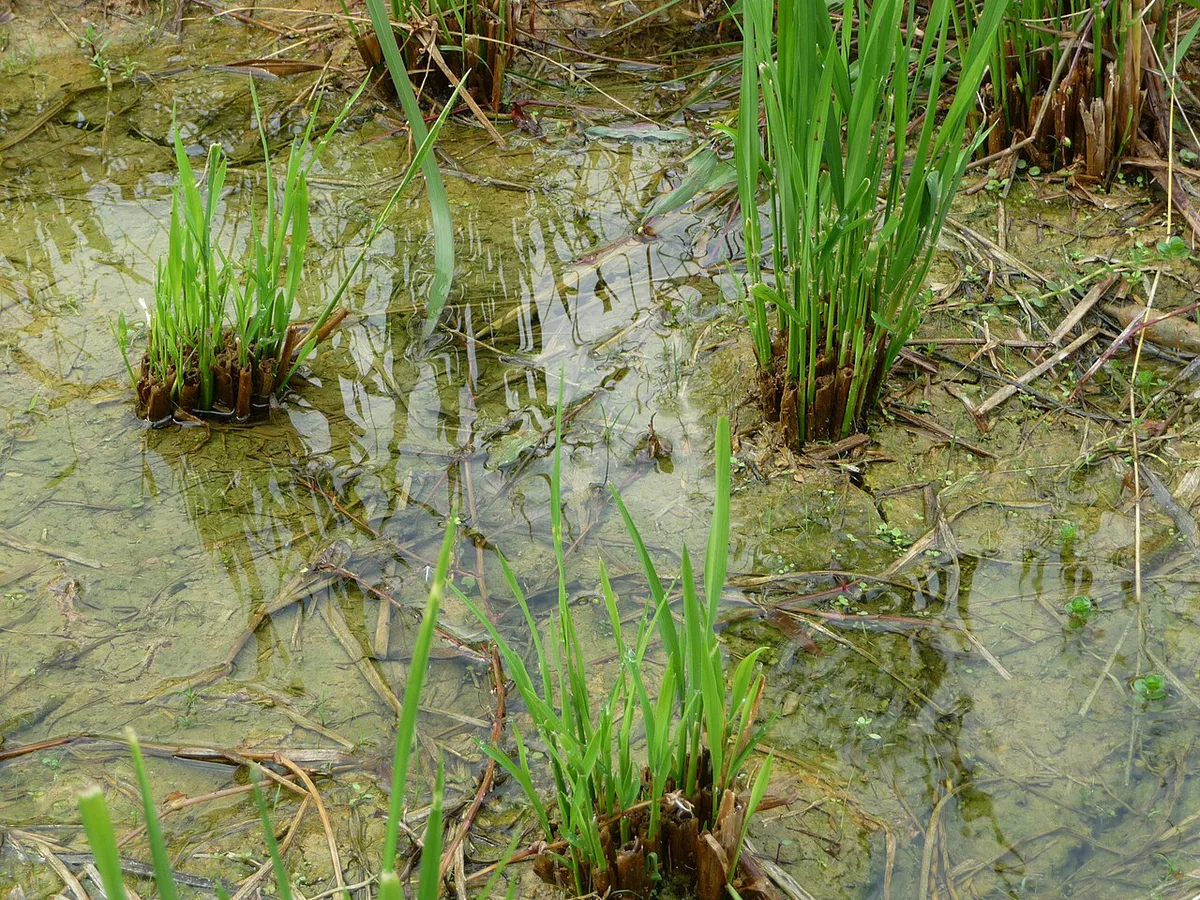
Featured image: Rutger van der Maar, CC BY 2.0, via Wikimedia Commons. Resized and converted to WebP.
Guangxi's Ethnic Groups at a Glance
Wikipedia's rounded breakdown puts Zhuang at about 31% of Guangxi's population, Yao at 3% and Miao at 1%. It lists Dong at 0.7%, Mulao at 0.4% and Maonan at 0.2%, while Han account for about 62%. No clear data year is attached, so read these as approximate shares rather than a current census count. Population order says nothing about which culture is richer or which place makes a better visit.
- Zhuang: start with Zhuang people and culture, then consider Longji Ancient Zhuang Village or Ping'an 平安.
- Yao: read our guide to the Yao people before choosing Huangluo 黄洛 or Dazhai 大寨.
- Miao: our page on Miao communities in Guangxi adds background to a Rongshui plan.
- Dong: explore Dong people and culture alongside a Sanjiang visit.
- Mulao and Maonan: this guide covers their population shares only. It does not recommend a visitor site for either group.
6 Places to Understand Guangxi Minorities
Prices and hours checked November 2026. Longji and Chengyang suit village-based trips, Rongshui works around a calendar, and Nanning offers an indoor city option. These entries follow group and trip style, not a quality ranking.
1. Longji Ancient Zhuang Village 龙脊古壮寨 and Ping'an 平安: Zhuang
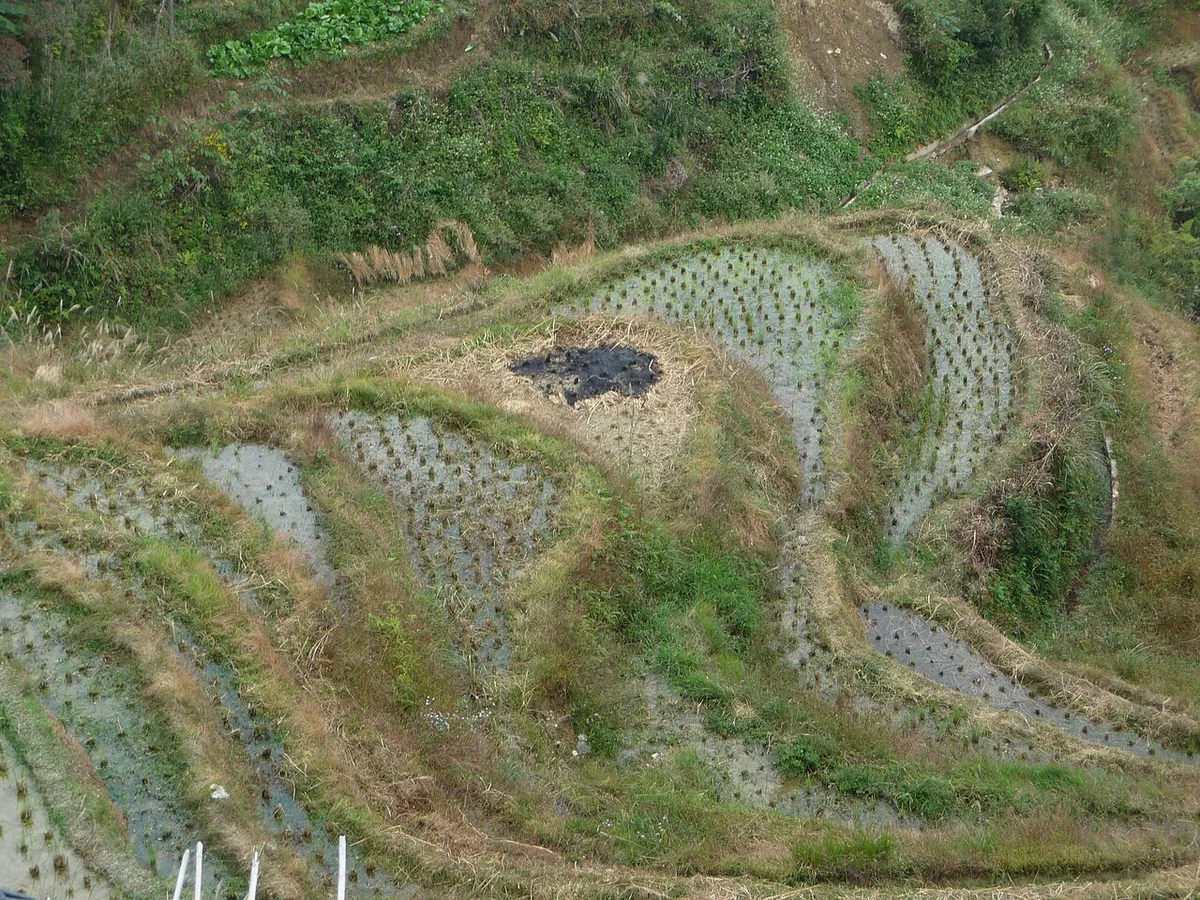
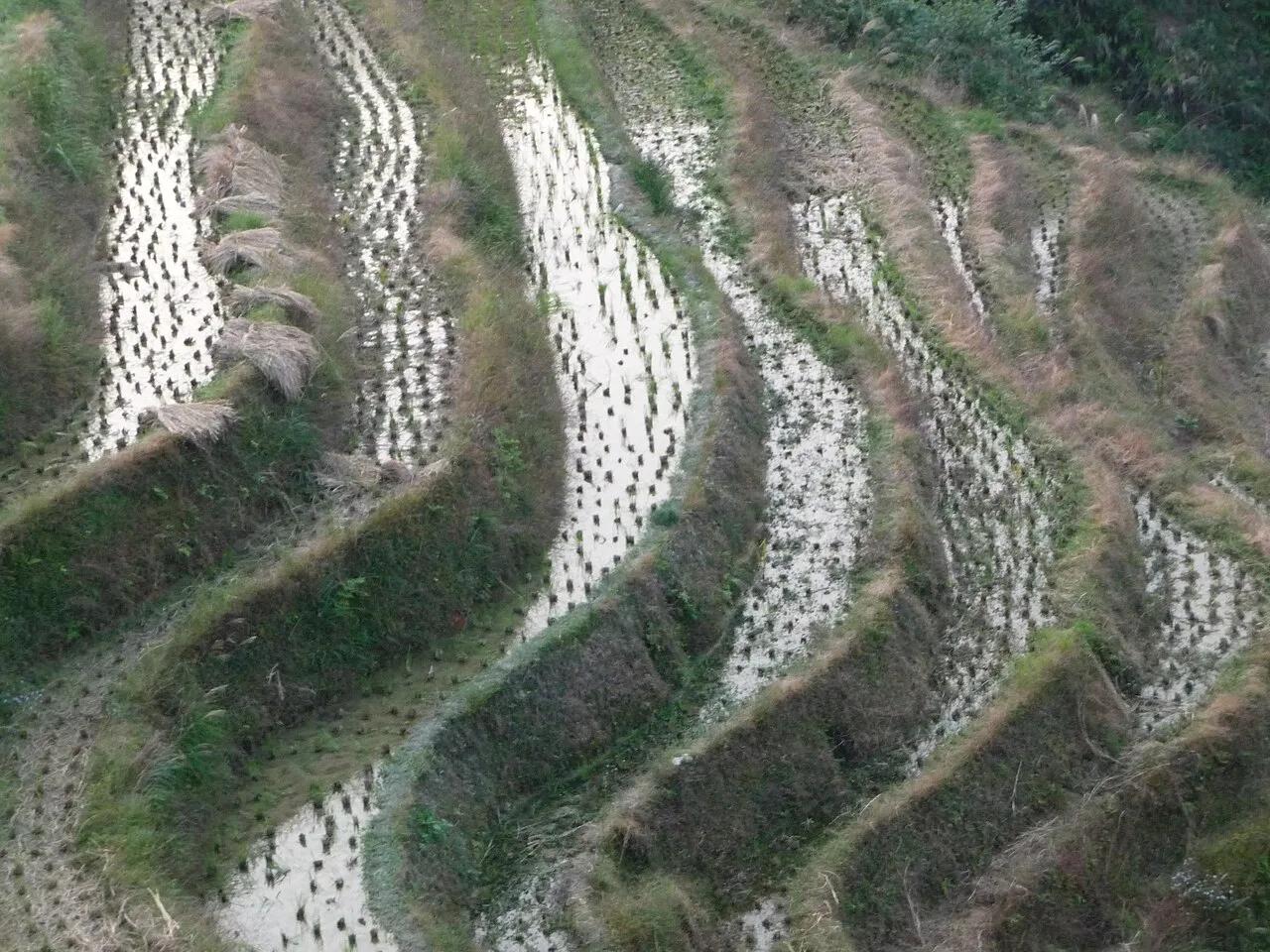
Choose this pairing if you want Zhuang places within a rice-terrace trip, with Longji Ancient Zhuang Village as your clearest cultural stop. In its terrace area, 1 century-old house and a museum exhibition hall are open free, so make time for both. A full adult ticket for the Longji Rice Terraces scenic area costs ¥80, and that area includes the old village's terrace viewing area.
Longji Rice Terraces are 77 km from Guilin city proper, are open all day and merit a suggested 1-2 days. Treat Ping'an 平安 as a separate village choice and confirm its ticket coverage and road access before booking a room. Skip this option if your priority is Dong or Miao culture.
2. Huangluo Yao Village 黄洛: Yao
Huangluo is a named Yao village and one of the main sightseeing items in the Longji scenic area's ticket notes. Its song and dance show is the specific experience to consider, at ¥80 per person. That fee is listed separately from the ¥80 full adult scenic-area ticket, so budget ¥160 if you are a full-price adult buying both.
A staged program is a different thing from ordinary village life, so enjoy it as a performance and keep your camera away from private homes. Ask your host or guide how performers are paid and which times the show runs. Skip the show if you would rather spend your money and time on an unstaged village walk.
3. Dazhai 大寨 in Longsheng: a Yao-Focused Terrace Choice
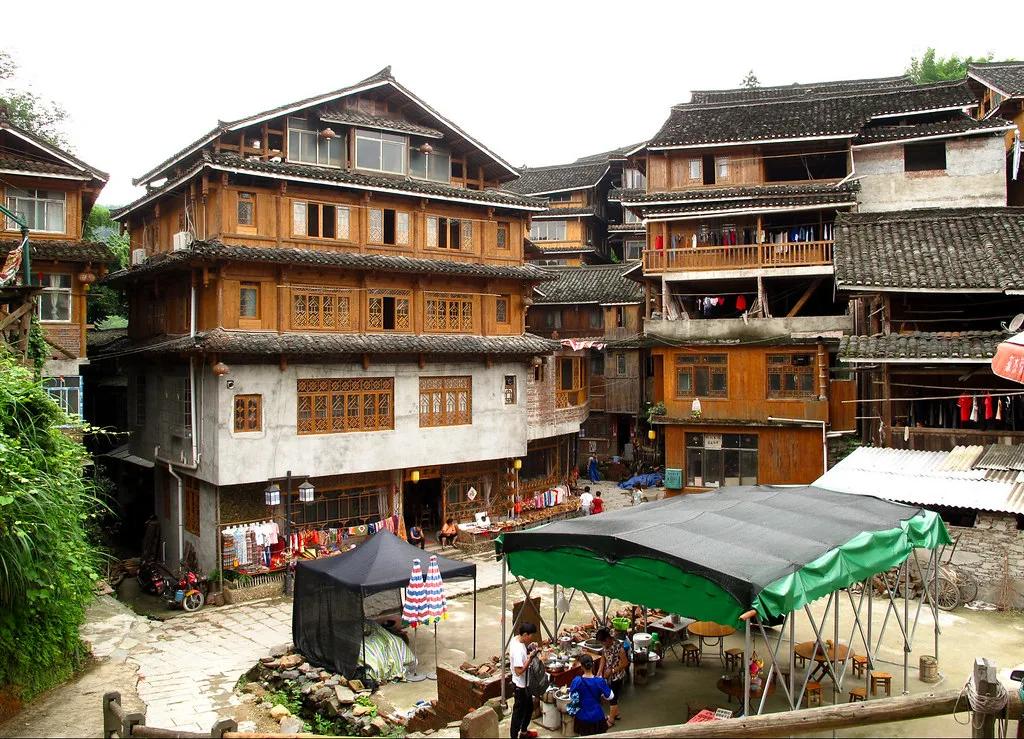
Dazhai Village is in Longsheng Various Nationalities Autonomous County, part of Guilin, and works as a second Yao-focused choice beside Huangluo. Consider it when you want your cultural reading to sit within a longer terrace stay, then ask your lodging which local walks welcome visitors. Confirm the entry fee, final road leg, luggage route and number of steps to your room before you reserve.
Keep its name distinct from Chengyang Dazhai, which belongs to the Dong area in Sanjiang. Use the full Chinese address when arranging transport so your driver does not mix up the 2. Skip an overnight here if you need step-free access that your host cannot confirm.
4. Chengyang Eight Villages 程阳八寨: Dong
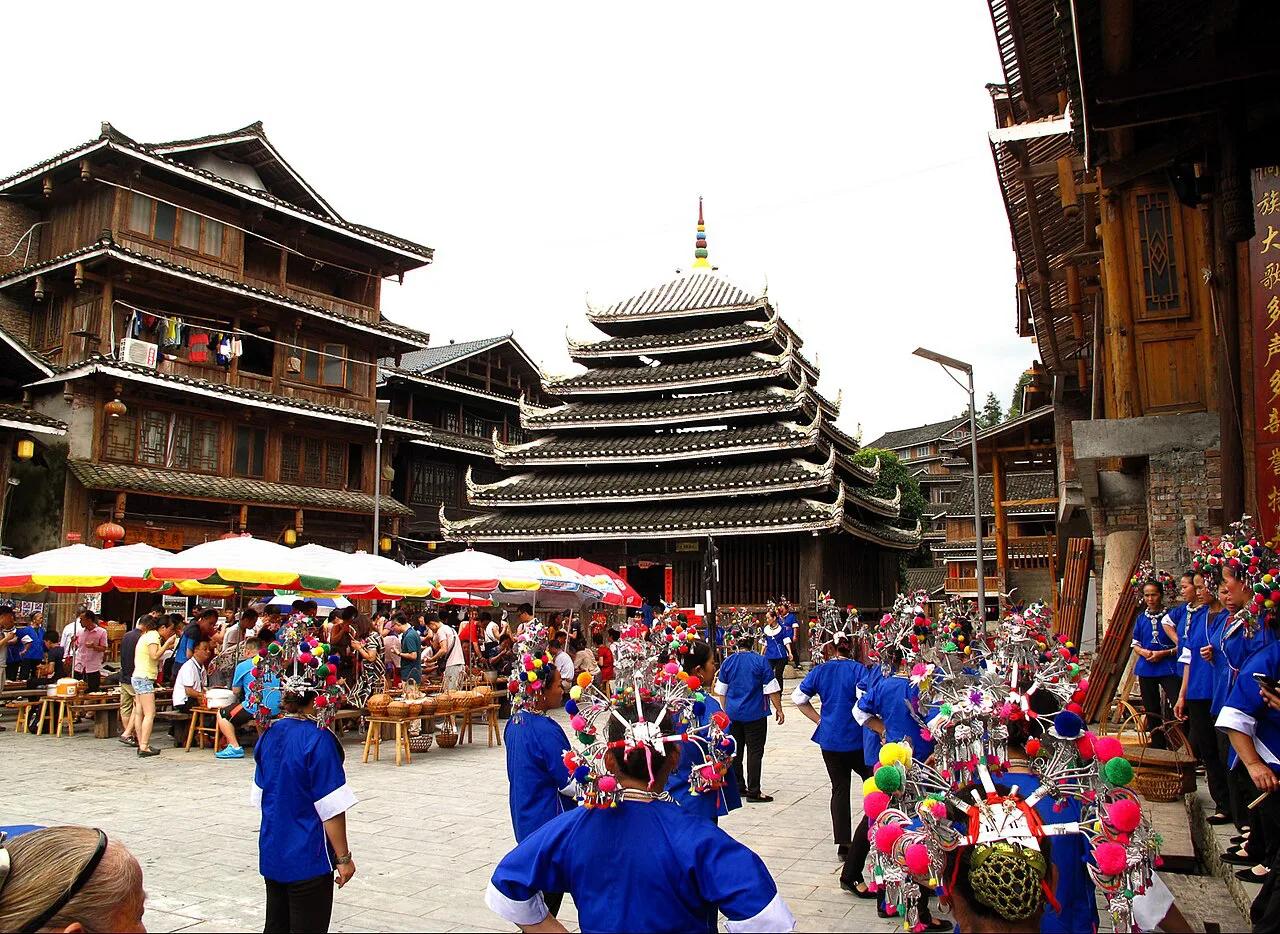
For a Dong village visit with a defined walk, Chengyang is the strongest fit on this list in our editorial assessment. Walk from Chengyang Bridge and Ma'an village at the main gate to Chengyang Dazhai in about 2-3 hours; the bridge stands downstream of Ma'an. A simple visit takes about half a day, while many people stay overnight and spend 1-2 days.
This area in Sanjiang Dong Autonomous County is open all day year-round, about 19 km from the county seat, Guyi Town. Admission is ¥60, a rate published on a page dated 2016, and holiday or peak-season visitors can often pay to join a midday Hundred-Family Banquet in Chengyang Dazhai. Skip it if you only have time for a stop near Guilin.
5. Rongshui Miao Autonomous County: Miao Festivals
Rongshui is the Miao choice for travelers who can shape a trip around a festival date. This county in northern Guangxi is 108 km from Liuzhou city, and the Zhicheng–Liuzhou Railway passes through it. Do not book a rail ticket on that fact alone: choose your exact station, village and onward ride together.
Its calendar includes the Miao Antai Lusheng Festival on the 13th day of the 1st lunar month. Confirm the venue and that year's program with local organizers or your host before committing to transport. Skip a date-led visit if your travel days are fixed or you cannot absorb a long transfer.
6. Guangxi Museum of Nationalities, Nanning: City Option
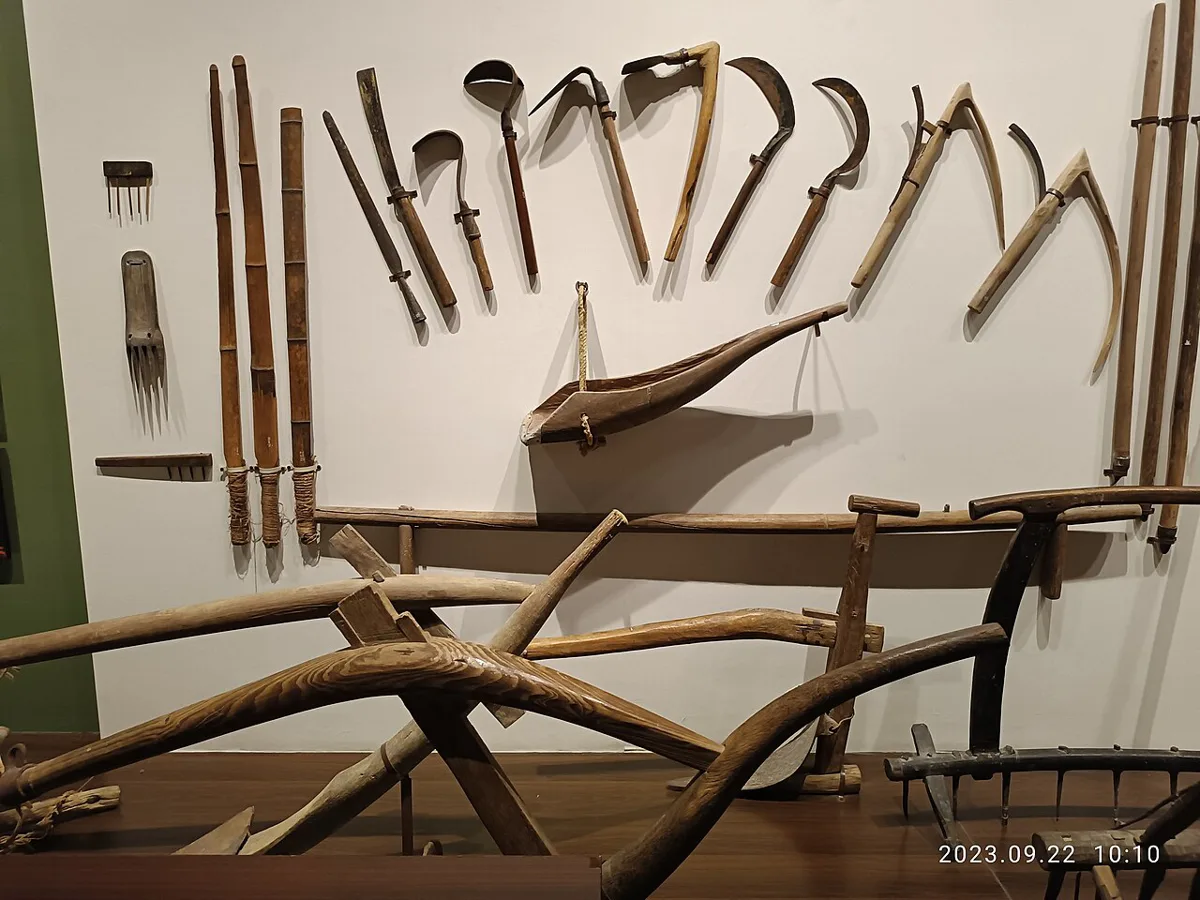
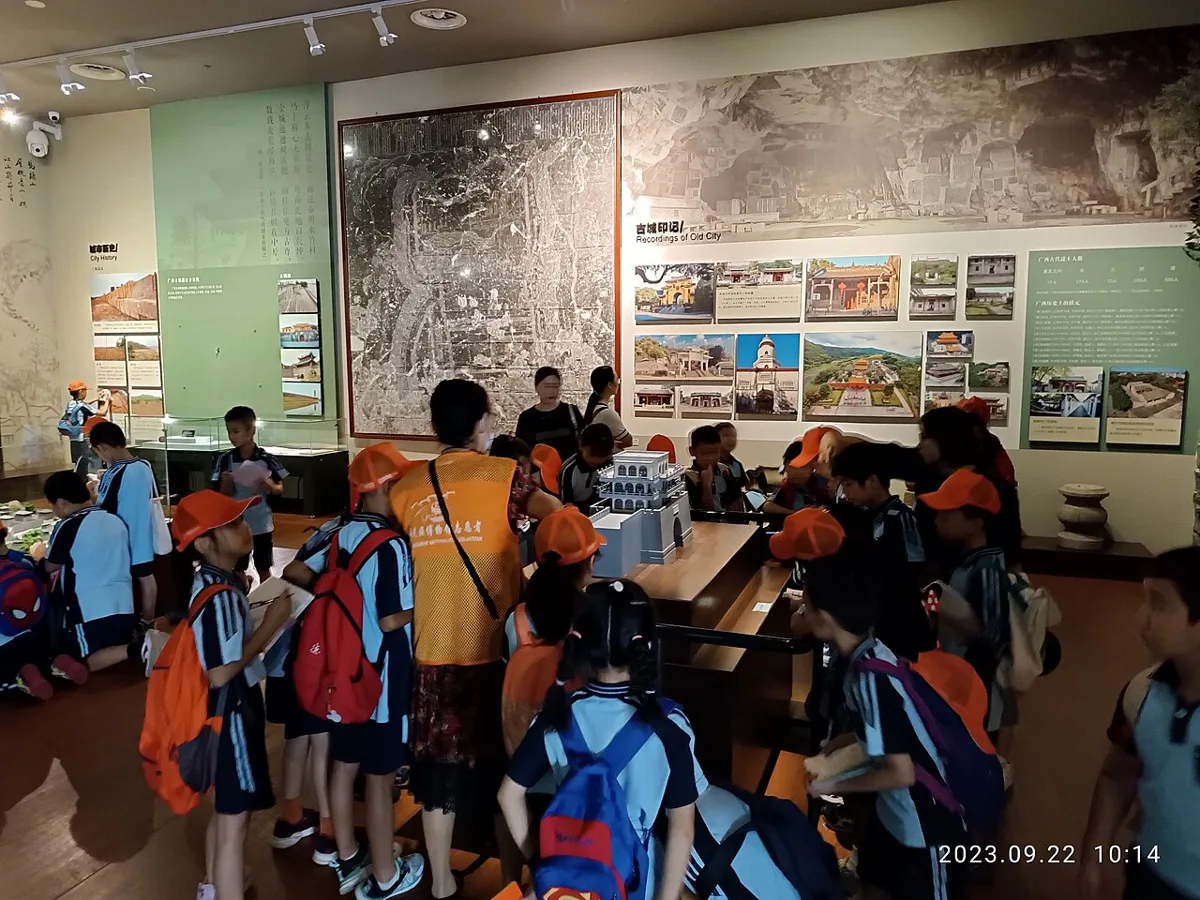
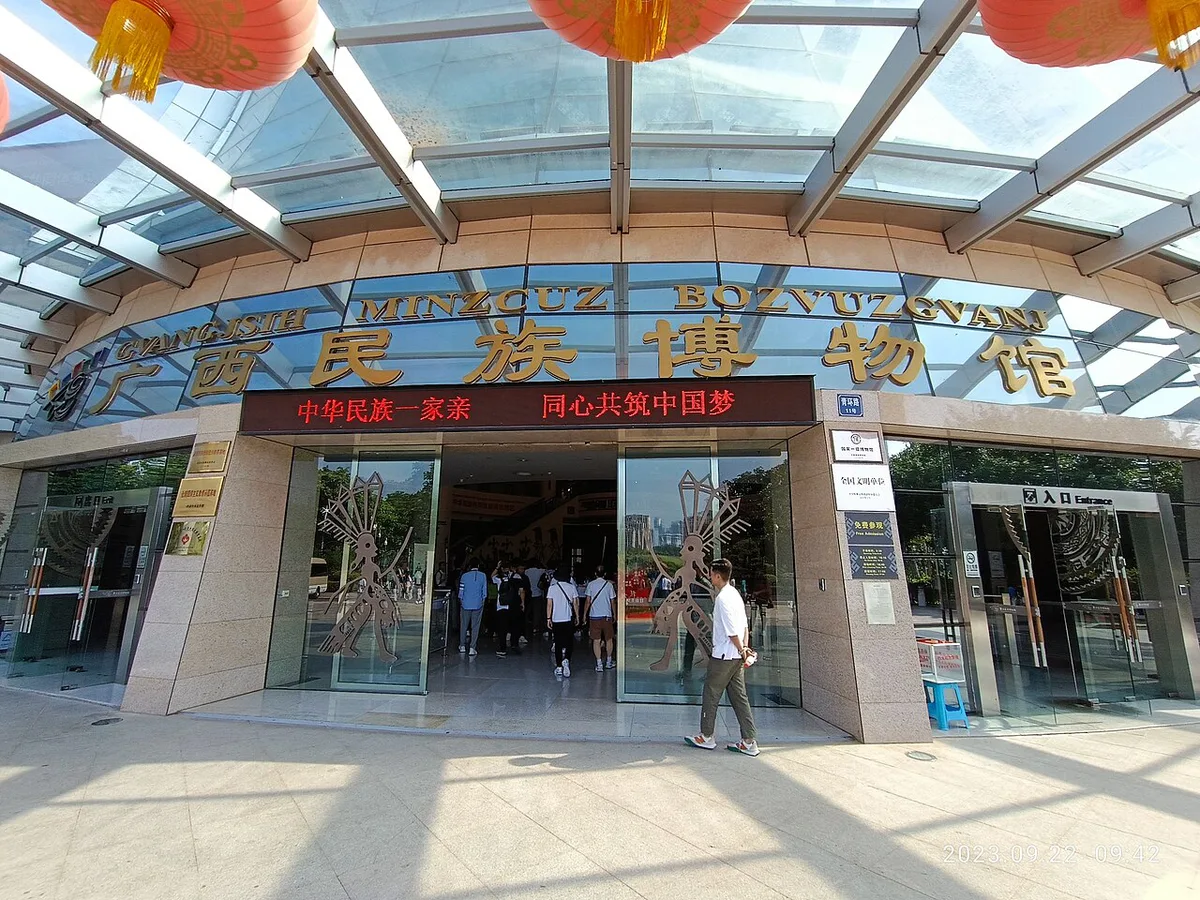
Choose this museum when your route stays in Nanning or you want an indoor visit devoted to nationalities before heading to a village. Admission is free at No. 11 Qinghuan Road in Qingxiu District, but you need a real-name reservation through the official WeChat account or the Meituan app. Opening hours are 9:30-17:00 from Tuesday to Sunday, with an exception for statutory holidays.
Ticket checks stop at 16:15 and visitors are cleared at 16:45, so a morning arrival gives you more room. Check passport booking and interpretation languages with the museum if you need them. Skip it if village streets and meeting local hosts are your only goals.
Which Village or Museum Fits Your Trip?
Pick Longji for terraces with Zhuang and Yao choices, or Chengyang for a Dong walk of 2-3 hours. Rongshui asks for the most date-specific planning, while Nanning's museum costs nothing to enter. Fitting several of these places into 1 day is not a safe assumption without a checked door-to-door route.
| Option | Entry cost | Time or hours | Main trade-off |
|---|---|---|---|
| Longji area | ¥80 full adult scenic-area ticket | Suggested 1-2 days | Extras cost more; confirm village coverage |
| Chengyang | ¥60, page dated 2016 | Half day, or 1-2 days overnight | Farther plan through Sanjiang |
| Rongshui | Depends on the place or event | Set by your festival and route | Venue and final transport need arranging |
| Museum of Nationalities | Free | 9:30-17:00, Tuesday to Sunday; holiday exception | City visit rather than village stay |
Planning Logistics From Guilin, Sanjiang or Nanning
At Longji, the scenic-area shuttle costs ¥40 per person. Jinkeng sightseeing cableway fares are ¥55 one way or ¥100 round trip. Half-price scenic-area tickets cost ¥40 for eligible visitors, including ages over 6 through 18 and 60-64. Bring ID, because discounts are not given on tickets bought belatedly at the checkpoint. For Chengyang, Sanjiang South station has direct trains to Guilin, Liuzhou and Nanning, among other cities. You still need to arrange the final ride to the villages, plus your return.
Chengyang sits about 19 km from the county seat, Guyi Town, so a train into Sanjiang South still leaves a final ride to arrange.
- Longji free entry: visitors aged 65 and over with ID, and children up to 1.2 m with a guardian.
- Chengyang free entry: children aged 6 and under or up to 1.2 m, and seniors aged 65 and over with their own ID.
- Chengyang half price: children over 1.2 m up to 1.4 m, seniors aged 60-64 with ID, and full-time students with student ID.
- City or village base: a city base suits the museum, while an overnight stay gives Longji or Chengyang more time.
- Before paying for a village room: confirm foreign-guest acceptance, passport requirements, payment methods, stairs, luggage help, last transport and the plan for bad weather.
Sanyuesan and Miao Festival Dates
For Sanyuesan, start with our Sanyuesan festival guide, then check Guangxi government notices for the coming year's public programs, venues and holiday arrangements. Rongshui has separate dates, including Miao gatherings on the 16th and 17th days of the 1st lunar month. Its Lusheng and Horse-Fighting Festival has been scheduled annually on November 26 since 2004, so that calendar date has passed for 2026. Skip that event if you do not want to attend animal fighting. Lunar dates move on the Western calendar, so convert them for your travel year.
- Antai Lusheng Festival, Miao: 13th day of the 1st lunar month.
- Xiangfen Gulong Po gathering, Miao: 16th day of the 1st lunar month.
- Anchui Manghao Festival, Miao: 17th day of the 1st lunar month.
Languages, Identity and Dong Grand Song
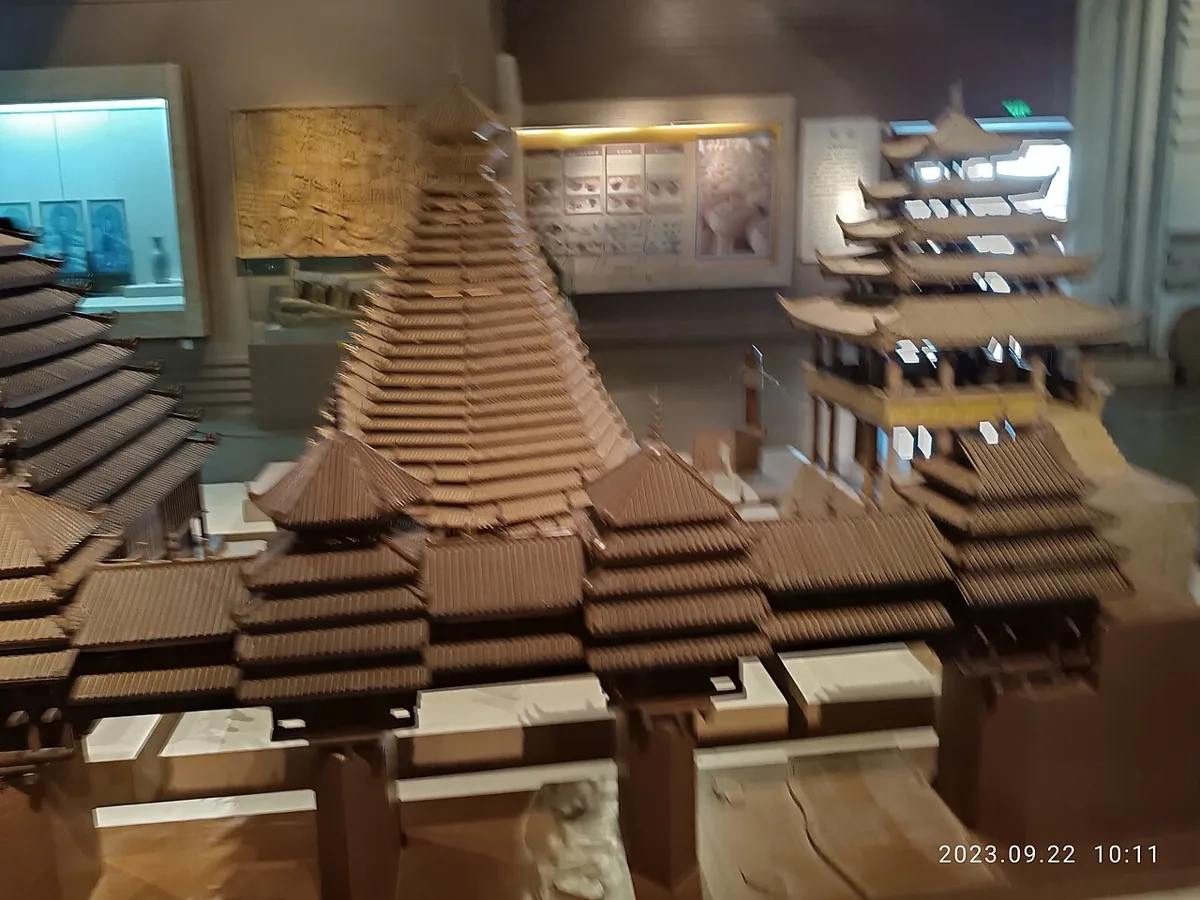
Guangxi's regional languages include Zhuang, Kam, Pinghua, Cantonese, Hakka and Min, alongside Mandarin, including Southwestern Mandarin. Do not use a person's speech to guess their ethnic identity. In a 2015 Lowy Institute article, Alexandra Grey drew on her then-ongoing PhD research into Zhuang language and society. She found a distinct Zhuang identity continuing, although many people spoke both Zhuang and Han Chinese or had shifted to the latter. Views about declining language and cultural practice differed. For Dong culture, UNESCO recognizes the Grand Song of the Dong as intangible cultural heritage. That listing does not mean you will hear it on any given village visit.
How to Visit Minority Villages Respectfully
Ask before photographing people, homes or ceremonies, and accept no without bargaining. Enter private or ceremonial spaces only when local rules and your host allow it. When booking a guide or performance, ask how residents take part and how they are paid. Daily routines are not a show, even inside a ticketed area.
- Do not identify someone's ethnicity from clothing alone.
- Do not expect residents to pose, sing or change clothes for your visit.
- Ask before joining a wedding or festival meal, and check whether there is a charge.
- Use the group's name rather than calling communities tribes.
Building the rest of the trip? Our Guangxi attractions guide covers the sights, districts and logistics around this guide.
Frequently Asked Questions
Are Guangxi people Vietnamese?
Living in Guangxi does not make someone Vietnamese. Guangxi is an autonomous region of China that borders Vietnam, and its population includes Han, Zhuang, Yao and other ethnic groups.
Are Zhuang people ethnically Chinese?
Zhuang are an officially recognized minority ethnic group in China, distinct from the Han category. Being a Chinese national and having a Zhuang ethnic identity are compatible.
What is China's largest minority nationality?
Zhuang are China's most populous official minority group. Alexandra Grey's 2015 Lowy Institute article put their number at approximately 16 million, a dated national figure rather than a current Guangxi count.
Explore More Guangxi Guides
Keep planning your Guangxi trip with these guides.
Guangxi Guides
Notes for your Guilin trip
Optional updates to our guides.
Also worth reading
Keep planning
More guides you'll find useful