Yao People in Guangxi: Culture and Visitor Guide
Meet the Yao people of Guangxi, China: identity, places, respectful visits, and ticket and performance prices for Huangluo Yao Village.
Last updated November 2026: the Yao people (瑶族, Yaozu) are a diverse set of communities in southern China and neighboring regions. Their shared name does not mean one language, dress style or way of life, and Guangxi is one place to learn about them within its wider ethnic minority cultures.
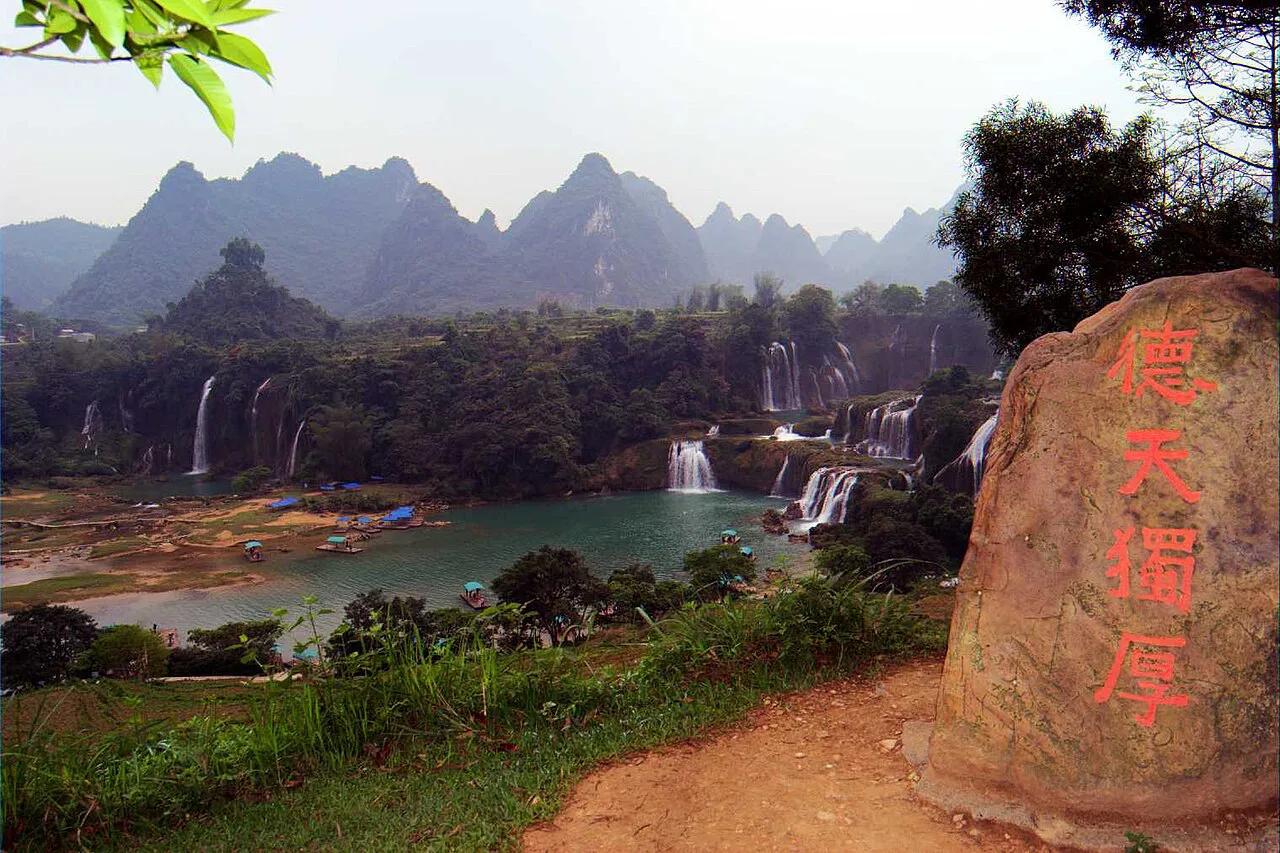
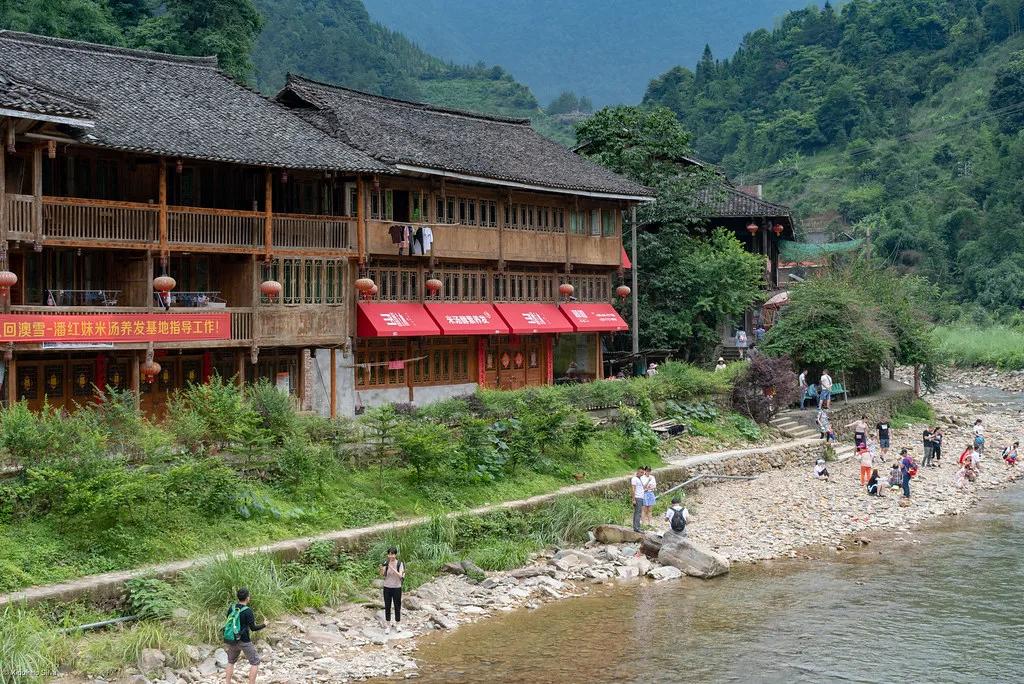
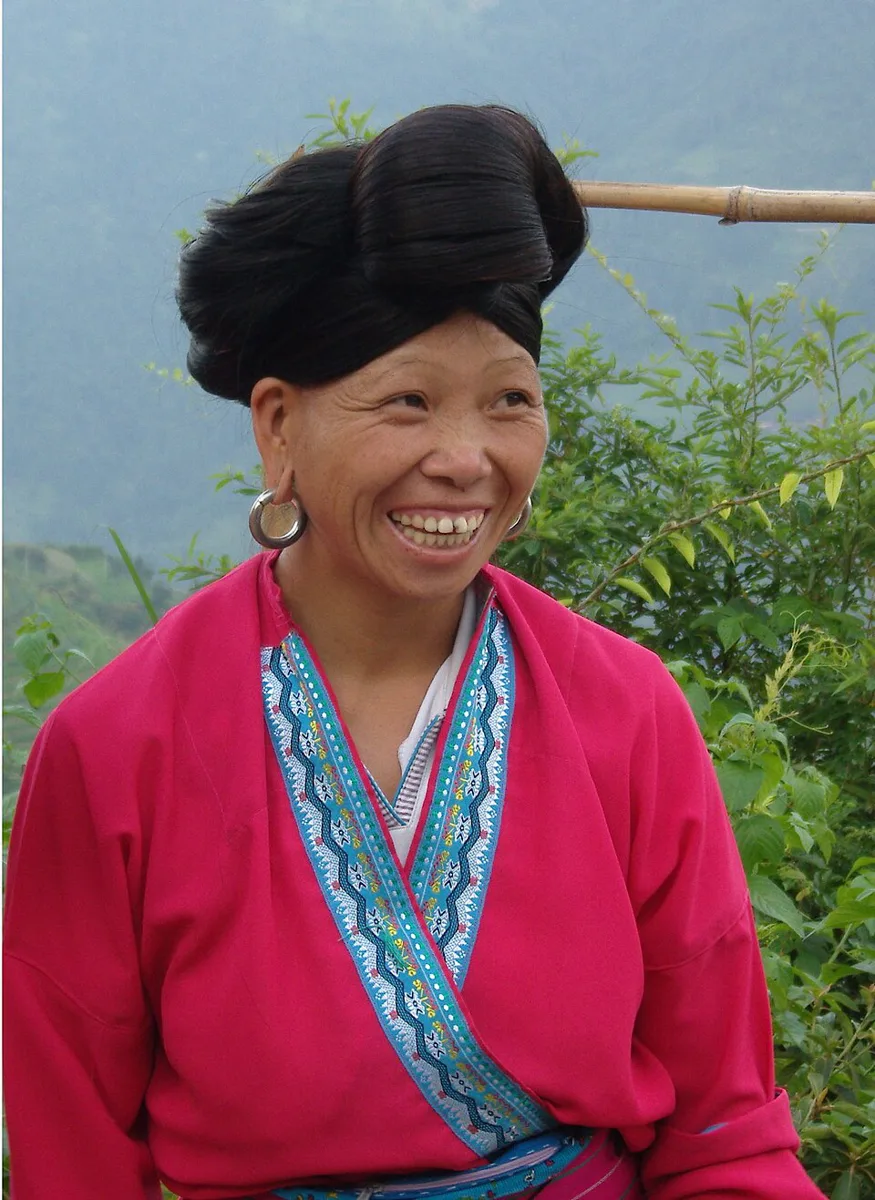
Featured image: xiquinhosilva, CC BY 2.0, via Flickr.
Who Are the Yao People in Guangxi?
In China, Yaozu is an official ethnic minority category. A national category is a broad label, so it cannot tell you how a particular family describes itself. Local and subgroup names may matter more in conversation. Let residents state their preferred name instead of assigning one from clothing or an old photo caption.
English searches can also lead to the Yao of East and southern Africa. This guide covers the Yao 瑶族 connected with China. A matching English spelling is no reason to transfer homeland, language or religious details between them.
Keep the scale of each claim clear as you read more. A statement about one village does not automatically describe all of Guangxi. Likewise, a China-wide summary cannot show what daily life looks like on a particular lane.
Where Can You Find Yao Places in Guangxi?
Jinxiu Yao Autonomous County is a Guangxi county whose official name includes the Yao. Its county government gives a year-round average temperature of 17°C (about 63°F). It also describes summers without intense heat and winters without severe cold. An annual average is not a forecast, so pack according to the weather expected on your dates.
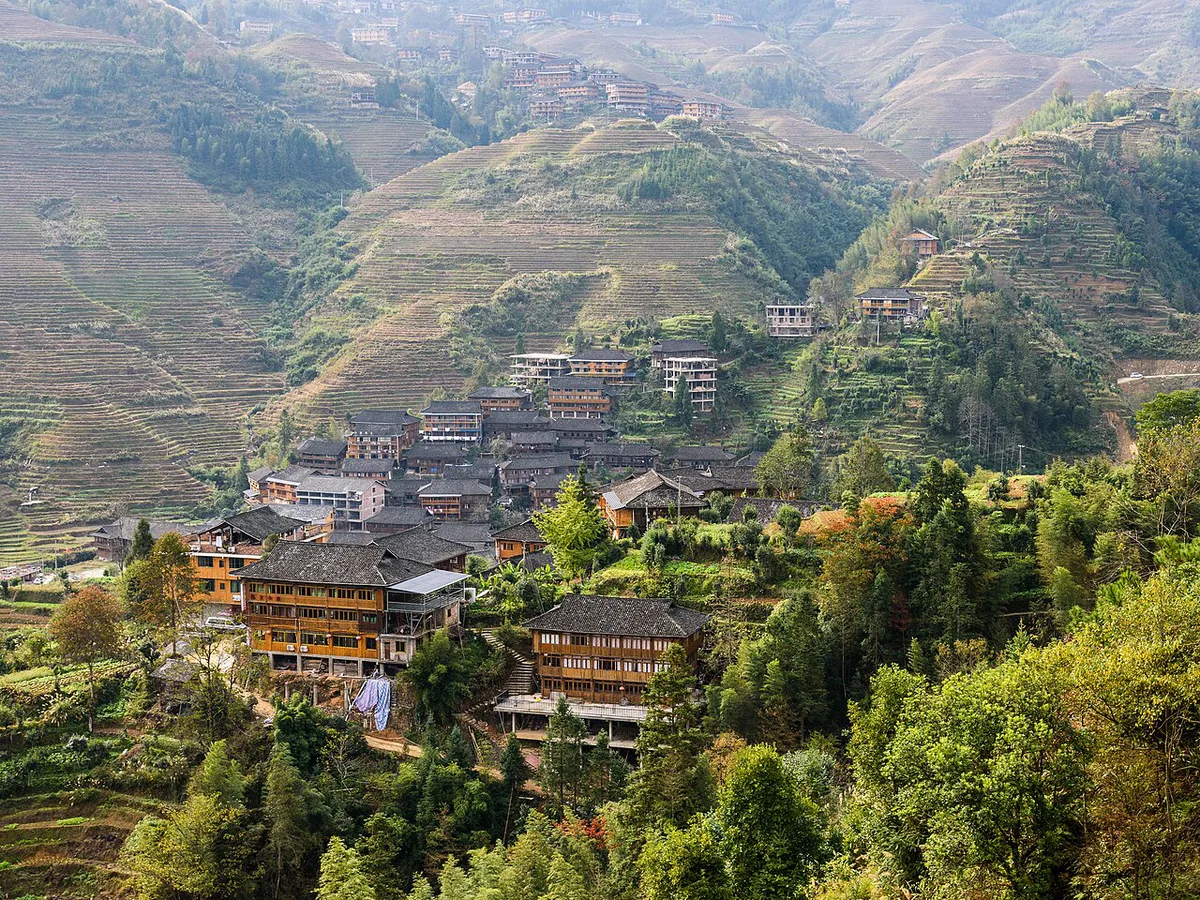
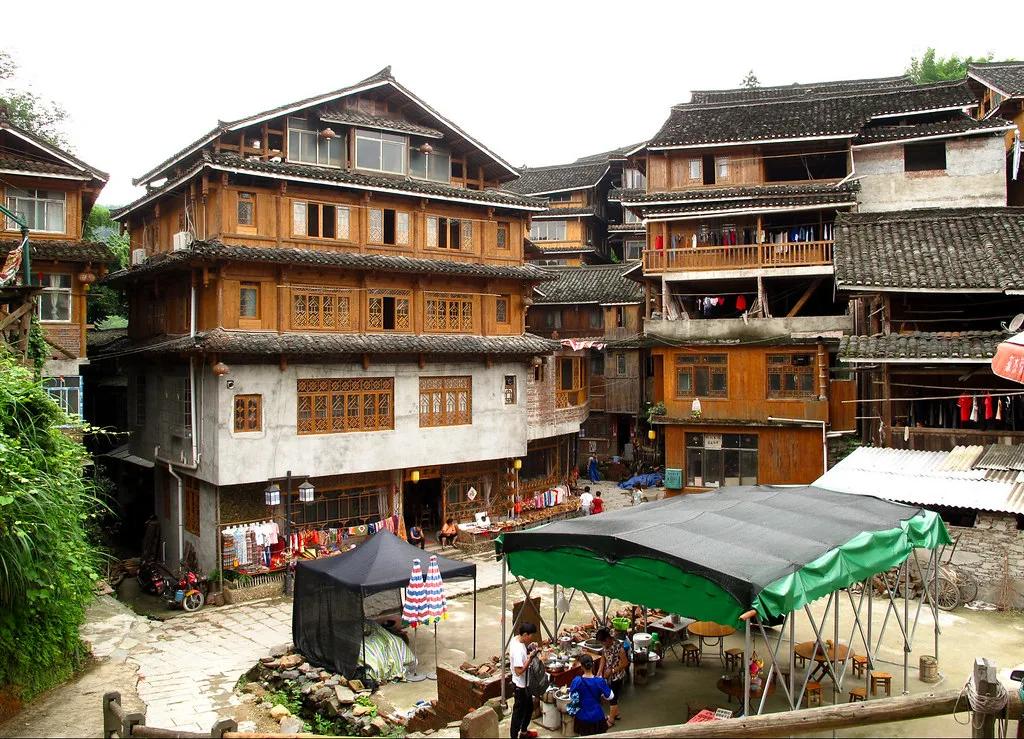
Huangluo Yao Village is a more specific visitor lead, connected with the Longji Rice Terraces scenic area in its ticket information. Dazhai Village is a separate place. Its government-listed address is in Longsheng Various Nationalities Autonomous County, Guilin. An address alone does not describe residents' identities, so avoid treating every village in a multiethnic county as Yao.
These places are not a complete map of Yao communities. A county title or village name is also not an invitation into homes or private gatherings.
Why Do Language and Identity Need Local Context?
Do not expect one Yao language or custom to cover every community. When a museum label or guide mentions language, ask which group and locality it means. Apply the same question to subgroup names. This helps you distinguish a person's own description from a label used by outsiders.
Nearby cultural subjects need the same care. You can read about Zhuang communities as a separate part of Guangxi's cultural picture. A guide to the Dong People of China: Culture, Villages & Etiquette offers another distinct subject. If your route also involves Miao communities in Guangxi, keep their names and practices separate too.
How Should You Read Dress, Festivals and Food?
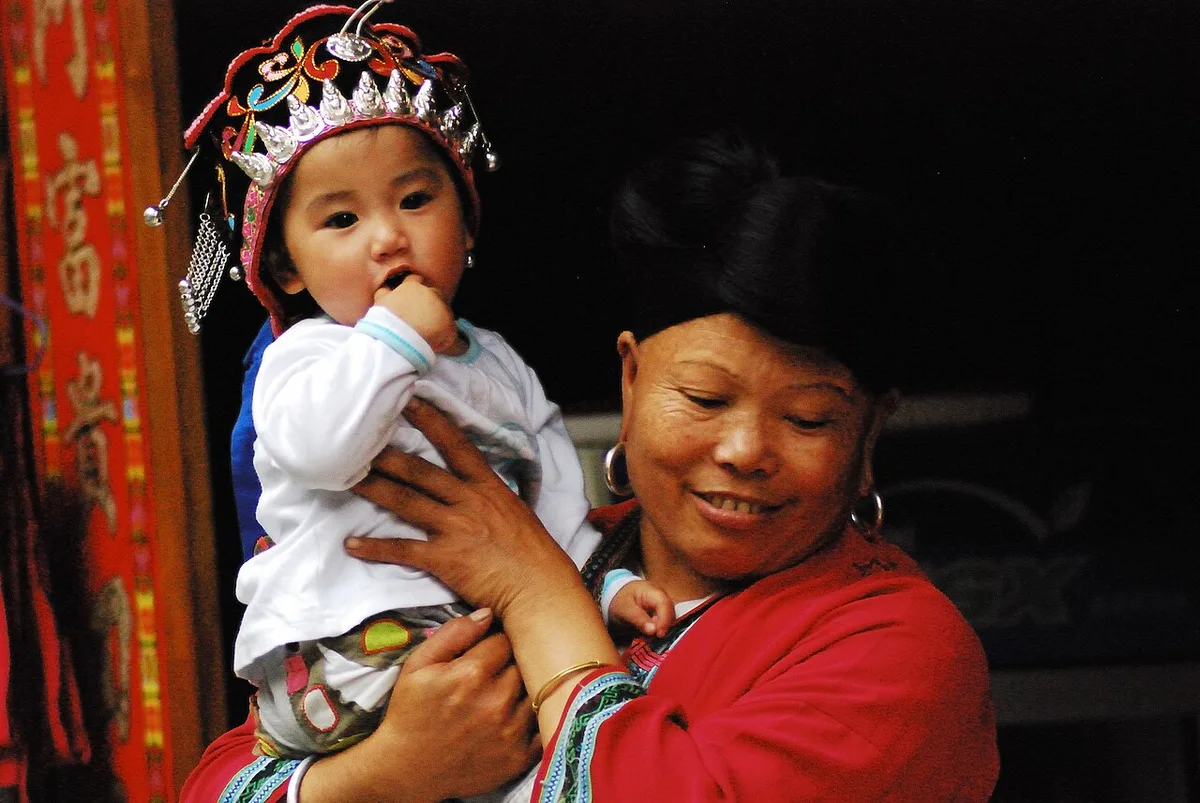
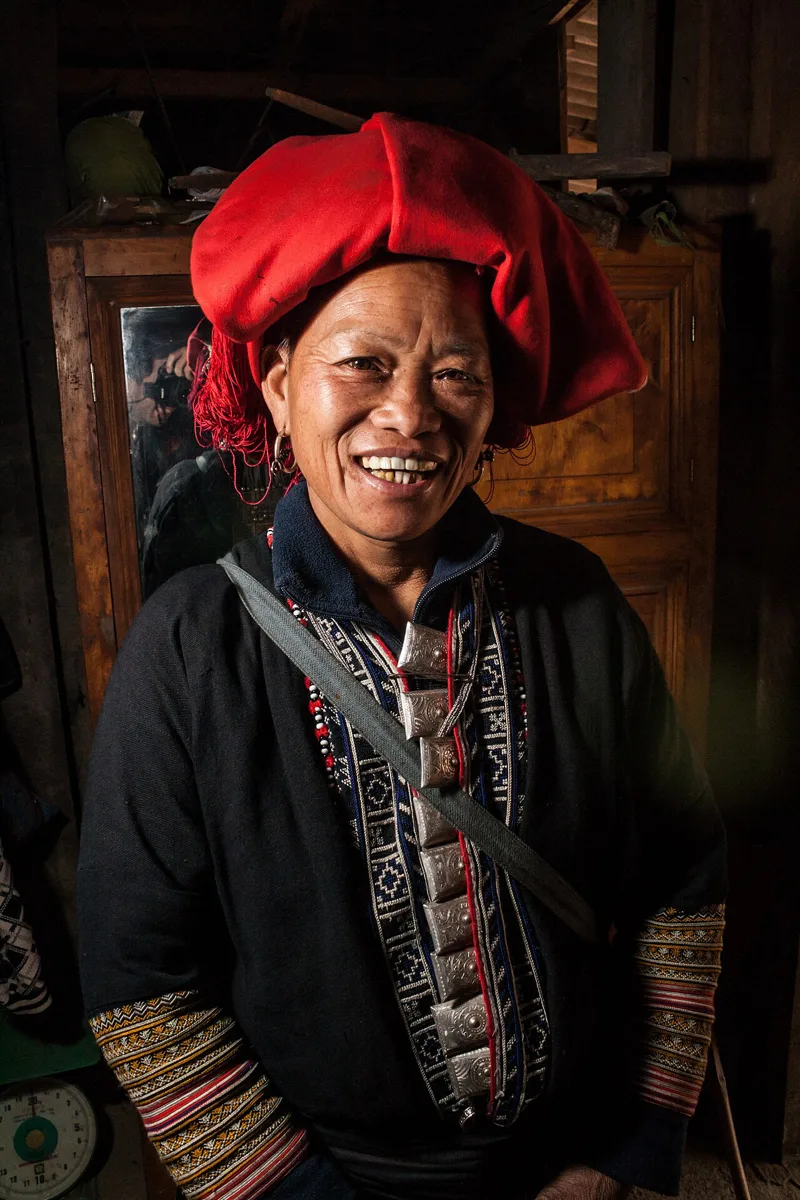
Treat clothing, ceremonies and food as local subjects rather than a checklist for identifying Yao people. A garment worn on stage may not show what someone wears at home. Similarly, a dish served to visitors does not establish a food tradition shared by every community.
Useful questions can make a guided explanation much clearer:
- Dress: Which community wears this, and on what occasions?
- Festivals: Who organizes the event, which calendar sets it, and may visitors attend?
- Food: Is this an everyday household dish, an occasion food or a restaurant offering?
- Performance: Who performs, who presents the program, and how are participants paid?
- History: Is this a documented event, a family account or a legend?
Should You Choose a Village Visit or Performance?
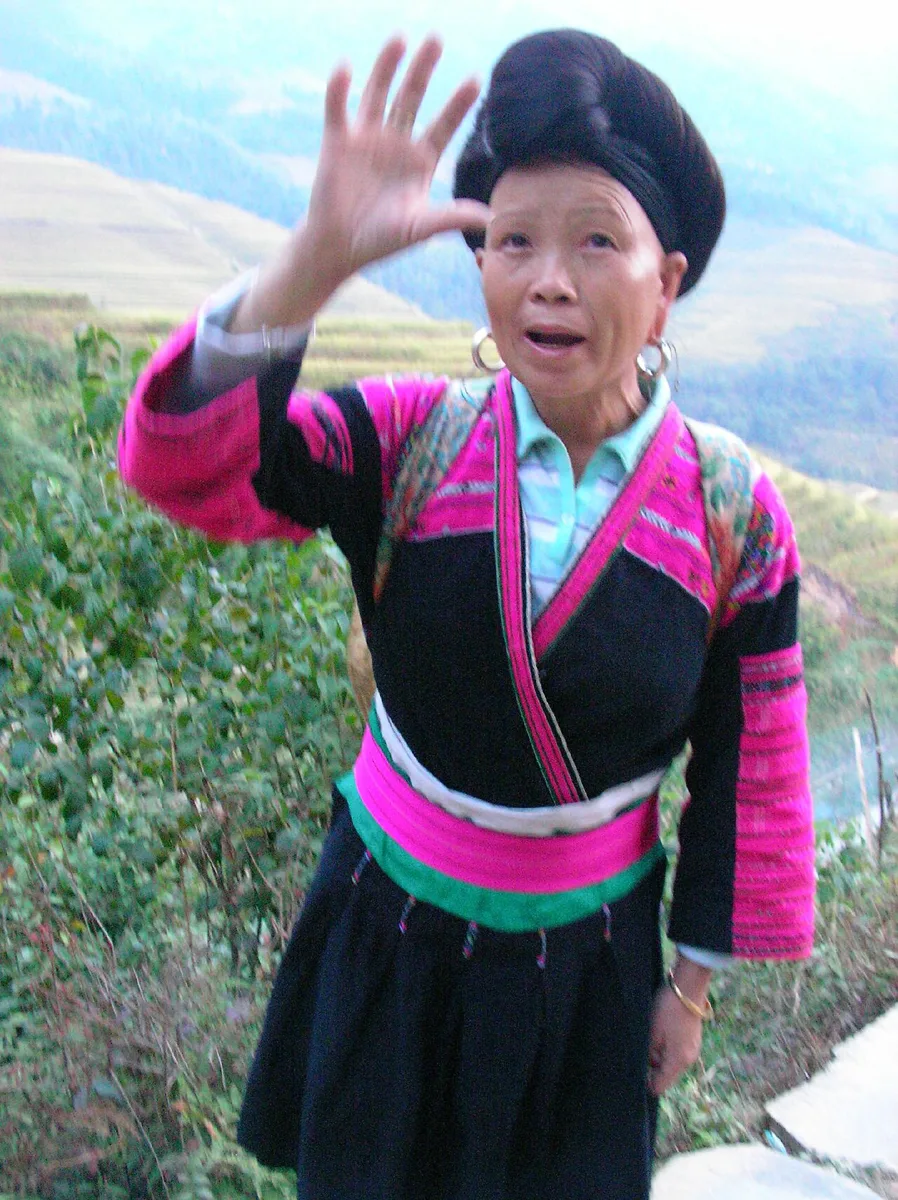
Huangluo gives you two things to consider separately: seeing the village and attending its song and dance program. A visit may suit you if you want a sense of place. A performance offers a presented introduction, but it should not stand in for everyday community life.
- Village visit: Check where visitors may walk, what is private and whether the route fits your mobility needs. Skip it if you cannot establish suitable access.
- Song and dance performance: Ask about the current schedule, language support and who benefits. Reconsider it if your main interest is ordinary daily life.
How Much Does Huangluo Cost, and What About Access?
Longji's official scenic area page lists the Huangluo song and dance performance at ¥80 per person (price checked November 2026). Its ticket notes also include Huangluo among the main sights and show a full adult Longji Rice Terraces ticket at ¥80. These are separate listings, so do not assume the terrace ticket covers the show.
Budget transport, lodging, guiding and optional activities separately. Before choosing a day trip or overnight stay, set your actual departure point. Then get current round-trip connections, including the final return.
Ask the operator about show times, booking, cancellation and weather disruption. Also ask how much walking the final approach requires and whether it includes stairs or slopes. If those answers do not work for your group, do not build a fixed itinerary around the visit.
How Can You Visit Yao Communities Respectfully?
Start with consent, especially around homes and daily routines. A ticket for a scenic area or performance does not give permission for close-up portraits or entry into private space. Follow local instructions, and accept a refusal without bargaining.
- Ask before photographing people, including children with their caregivers.
- Do not enter homes, rituals or gatherings without an invitation or clear public access.
- Avoid asking residents to change clothes, pose or repeat an activity for your camera.
- Do not treat one performer's dress or explanation as representative of all Yao communities.
- When buying crafts, meals or guiding, ask who makes or provides them. A purchase alone does not show how much money reaches residents.
Frequently Asked Questions
What does "yao" mean in Chinese?
In the ethnic name 瑶族, 族 (zu) indicates a people or ethnic group. On its own, 瑶 (yao) is associated with precious jade, but that dictionary meaning does not explain a community's identity or history. Other Chinese words romanized as yao use different characters and meanings.
Where did the Yao tribe come from?
For China's Yao communities, avoid reducing origins to a single village or story. Check which group a history describes, and distinguish documented evidence from family accounts or legends. "Yao people" or "Yao communities" is also clearer wording here than "Yao tribe."
Notes for your Guilin trip
Optional updates to our guides.
Also worth reading
Keep planning
More guides you'll find useful