Miao People in Guangxi: Rongshui, Festivals and Visits
Meet the Miao people in Guangxi through Rongshui County: which festivals are listed as Miao, how far it is from Liuzhou and how to visit respectfully.
Last updated November 2026: the Miao people in Guangxi belong to the Miao 苗族, one of China's ethnic minorities, and a key area is northern Rongshui Miao Autonomous County. Our guide to Guangxi's ethnic minorities places them in the wider region.
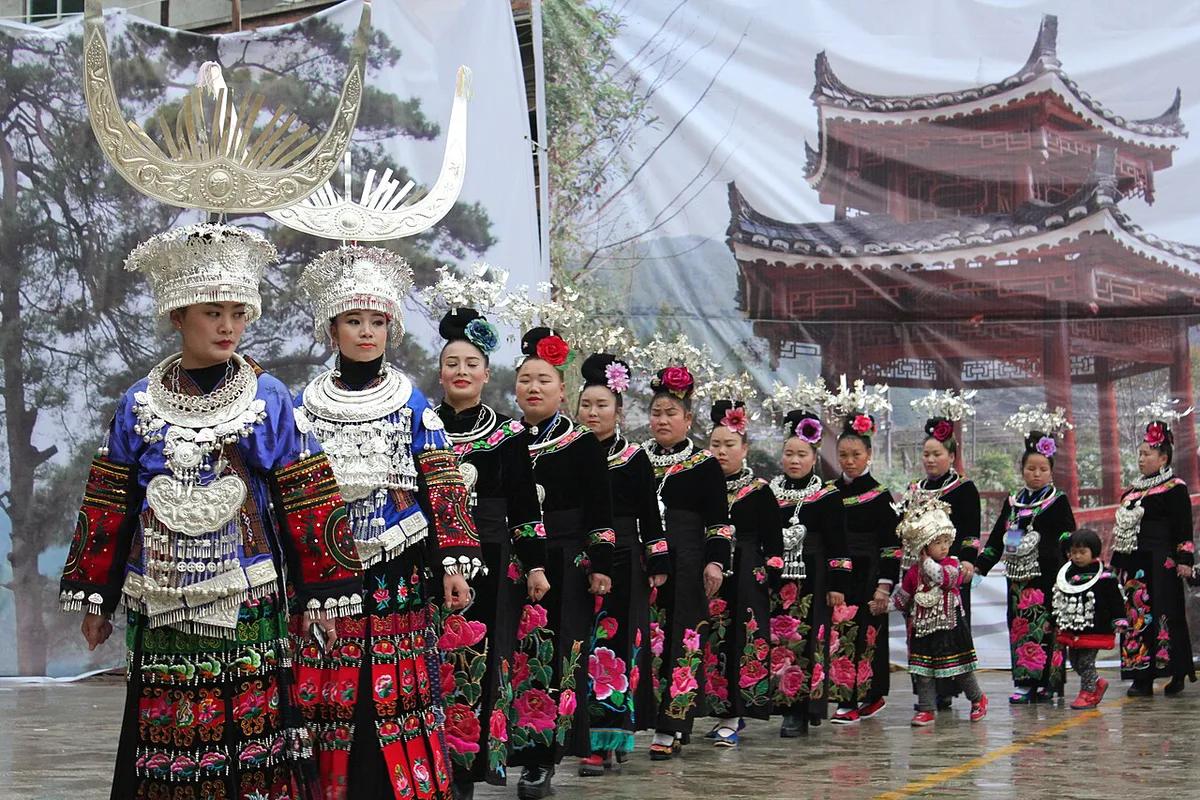
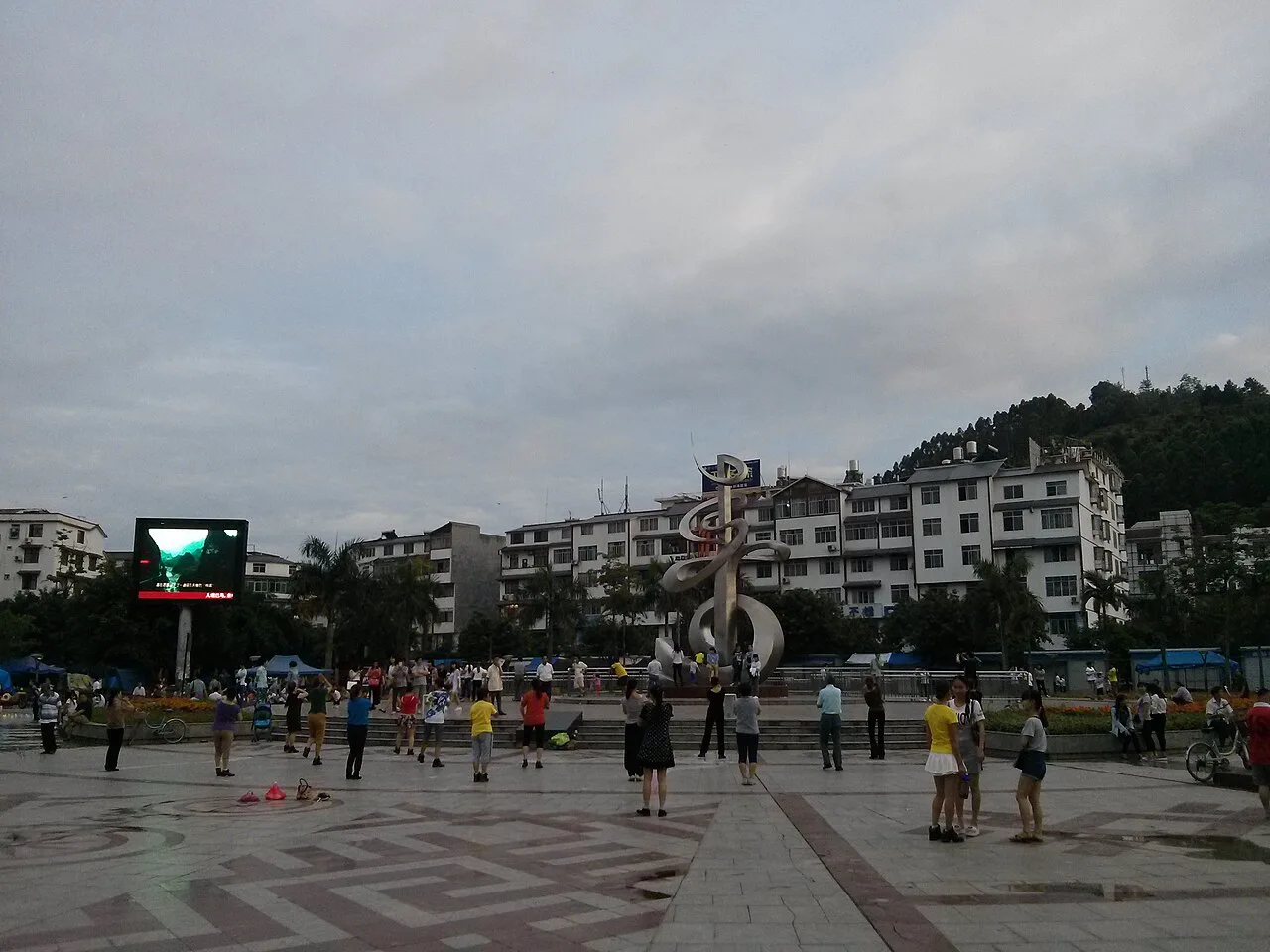
Featured image: Arian Zwegers from Brussels, Belgium, CC BY 2.0, via Wikimedia Commons.
Where do Miao people live in Guangxi?
Start your map with Rongshui. This county in northern Guangxi is 108 km (about 67 miles) from Liuzhou city. Its official title identifies it as a Miao autonomous county, and its government website names several Miao festivals.
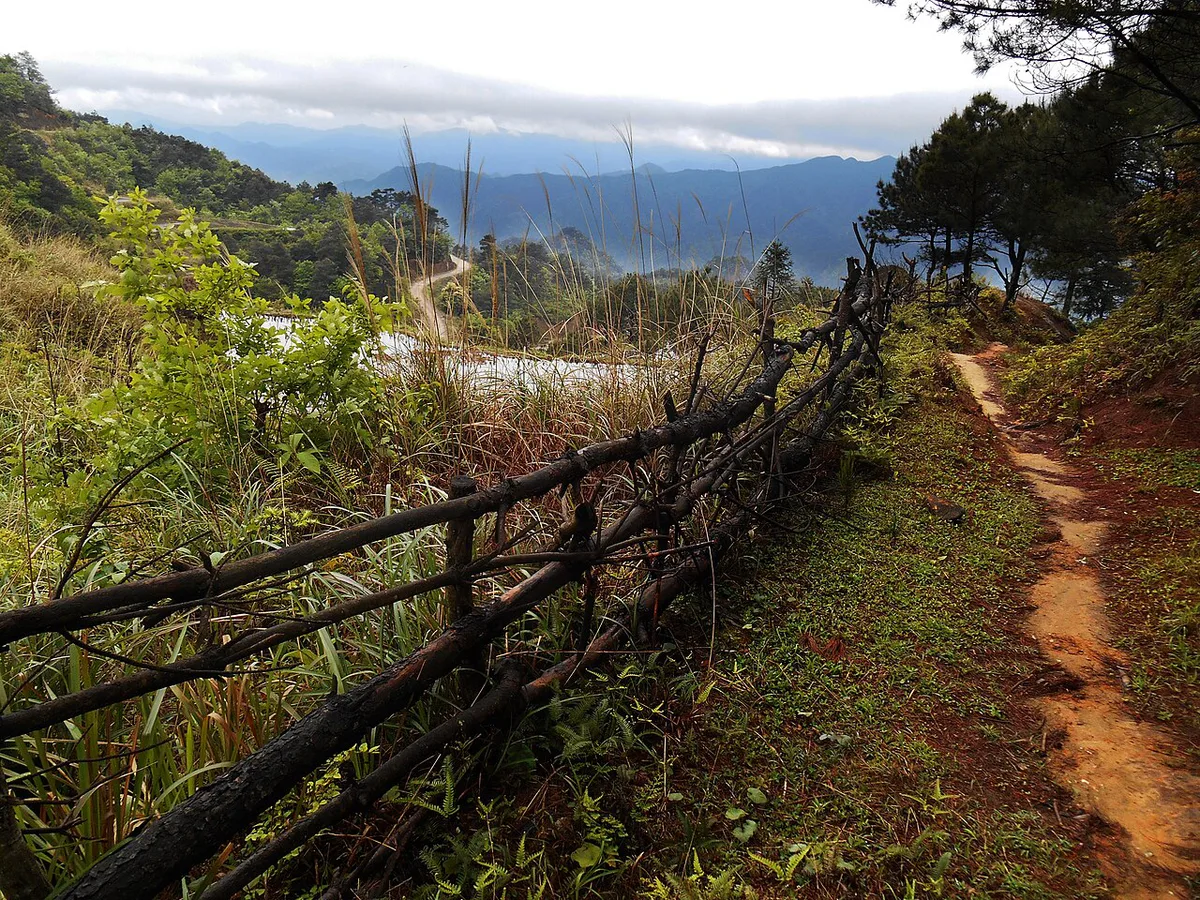
That title is an administrative name. It doesn't mean every resident is Miao, or that each village receives visitors. It also doesn't mark the limit of where Miao residents live in the region. Rongshui is a well-supported starting point, but it isn't a complete distribution map.
When you research a village, look for three things:
- Its county and province, so you know it is really in Guangxi
- A named township or village that you can match with your transport booking
- A current local notice or host who can say whether visitors are welcome
How should you understand Miao identity and language?
Miao is the name of an ethnic group whose communities also live outside Guangxi. A broad national description can't tell you how a particular Rongshui household speaks, dresses, cooks or worships. Treat language and custom as local questions.
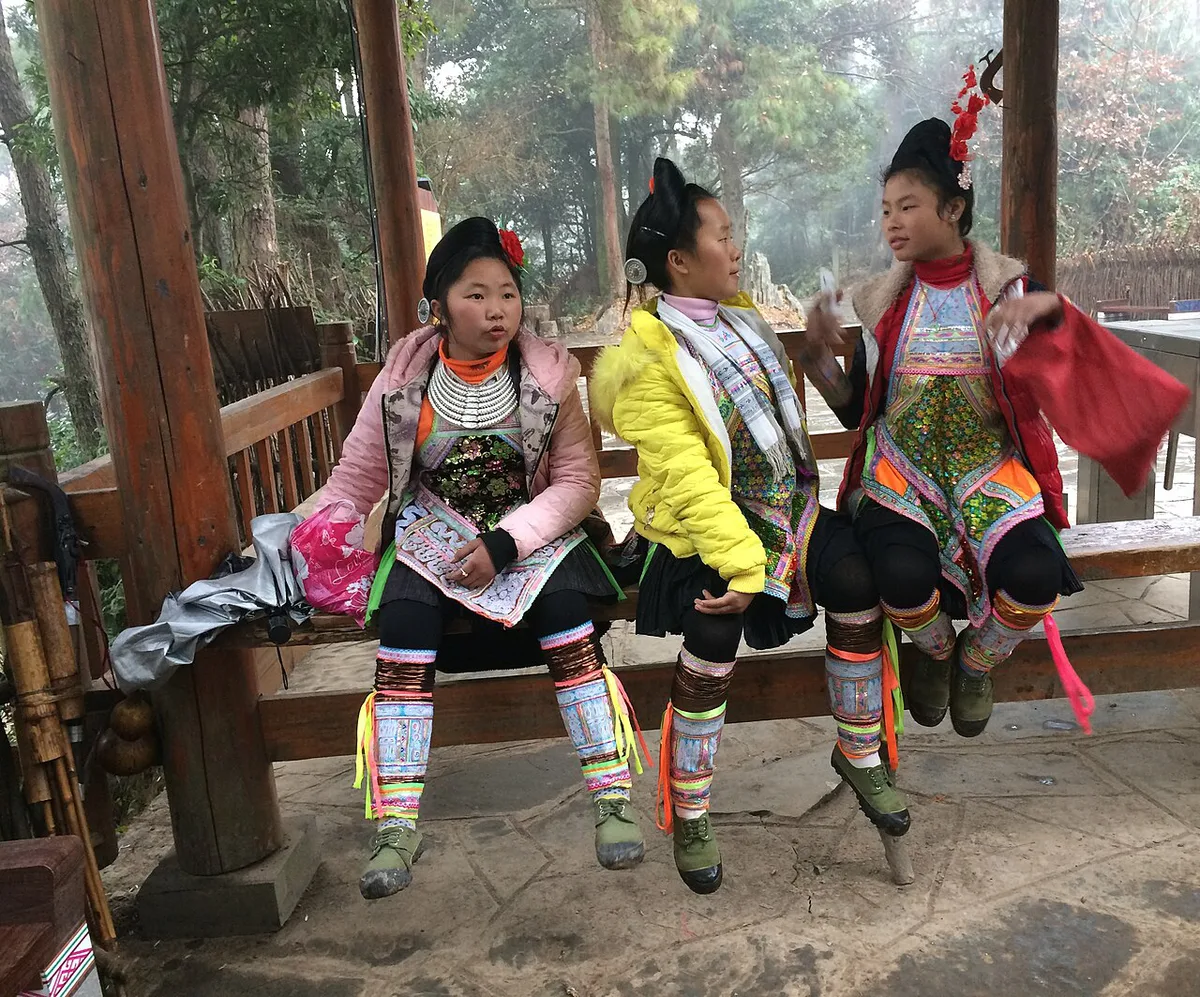
Ask a host which language or local speech people use in that village. If you hire a guide, ask whether that person can interpret it or works only in Mandarin and English. Family history deserves the same care. A story told in one village is that community's account, not automatically the history of every Miao person.
Guangxi's other peoples have their own identities too. Our pages on the Zhuang people of Guangxi cover one such group. You can read separately about Yao communities and culture. Sharing a region doesn't show that groups share a custom.
Which cultural details are specific to Rongshui?
Festival names give you the firmest local detail. Lusheng (芦笙) refers to a musical instrument, and it appears in the name of the Antai Lusheng Festival. Rongshui's government site identifies this as a Miao festival on the 13th day of the 1st lunar month.
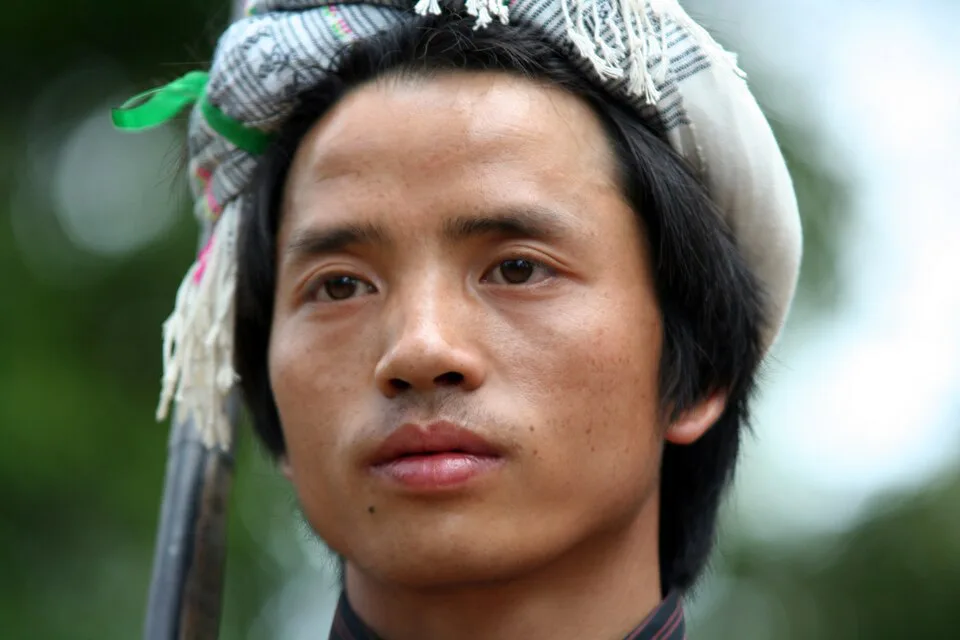
Two other gatherings carry the same Miao identification: Xiangfen Gulong Po and Anchui Manghao. Keep each name attached to its own date when you ask locally. A festival name alone doesn't tell you the program, the dress code or which villages take part.
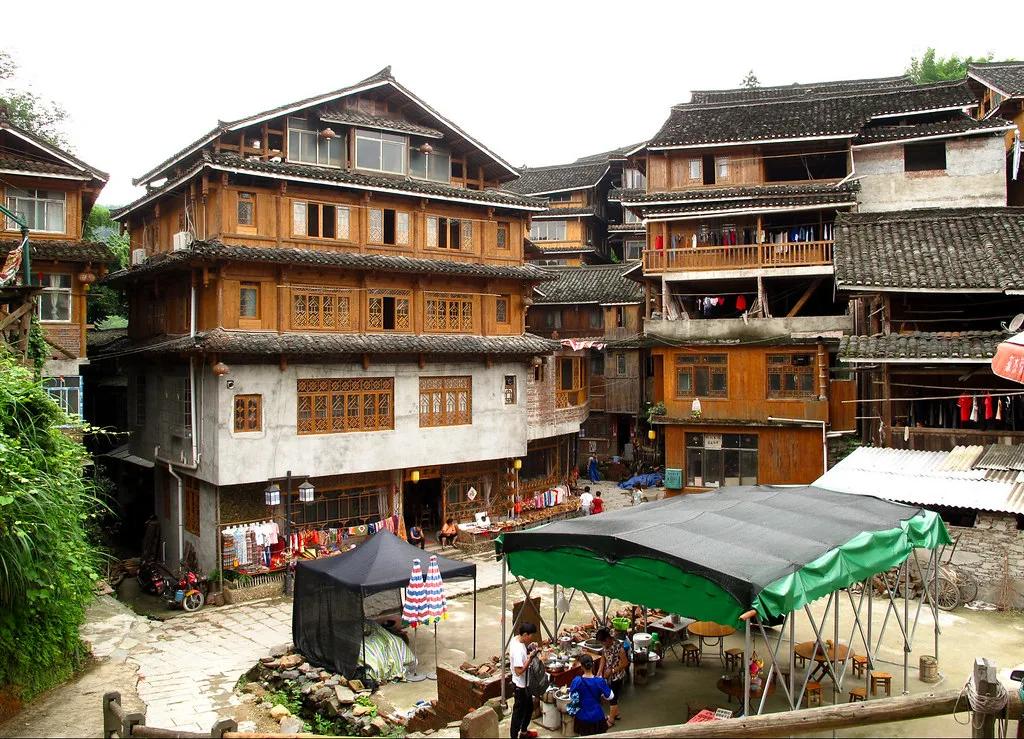
You may see national accounts of silver jewelry, embroidery, stilt houses or sour soup. Don't assume any one description fits your destination. Ask residents or a local venue what is made, worn or eaten there. Also ask whether it belongs to daily life, a festival or a scheduled visitor show.
Music needs similar care across ethnic groups. UNESCO's listing for the Grand Song tradition assigns it to the Dong ethnic group, so don't label it Miao. For that separate culture, see our introduction to the Dong People of China: Culture, Villages & Etiquette.
When are Rongshui's Miao festivals?
Three festivals are explicitly identified as Miao. After Antai's gathering, Xiangfen Gulong Po falls on the 16th day of the 1st lunar month. Anchui Manghao follows on the 17th day of that month. These lunar dates move on the Western calendar, so convert them for your travel year and confirm the venue locally.
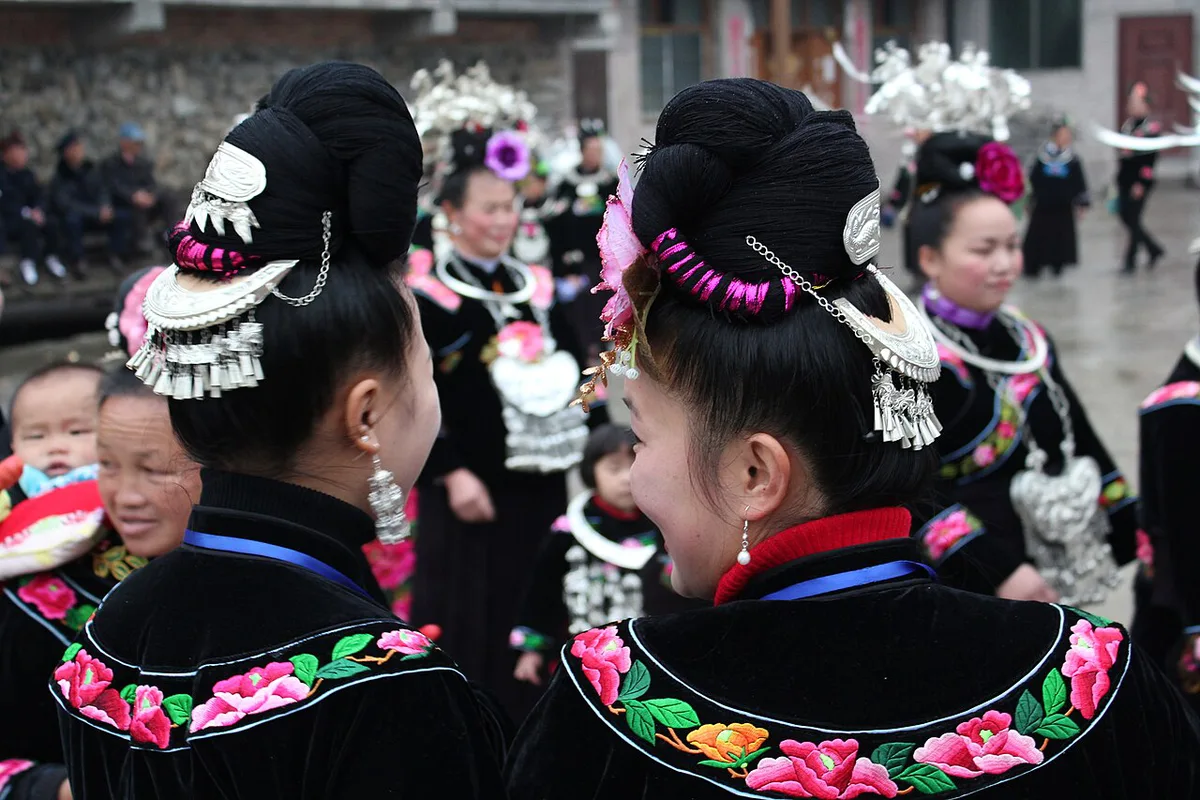
Rongshui also lists other annual events without calling them Miao festivals. Its Dongtou festival falls on the 2nd day of the 2nd lunar month. Xinhe, or New Rice, falls on the 6th day of the 6th lunar month.
Since 2004, the county has also held the Rongshui Lusheng and Horse-Fighting Festival on November 26. That date has passed for 2026. As its name states, horse fighting is part of the billing, so skip it if you don't want to attend an animal contest.
Don't treat another spring celebration as a substitute. None of the Miao dates above is the third day of the third lunar month. Our Sanyuesan festival guide covers that occasion separately.
- Antai Lusheng, listed as Miao: lunar month 1, day 13
- Xiangfen Gulong Po, listed as Miao: lunar month 1, day 16
- Anchui Manghao, listed as Miao: lunar month 1, day 17
How do you plan a Rongshui visit from Liuzhou?
Plan around your final village, not just the county name. The Zhicheng–Liuzhou Railway passes through Rongshui, but that doesn't establish which station or train suits your trip. Check passenger stops and tickets through China's official railway booking channel.
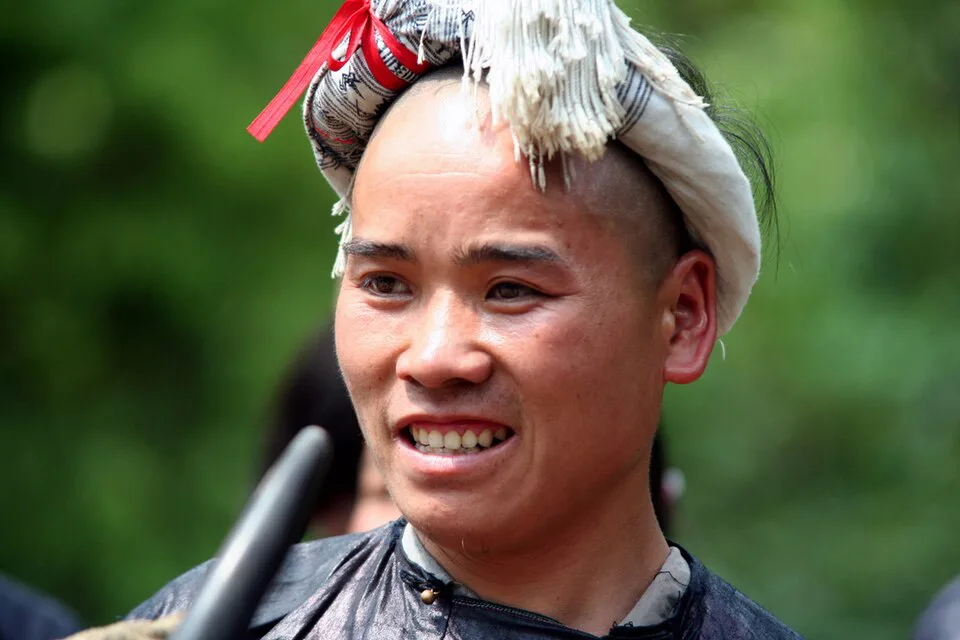
For road travel, a county government page published on June 20, 2025 reports open Class-2 highways from the county town to scenic areas. It also describes a completed road network around Yuanbao Mountain. Neither statement gives you a bus timetable or a travel time to a festival village.
Before paying for a room or driver, settle these points:
- Destination: get the township and village names in Chinese
- Return: arrange your ride back before leaving the county town
- Day trip or overnight: choose after you know the transfer time and have confirmed lodging
- Language: ask what your guide or driver can interpret
- Access: confirm the event venue, visitor admission and any fee
Is a Miao village visit right for you?
Rongshui makes sense if you want to focus on Miao communities in Guangxi and can arrange local details in advance. A festival-centered trip needs flexible dates because the three Miao events follow the lunar calendar. An ordinary-day visit may suit conversation or village life better, but don't expect performances or festival dress.
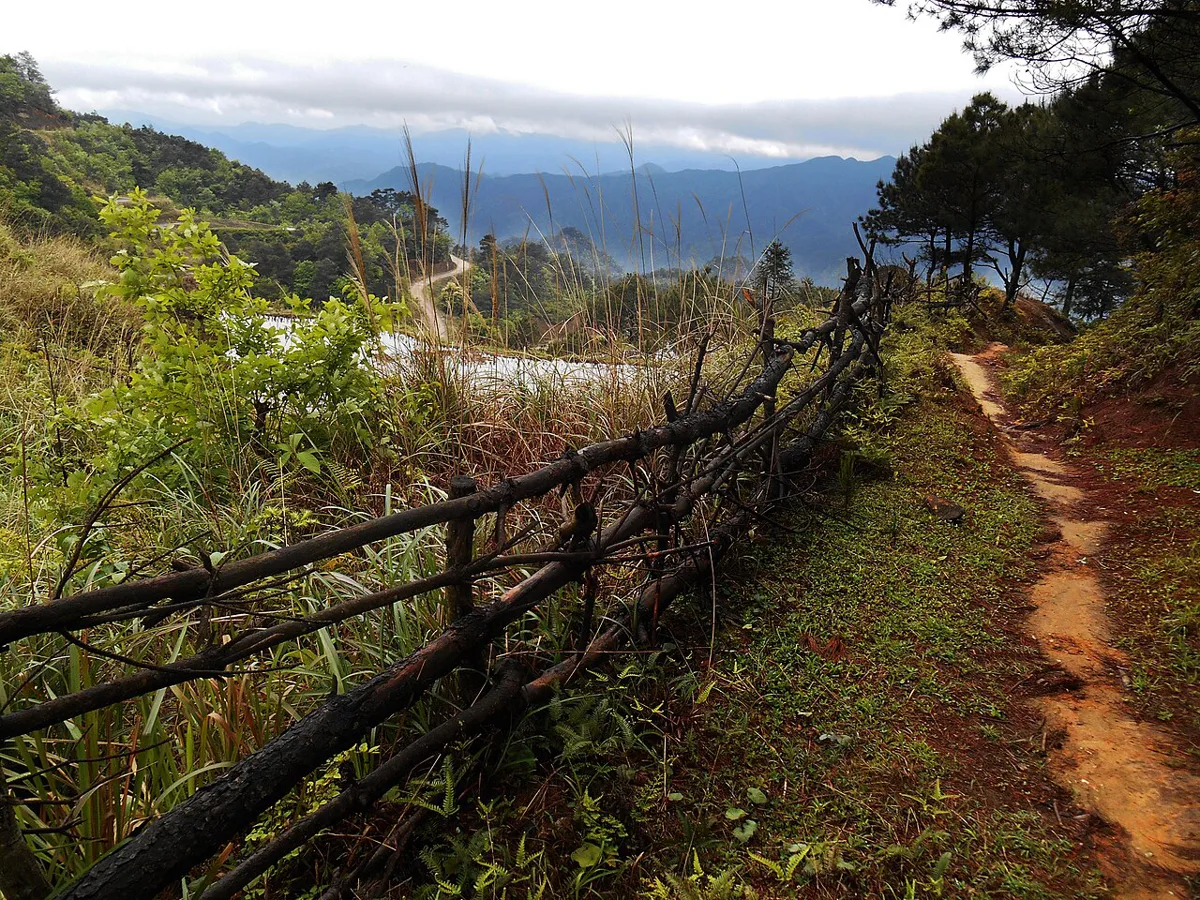
Xiangfen Gulong Po falls on the 16th day of the 1st lunar month, so a festival-focused trip should keep several days flexible around the Antai and Anchui dates.
Consider skipping the detour if your schedule depends on a guaranteed show or an unplanned same-day return. The county's distance from Liuzhou city doesn't tell you how long it takes to reach a particular village. A local guide is useful when you can't confirm directions or visitor access yourself.
How can you visit respectfully?
Approach a village as a place where people live and work. Ask before photographing anyone, especially children, and accept a refusal. Wait for an invitation before entering a home. Seek permission before approaching a private ceremony or ritual space.
Don't ask residents to change clothes or perform for your camera. If someone offers an arranged performance, agree on any payment first. When buying crafts, ask who made the item and how it was made. Buy directly from a maker or local venue where practical. At a meal, follow your host's lead and ask politely if you're unsure about a toast.
Which famous Miao villages are outside Guangxi?
A listing for a Miao village in southwest China may point you to another province. Xijiang Qianhu, often featured in photos, is in Guizhou's Leishan County. Langde is also in Leishan, while Basha is in Guizhou's Congjiang County. Dehang is in Jishou, Hunan.
Check both province and county before booking, even when a tour starts in Guilin or Liuzhou. For a Guangxi-focused trip, ask the operator to name the village and show that it is in your intended area. Then compare its location with your return plan. If you're still choosing which cultures to explore, return to the regional minorities guide before fixing a route.
Notes for your Guilin trip
Optional updates to our guides.
Also worth reading
Keep planning
More guides you'll find useful