Sanyuesan Festival in Guangxi: Date, Origins & Visitor Guide
Learn when the Sanyuesan Festival falls, its Zhuang connections and legends, and what to check before attending a celebration in Guangxi.
Last updated November 2026: the Sanyuesan festival takes its name, meaning “third month, third day,” from its date on the third day of the third lunar month. For many Zhuang people in Guangxi, it is a time for singing, ancestor worship and harvest celebration, within the wider culture of the ethnic minorities of Guangxi, although other groups across China also celebrate it. In 2026 it fell on April 19, a date now past, so use this guide to plan around the next edition and choose what kind of event suits you.

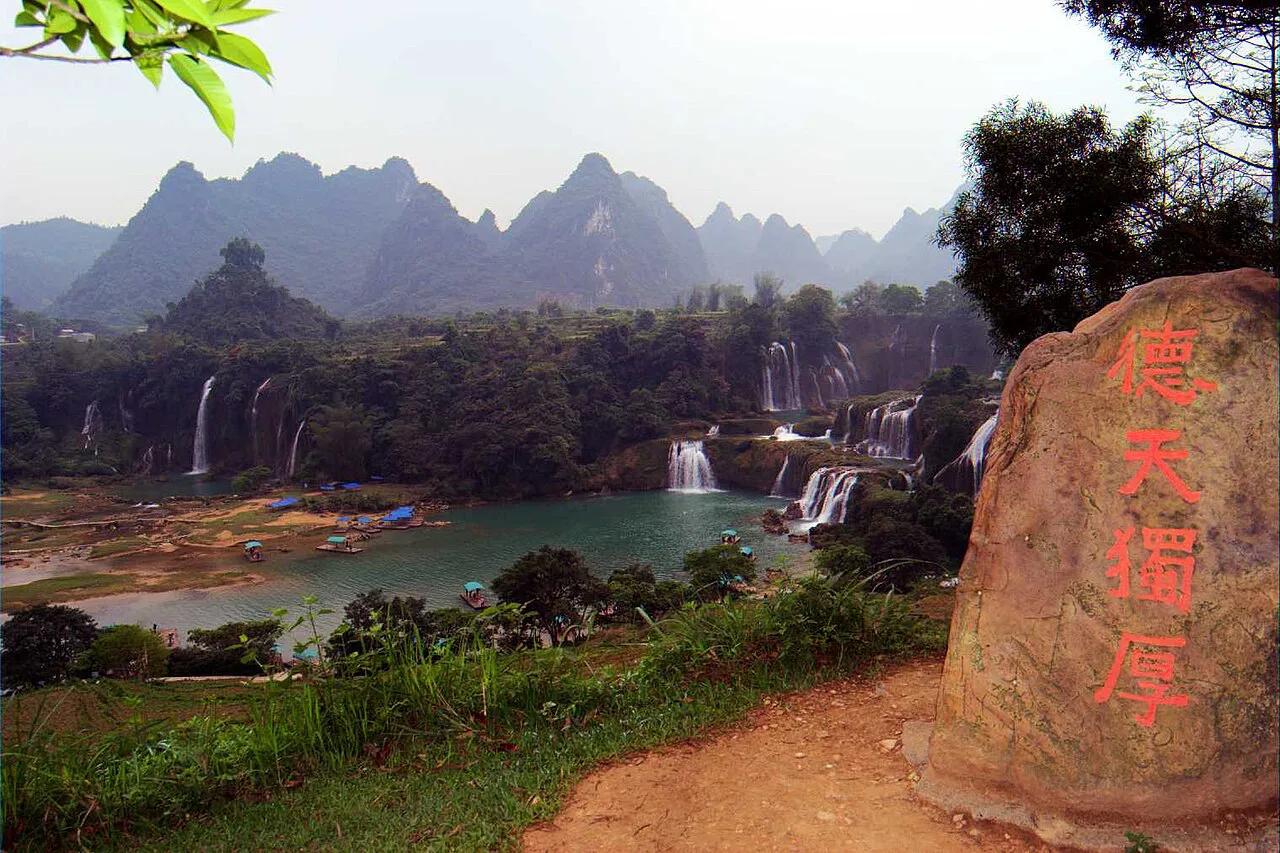
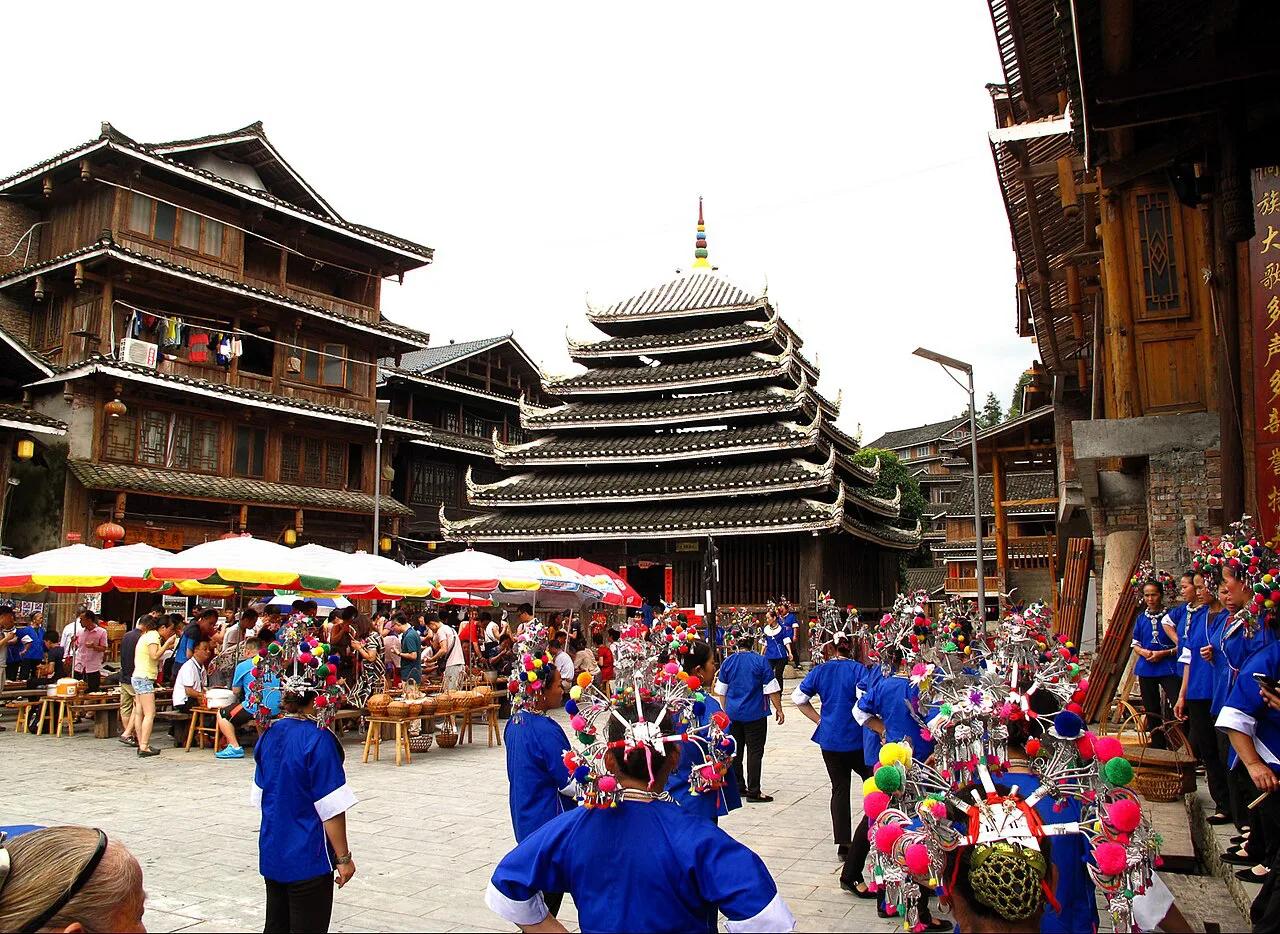
Featured image: N509FZ, CC BY-SA 4.0, via Wikimedia Commons.
When Is the Sanyuesan Festival?
Sanyuesan follows the lunar calendar, so its Gregorian date changes from year to year. People's Daily Online published Xinhua photo captions that put the 2026 festival on April 19. Don't carry that date into another year.
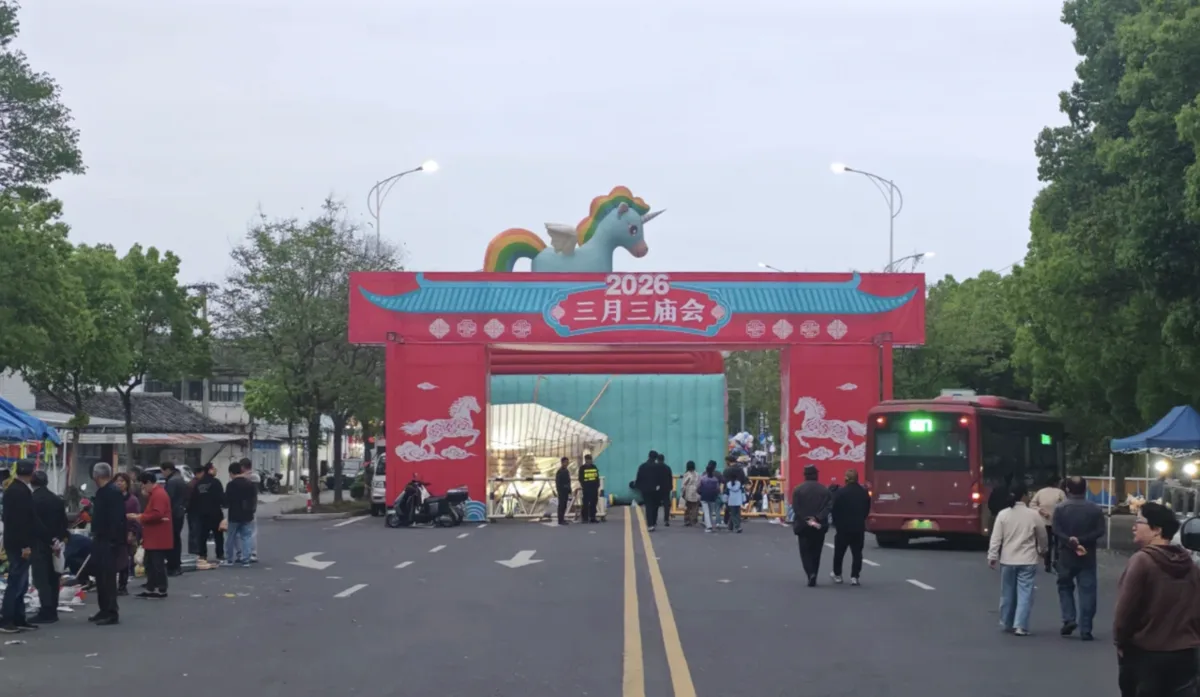
For your next trip, convert the third day of the third lunar month with a reliable lunar calendar or an official observatory. Then look up the event schedule separately. A public programme may not match the lunar date, and any holiday dates need their own current Guangxi government notice.
- Festival date: the third day of the third lunar month
- Past example: April 19, 2026
- Event dates: use the current organizer's or local culture and tourism office's notice
- Holiday dates: use the current Guangxi government notice
What Does Sanyuesan Mean to the Zhuang People?
Singing is central to one well-known strand of the festival. A China Daily page for Hechi, dated 2024 and credited to the city government, links the day to a “song market.” In this tradition, people gather to sing and celebrate.

Its account also describes Zhuang worship of ancestors and nature deities alongside harvest celebration. Singing, dancing, swimming and martial arts appear among the day's activities. These express reverence for ancestors and gratitude to nature, according to the same page. Treat that list as cultural background, since it doesn't tell you what any particular village or city will stage.
Marriage customs form another connection. Some Zhuang people in specific areas hold weddings on this day. That local practice shouldn't be read as a rule for every Zhuang family.
Our guide to Zhuang people and culture gives you more context. Sanyuesan isn't exclusively Zhuang. Xinhua describes it as a traditional festival of various ethnic groups in China, and their customs shouldn't be assumed to match.
Legends and Proposed Origins
No single story here should be treated as the proven beginning of Sanyuesan. Legend, worship traditions and a proposed link to an older festival answer different questions about its meaning.
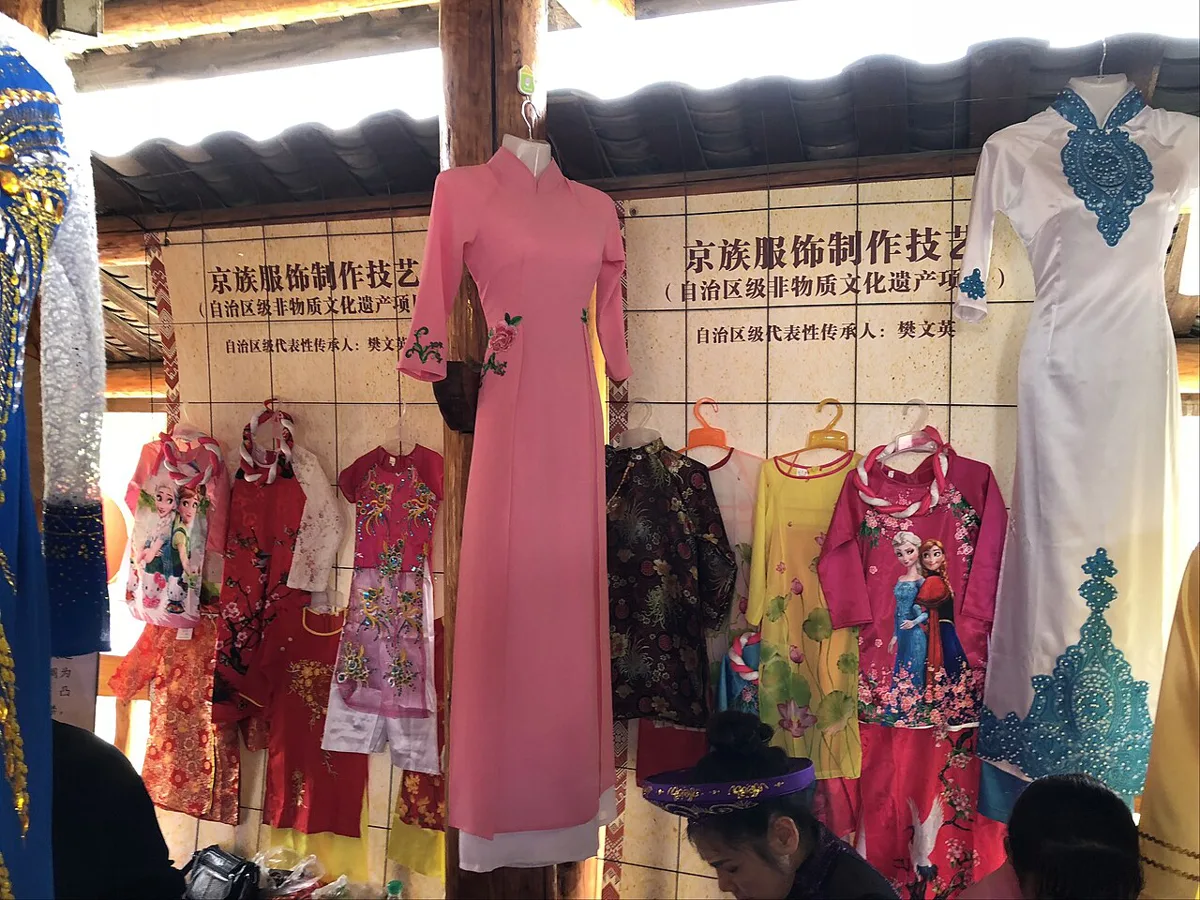
Liu Sanjie is a legendary singer held in high regard by the Zhuang. Her songs praised labor and love and exposed wrongdoing by the wealthy. In the version told on the Hechi page, she was gathering firewood on a mountain on the third day of the third month. A wealthy landlord's henchmen cut the vines she was holding, and she fell to her death. People then gathered on that day to honor her through song. Read this as a legend that gives the song tradition emotional meaning, rather than as documented biography.
Ancestor and nature worship offer a second way to understand the day, tied to gratitude and the harvest. A third account traces the festival to the ancient Chinese Shangsi Festival.
That origin is described as a belief. According to the same account, Shangsi was established during the Han dynasty, dated there to 206 BC–AD 220. During the Jin dynasty, AD 266–420, its activities came to include spring outings, waterside banquets and drinking. Those older activities aren't a guide to what you'll find in Guangxi today.
How Is Sanyuesan Celebrated in Guangxi?
Think of traditional practices and staged events as two overlapping subjects. Song gatherings, worship and harvest celebration help explain Zhuang associations with the day. A public programme shows only what one organizer or locality presents on a particular occasion.
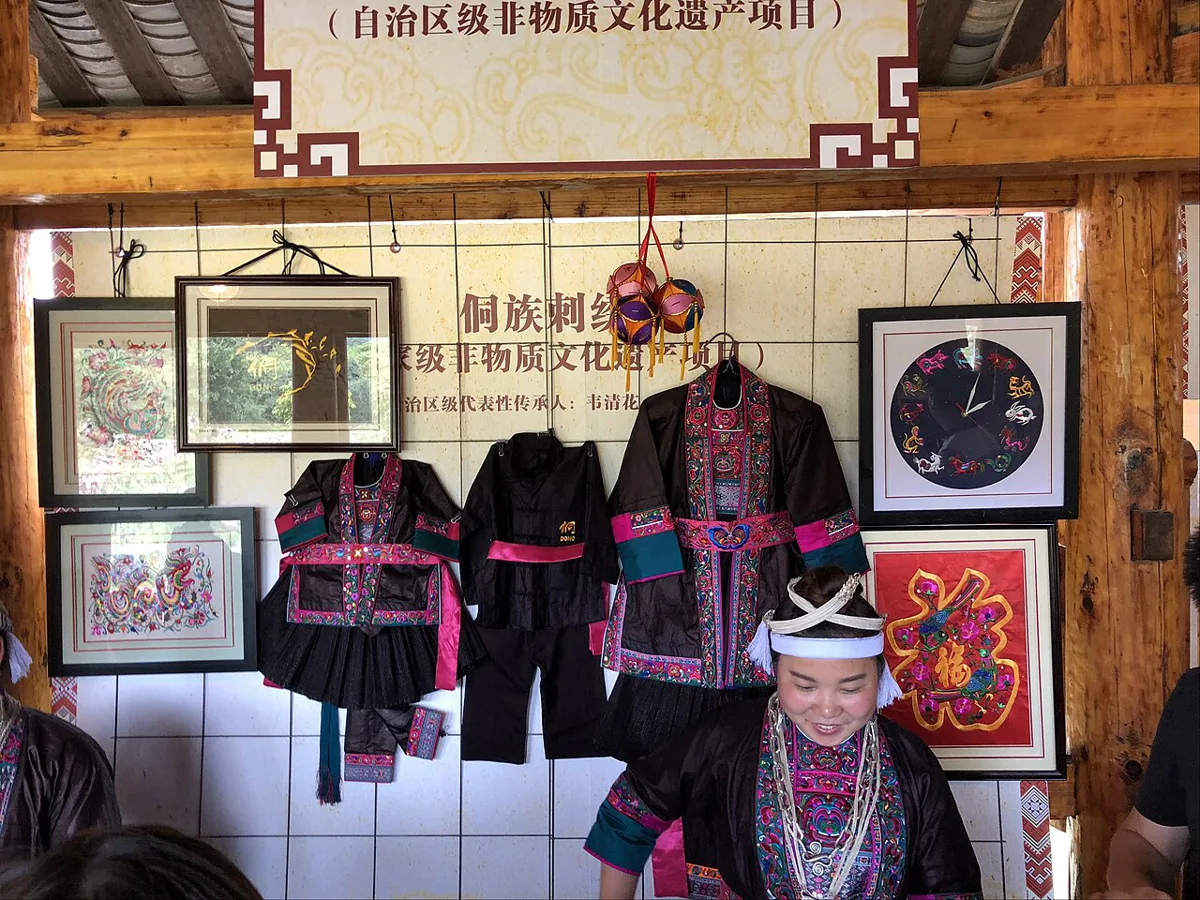
Xinhua's captions give dated examples from April 19, 2026. In Nanning, they record actors performing, people watching folk dance and performers flying powered paragliders. In Rong'an County, part of Liuzhou, people performed a dragon dance. An aerial photo also shows a festival event in the county.
These scenes are useful for picturing the range of public celebration in 2026. They don't establish that either place will repeat an activity. Nor do they identify a venue or visitor arrangements.
Keep local customs local, too. Celebrations elsewhere in China may share the festival's name or date while presenting different activities. Don't expect something seen in another province to appear in Guangxi.
Where Should You Experience It?
Start with the kind of day you want, then find a current programme that supports it. Nanning is a sensible city to research first because it has the 2026 performance examples above. For a county search, Rong'an has its own 2026 example. Hechi's song legends offer cultural background, but they don't confirm a visitor event there.
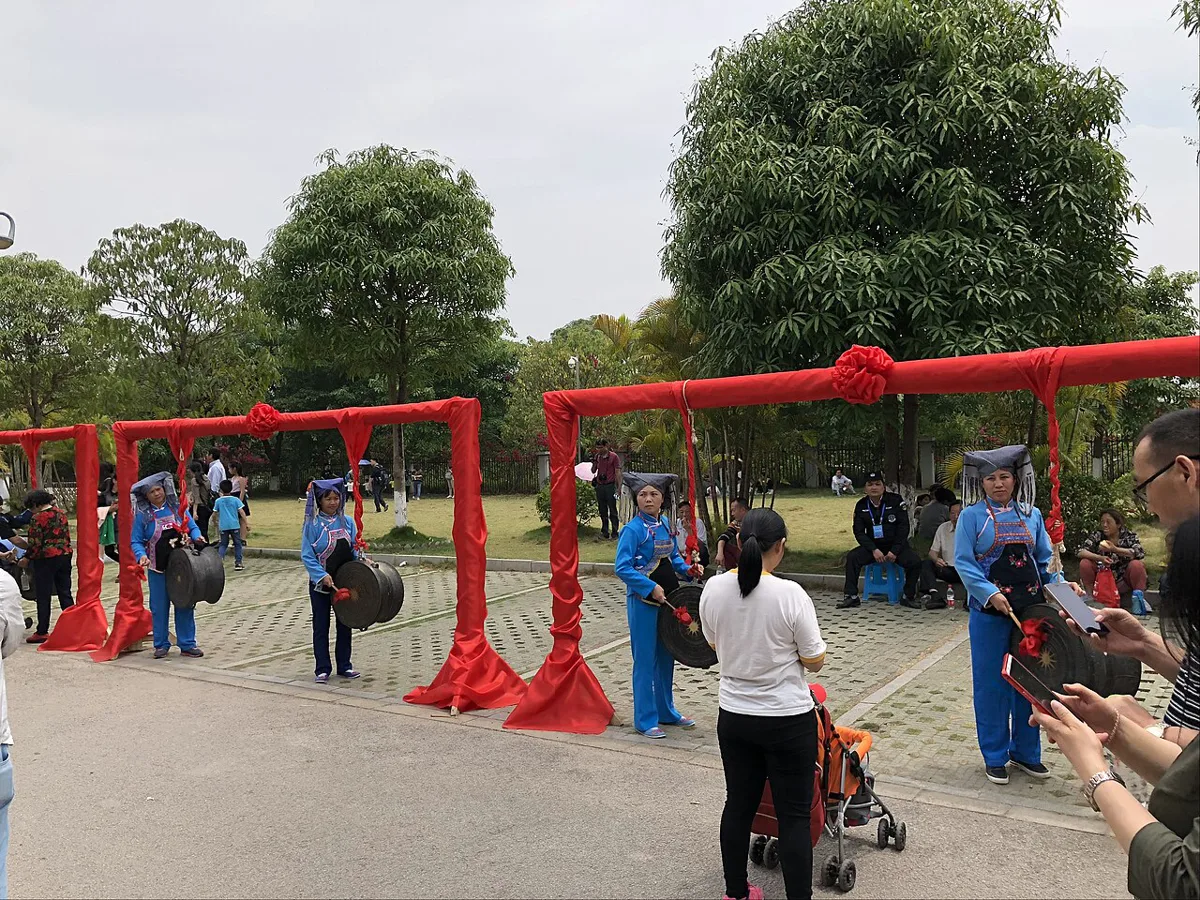
April 19, 2026 was the date of the Nanning and Rong'an examples, so they show what one day looked like, not a repeating programme.
Use these options as planning starting points. None is automatically more traditional, cheaper, easier or less crowded.
| Option | Why you might choose it | Trade-off to examine | Before booking |
|---|---|---|---|
| City programme, starting with Nanning research | Potentially an easier base if the venues are accessible | Venues may be spread out, and performances may be staged | Exact venues, schedule and local transport |
| County or township programme, such as in Rong'an or Hechi | A more local focus if the programme supports it | Return transport, lodging and language support | Confirmed public event and return route |
| Organized tour | Less independent coordination | Total price, inclusions and flexibility | Confirmed event access and cancellation terms |
- First visit: favor a published programme with a clear meeting point and a workable return.
- Culture-focused trip: look for organizers who explain which community and local tradition an event represents.
- Tight itinerary: skip it if no confirmed event fits your dates and route.
How to Plan Your Visit
Our editorial advice is to size your stay around one confirmed programme and its travel time. A single event may suit a short trip if you can get there and back comfortably. Add time only when another confirmed activity gives you a reason. If the schedule is still unpublished, keep reservations flexible.
For admission, tickets and opening hours, use the current organizer notice or the local government's culture and tourism notice. Budget separately for admission, optional activities, local transport, lodging and any tour fee, without assuming a public celebration is free.
Choose lodging after you know the venue and your way back. Wait to buy nonrefundable travel until both the place and date are published.
- Entry: ask about tickets, reservations and entrance rules.
- Arrival: get the exact venue and look for road or traffic controls in local government or transit notices.
- Return: identify the last workable service with the transport operator.
- Access: ask the organizer about step-free routes, seating and other mobility needs.
- Tours: get the total fee, inclusions, change terms and event access in writing.
Visitor Etiquette and Mistakes to Avoid
A public performance differs from a family observance, ritual or community gathering. Don't assume you may enter, join or photograph a private or ceremonial activity. As general travel etiquette, ask before taking close-up photos or participating. Follow instructions from organizers and hosts, and accept a refusal without pressing.
Good preparation also means keeping dates and places precise. Before you commit, rule out these common planning errors.
- Reusing a previous year's Gregorian date or programme
- Treating activities from Yunnan or another province as Guangxi customs
- Applying one county's programme to the whole region
- Booking from a news photograph without a current organizer notice
- Presenting the Liu Sanjie legend or a proposed origin as settled history
- Assuming every ethnic group celebrates Sanyuesan in the same way
Notes for your Guilin trip
Optional updates to our guides.
Also worth reading
Keep planning
More guides you'll find useful