Zhuang People of Guangxi: Culture and Visitor Guide
Who are the Zhuang people? Learn their Chinese name and link to Guangxi, then compare two Nanning museums and Longji Old Zhuang Village.
Last updated November 2026: the Zhuang people (壮族, Zhuangzu) are one of China's ethnic minorities, and their main home area is Guangxi in southern China. Their name is part of the Guangxi Zhuang Autonomous Region, home to several ethnic minority communities, so a Guangxi resident isn't necessarily Zhuang.
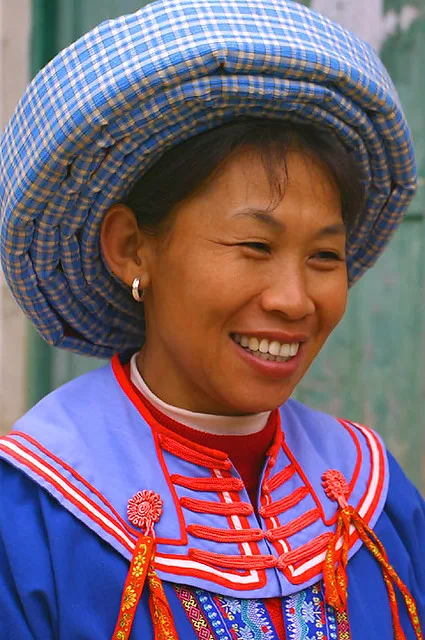
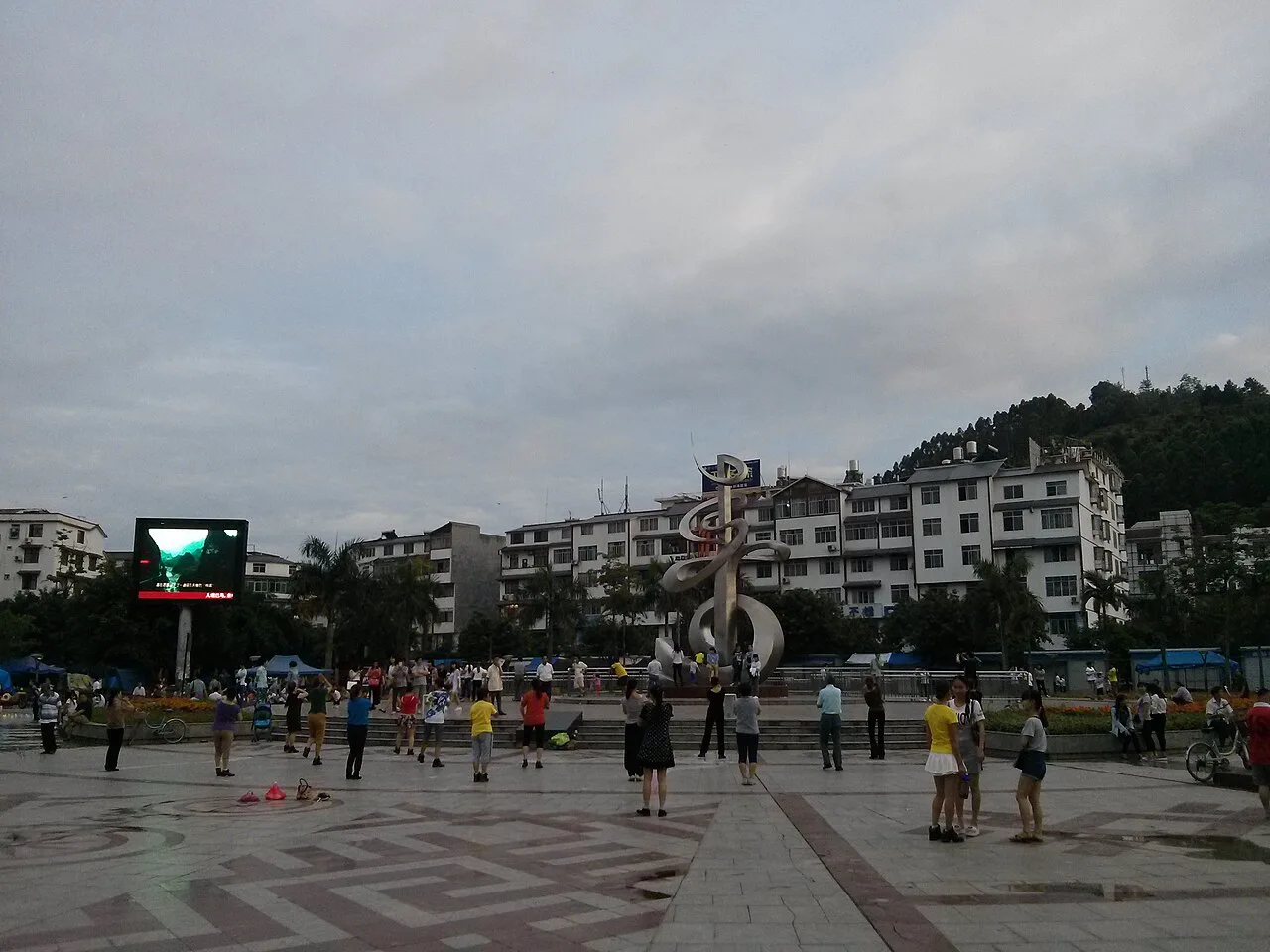
Featured image: Gary Todd, CC0, via Wikimedia Commons.
Who Are the Zhuang People?
In Chinese, 壮族 names the group: 壮 is read Zhuang, and 族 here means an ethnic group. You may also see the English terms Zhuang ethnic group or Zhuang minority.
"Minority" describes a group's place within China's national population. It doesn't mean that its communities are small, or that they're outsiders where they live. Population totals change between counts. When you quote one, use China's National Bureau of Statistics and give the census year.
Where Do the Zhuang Live?
Guangxi is the place to start, and its full official name explains why you'll often see the two words together. An autonomous region is a province-level division of China. This one's title specifically names the Zhuang.
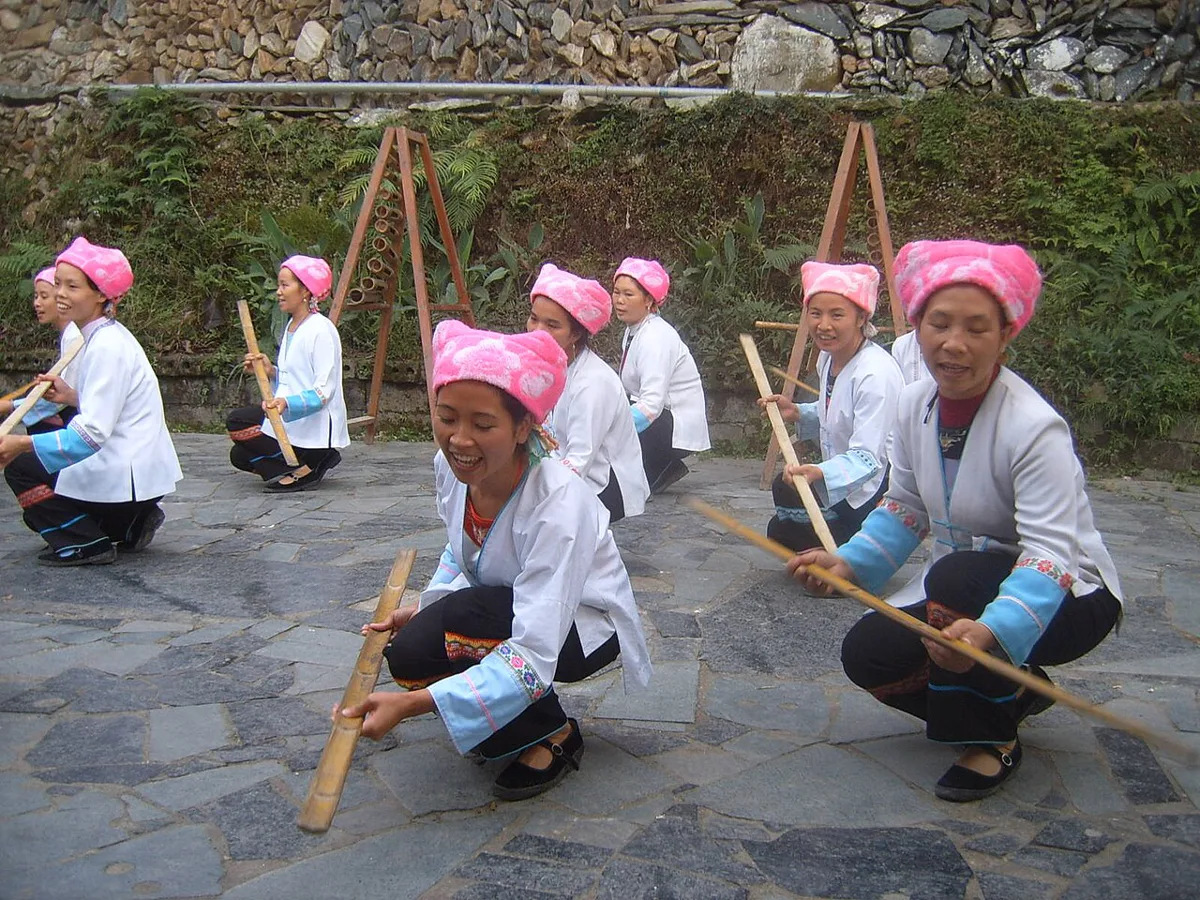
Keep two ideas separate as you read or travel. Guangxi is a political region with a mixed population, while Zhuang is an ethnic identity. A home address, a local accent or a style of dress can't tell you how someone identifies. Nor should Guangxi's role as the main home area suggest that Zhuang life stops at its boundary.
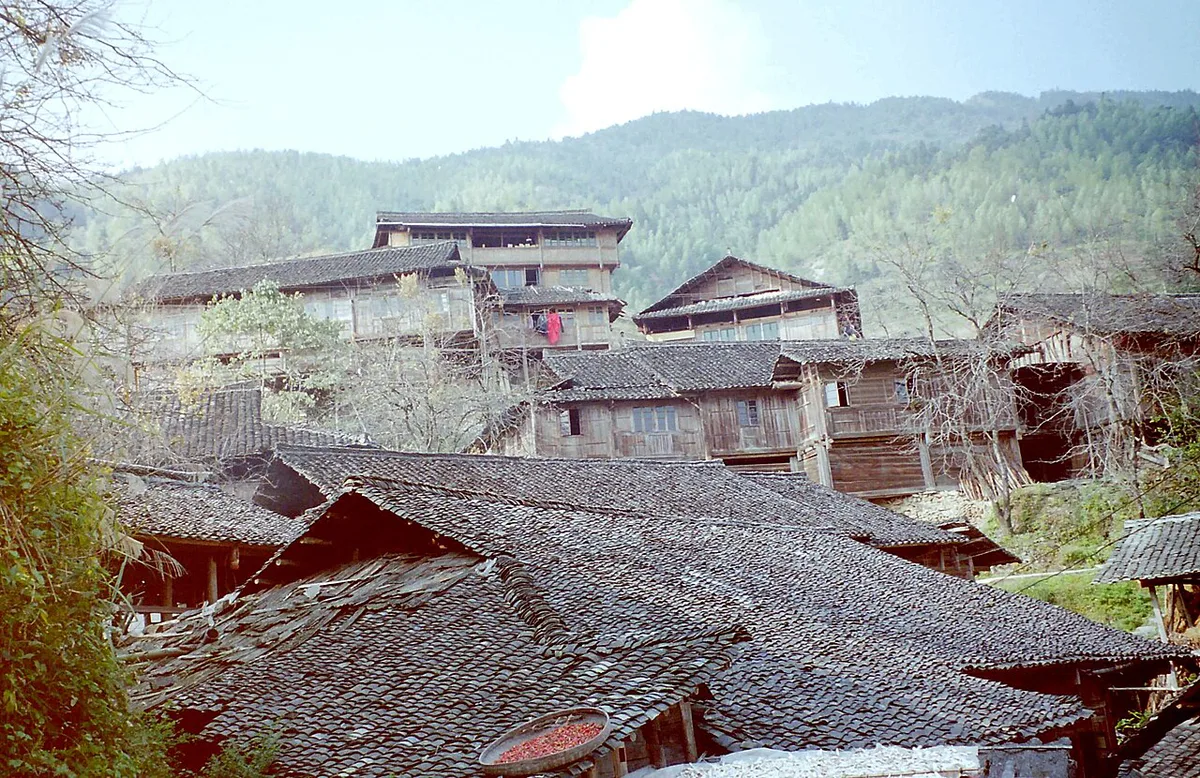
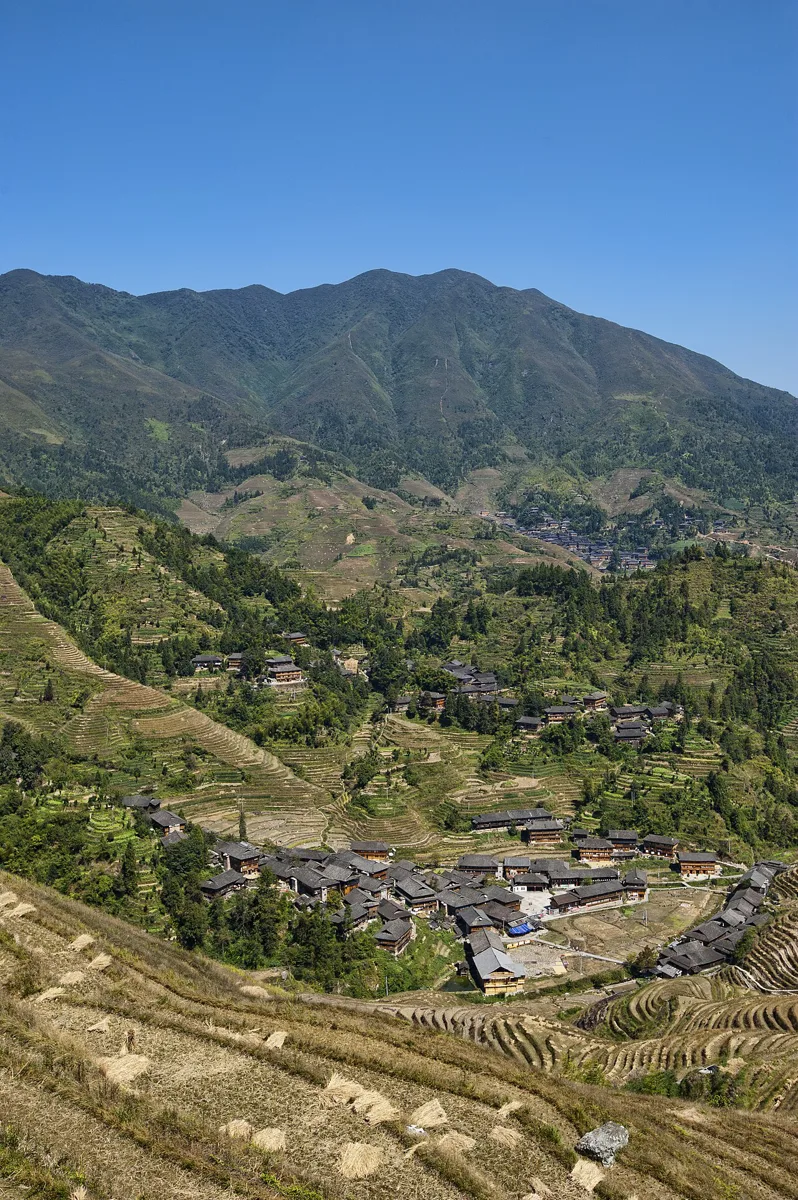
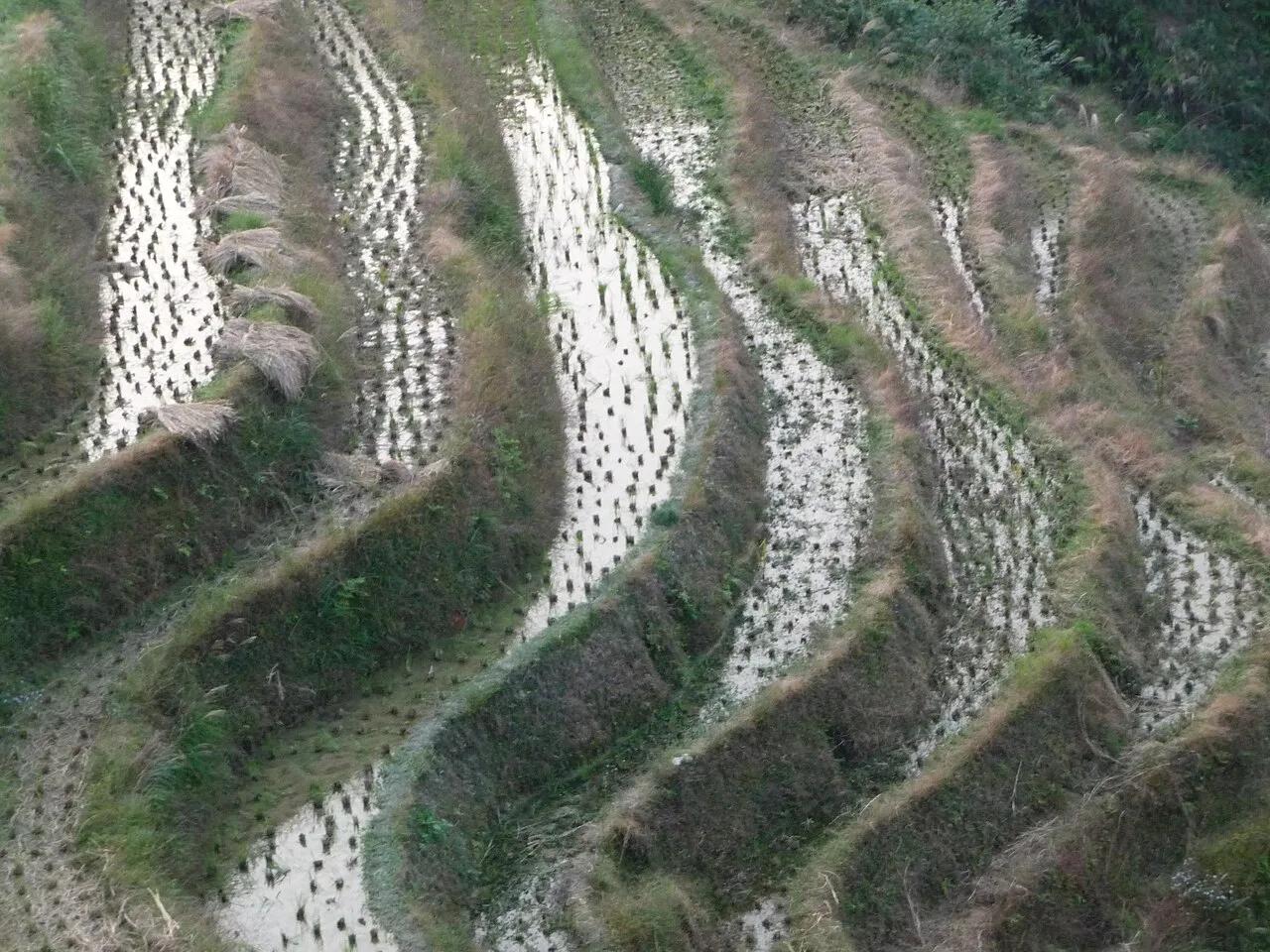
Villages are only part of the picture. Zhuang identity isn't tied to farming or rural housing, and a terrace landscape shouldn't stand in for everyday life across a whole group. Treat each village account as evidence about that community.
Zhuang Language and Cultural Expression
Zhuang identity and language ability are separate questions, so don't assume what someone speaks at home. If speech or writing is your main interest, look for university or academic linguistics work that identifies the local variety, writing system and period studied.
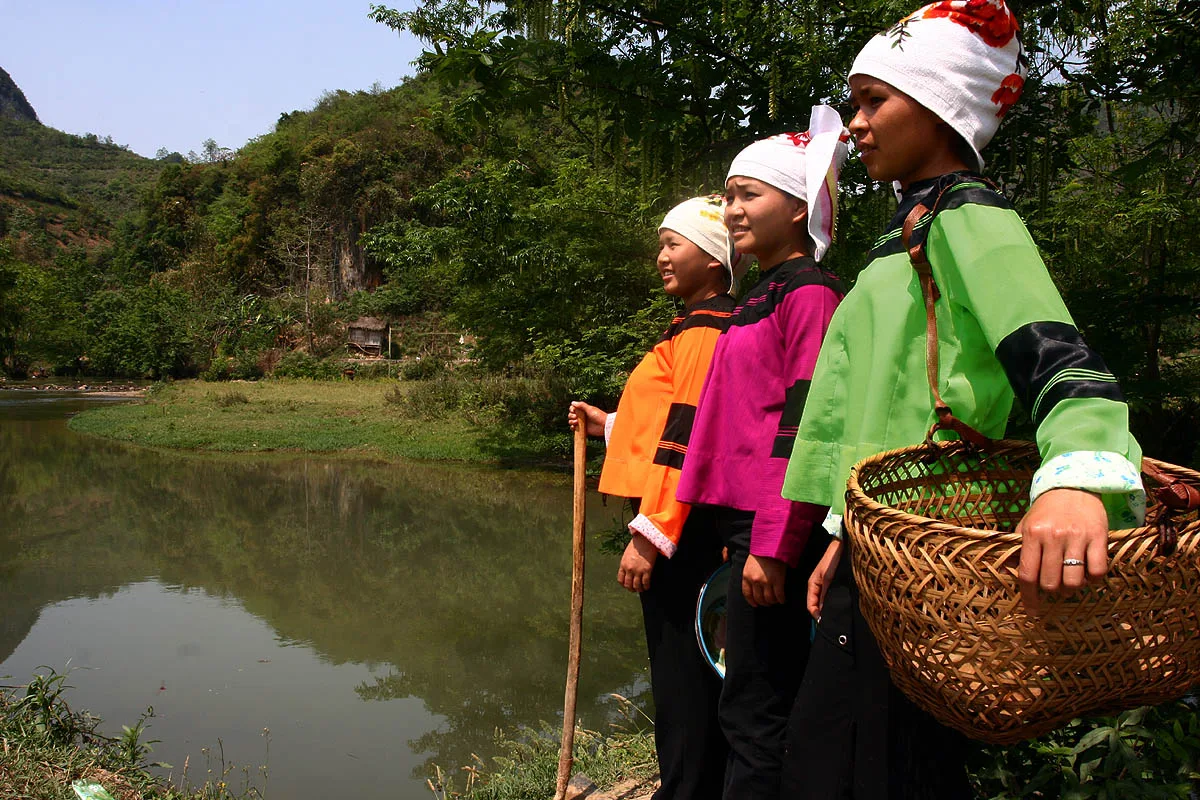
Apply the same test to songs and oral histories. A useful account tells you who performed the material, where it was recorded and when. It should also say whether you're reading about household practice, a community gathering or a staged program.
Watch for mix-ups between neighboring cultural topics. UNESCO's listing for the Grand Song tradition names the Dong ethnic group, so don't present it as Zhuang heritage.
Festivals, Living Traditions and Everyday Life
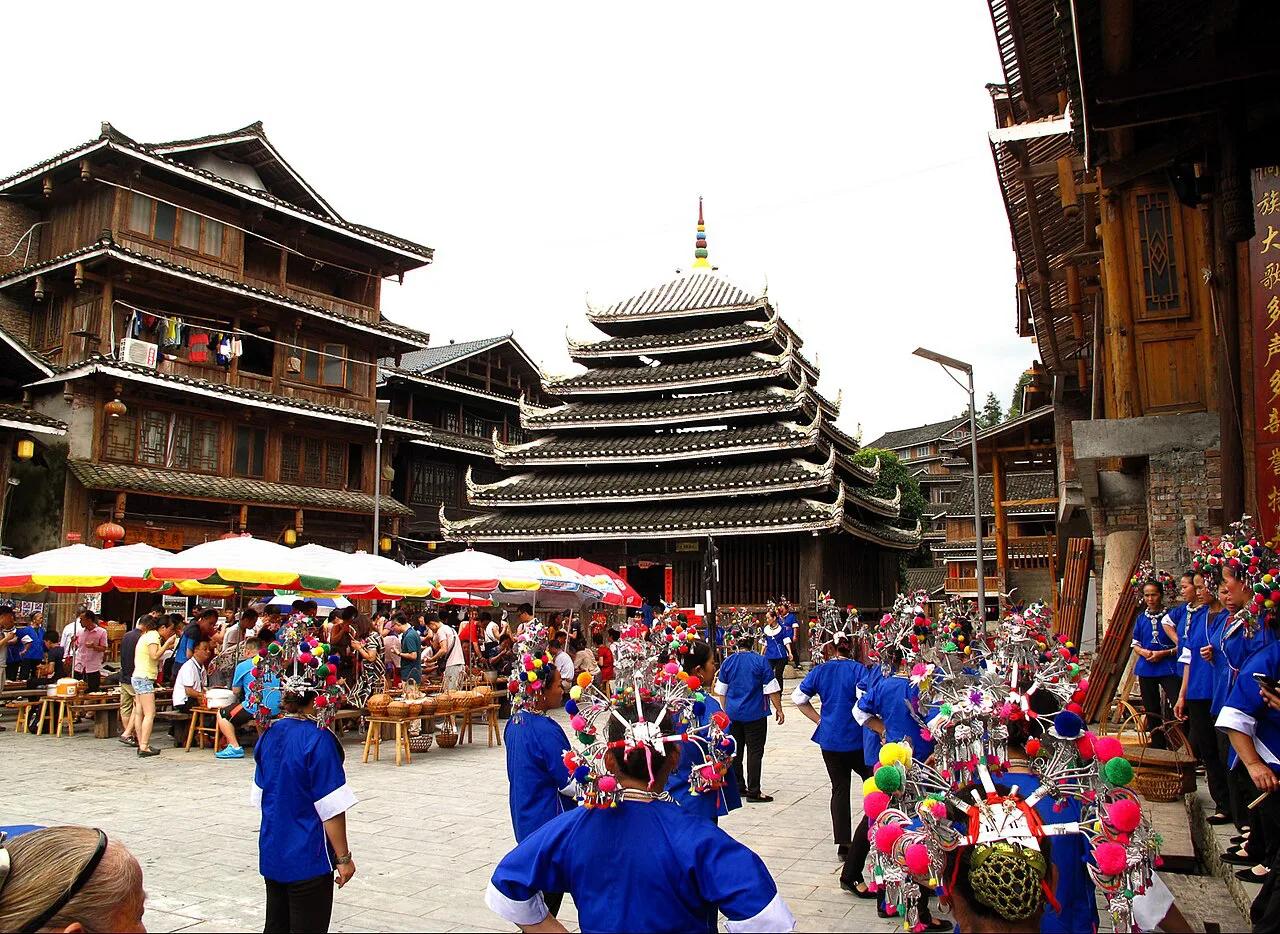
Festival customs can differ between places, and a public program may show only part of what residents do. Sanyuesan, written 三月三, is a name built around "third month" and "three." Our guide to Sanyuesan celebrations covers the festival separately.
Before planning around any celebration, get the current year's date and venue from its organizer. Find out whether outsiders may attend and how you'll get back afterward. Don't book nonrefundable travel around a date taken from an earlier year.
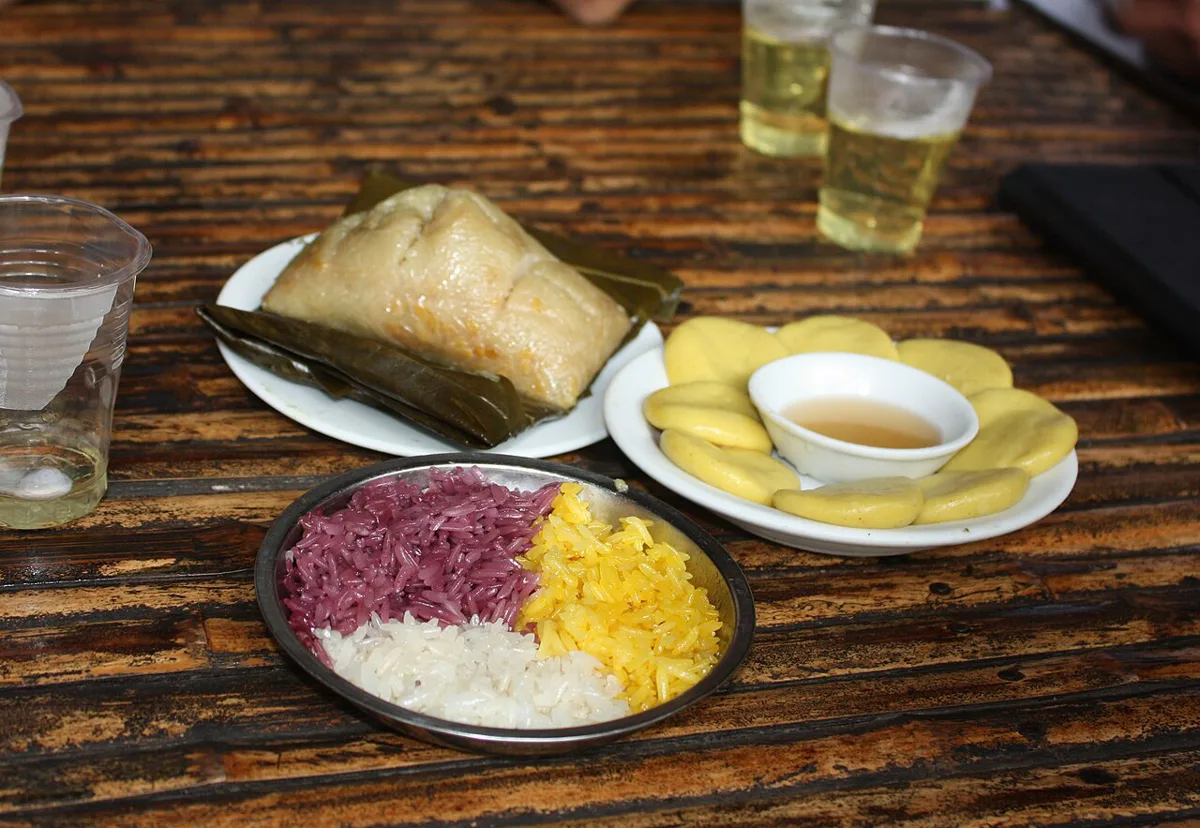
Food and household routines deserve the same local detail. A dish served in one village is a good reason to ask about that village's cooking. It isn't proof of a diet shared by every Zhuang family. Everyday life also includes the present, so don't expect residents to dress or behave like performers.
Where to Learn About Zhuang Culture in Guangxi
You can start indoors in Nanning or visit a place identified by name as a Zhuang village. Prices, hours and entry rules here were checked in November 2026. Neither museum's name guarantees a particular Zhuang display, so look at its current exhibitions if that's your reason for going.
| Option | Best for | Listed adult price | Booking or ticket rule | Main limitation |
|---|---|---|---|---|
| Guangxi Museum of Nationalities, Nanning | Adding an ethnic-culture museum to a Nanning stay | Free | Real-name reservation | Zhuang-specific exhibits need checking |
| Guangxi Museum, Nanning | A museum visit reachable by Metro Line 1 | Free | Booking mainly by WeChat mini program; daily visitor limit | Official page also carries a renovation closure notice |
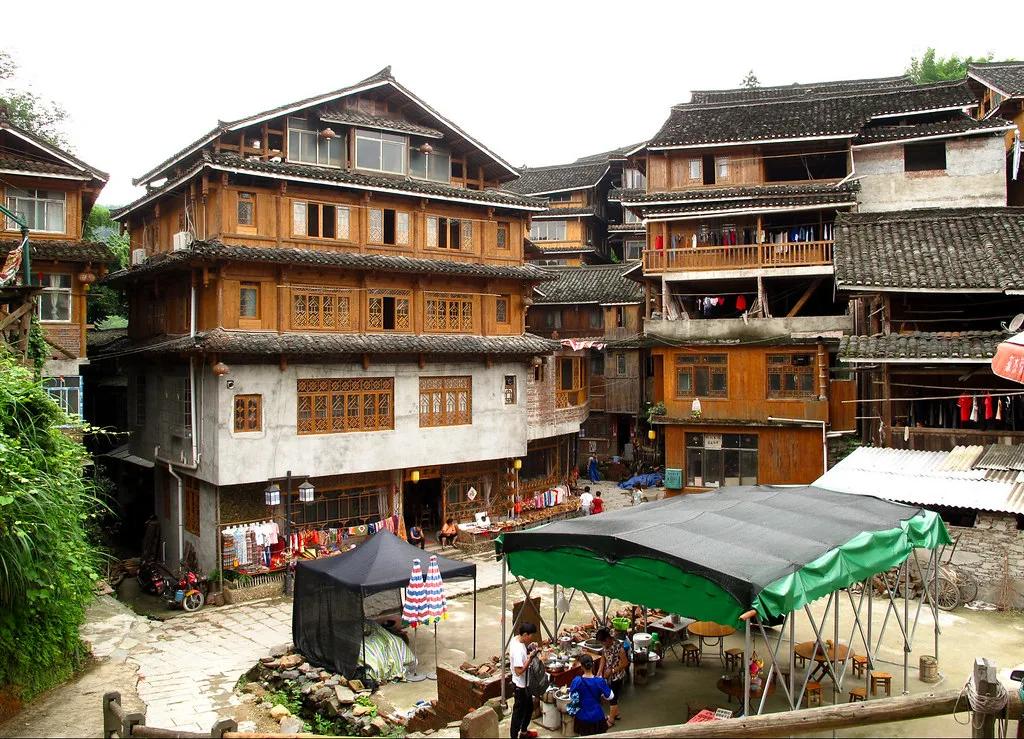
| Longji Old Zhuang Village | Seeing a place-specific Zhuang village setting | ¥80 scenic area full ticket | ID or certificate required for discounts | Transport needs separate planning |
Guangxi Museum of Nationalities: Hours and Booking
Admission is free at No. 11 Qinghuan Road in Nanning's Qingxiu District. Opening hours are 9:30–17:00, Tuesday to Sunday, with an exception noted for statutory holidays. Ticket checks stop at 16:15, and staff clear visitors at 16:45. Plan around those earlier times rather than the 17:00 closing time.
You need a real-name reservation. Book through the museum's official WeChat account or the Meituan app, which serves as a third-party option. Its government listing suggests arriving by car.
Guangxi Museum: Status, Booking and Transit
Check current status first. A government listing says this museum was closed for renovation and expansion, with reopening expected in 2023. That same page gives free admission and Tuesday-to-Sunday hours of 9:00–17:00. It lists closures on Mondays and under special circumstances.
For transit, take Metro Line 1 to Minzu Square (民族广场) and use Exit B. The address is 34 Minzu Avenue (民族大道34号), Nanning. Because daily visitor numbers are limited, book ahead.
- Main booking route: follow the 广西壮族自治区博物馆 WeChat official account, open 悦·互动, then tap 我要预约.
- Other ways to reach booking: scan the code from the website's 预约 button, or scan the code at the entrance.
- Bus routes: 6, 30, 34, 39, 205, 704, B23 or B63 to the 民族古城路口 stop.
- Guided tours: phone booking is available. Visitors with special needs can also call ahead.
Longji Old Zhuang Village: Tickets and Discounts
A ¥80 adult full ticket covers the Longji Rice Terraces scenic area for visitors over 18. The area's main sights include the Longji Ancient Zhuang Village terrace viewing area. Eligible reduced tickets cost ¥40, while groups of 20 or more pay ¥78 per person.
Bring the relevant ID or certificate when buying a discounted ticket. A make-up ticket bought at the checkpoint doesn't qualify for a discount. Allow separately for transport and any guide or lodging you choose.
- ¥40: visitors over age 6 up to and including 18, based on age on the travel date.
- ¥40: full-time students at undergraduate level or below, including those from Hong Kong, Macau and Taiwan.
- ¥40: seniors aged 60–64 on the travel date.
- ¥40: holders of a valid disability certificate at level 4 or below, including level 4.
- ¥40: Longsheng County ID card holders during Spring Festival and National Day holidays.
- Free: children 1.2 m tall or under with a guardian, and seniors 65 or older with valid ID.
- Free: Longsheng County ID card holders outside Spring Festival and National Day holidays.
- Free with valid documents: active military personnel with a support card, active firefighters, disabled revolutionary servicemen, martyrs' family members and people with level 1–3 disabilities.
Choosing a Visit by Time, Budget and Interest
With limited time, compare the full round trip from your lodging, including entry formalities. A museum fits naturally into a Nanning stay. For a Monday outing, don't count on either museum's regular Tuesday-to-Sunday schedule.
On a tight budget, free museum entry compares with Longji's ¥80 adult full ticket. Transport can change the total, especially if you aren't already near your choice.
Independent travel gives you more control over pace. A guided visit may help with language and local context, but ask which language the guide speaks. Also ask what connection the guide has to the community.
Festivals and staged shows need extra screening.
- Public festival: use it when your dates match a current-year schedule. Check the organizer, public access, transport and lodging availability.
- Staged performance: choose it for a fixed-format introduction. Ask which place or tradition it represents, who presents it and what current tickets cost.
- Village visit: confirm the community's identity, visitor access, return transport, language help and whether staying overnight is practical.
How to Visit Zhuang Communities Respectfully
Ask before photographing people, homes or ceremonies, and accept a refusal. Follow posted restrictions and requests from residents. A paid scenic area ticket shouldn't be treated as permission to enter private rooms, yards or family events.
Let people describe their own identity. Clothing, location and tourism advertising aren't reliable shortcuts. When you ask about a custom, try "Is this practiced here?" That wording leaves room for differences between households and communities.
Guangxi reading can also take you beyond one identity. Our introduction to Yao culture treats another group on its own terms. You can read separately about Dong communities and traditions. Another focused option covers Miao people in Guangxi. Don't assume that these groups share a custom simply because you encounter them in related travel material.
Notes for your Guilin trip
Optional updates to our guides.
Also worth reading
Keep planning
More guides you'll find useful