Guilin Osmanthus: What to Taste, See and Buy
Understand Guilin's osmanthus connection, compare tea, sweets, wine and dried flowers, and learn what to look for before buying or planning a flower visit.
Last updated November 2026: Guilin osmanthus is the local face of a fragrant flower (桂花, guihua; Osmanthus fragrans) closely tied to Guilin (桂林). Guilin's name is commonly read as “forest of sweet osmanthus,” and you can taste the flower, look for its blooms or take a product home. Start with tea or a sweet if your time is short, since packaged or prepared food doesn't require catching trees in flower.
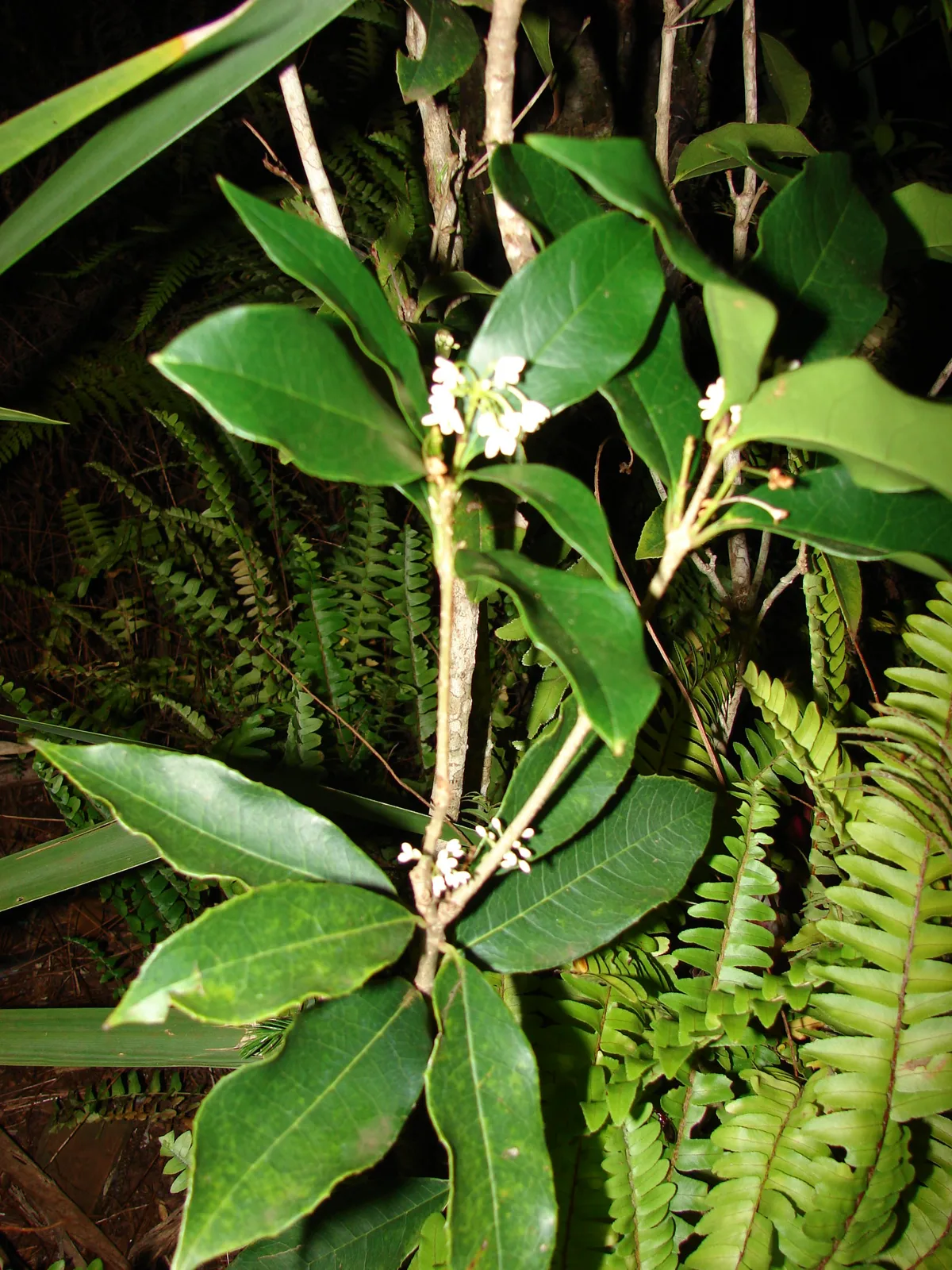
Featured image: Forest and Kim Starr, CC BY 2.0, via Flickr. Resized and converted to WebP.
Why Is Guilin Osmanthus So Closely Linked to the City?
A 2023 China Daily regional report, credited to the Guangxi government's English website, described Guilin as known for abundant osmanthus. It named Lingui District (临桂) as one of the city's main growing areas. As reported in 2023, Lingui had about 100,000 mu of osmanthus trees, roughly 16,500 acres. Golden and silver osmanthus were the main varieties, while four-seasons and red osmanthus played a supporting role. Don't read “four-seasons” as a promise that you'll see flowers on any travel date. Botanically, Osmanthus Fragrans is an evergreen member of the olive family with fragrant flowers. You may also see it called sweet olive or tea olive in English, although it isn't the tree grown for table olives.
How to Taste Osmanthus in Guilin

Osmanthus tea, wine and cake were among the Lingui products named in that 2023 report. It also counted more than 30 flower collection and processing businesses and workshops in the district. That figure describes production, so it doesn't show that any workshop welcomes visitors or sells in central Guilin. Show the Chinese names below when ordering, then ask what's actually in the item. For wider meal planning, use our guide to Guilin food. You can also compare places to eat in Guilin, but ask each one whether it serves an osmanthus item. If you're browsing a Guilin Night Market Guide: Where to Go and What to Eat, treat an osmanthus find as possible rather than guaranteed. Local Youcha in Guilin: What Oil Tea Is and How to Order It is a different drink, so don't order it expecting osmanthus tea.
- Osmanthus tea (桂花茶, guihua cha): Ask whether it's flowers alone or a blend with tea leaves. A tea-leaf base can add caffeine.
- Osmanthus cake (桂花糕, guihua gao): Ask about nuts, sesame, dairy, gluten and any other allergen that matters to you. Recipes can differ between makers.
- Osmanthus wine (桂花酒, guihua jiu): Look for the alcohol percentage on the label. Skip it if you're avoiding alcohol.

When and Where Can You See Osmanthus Blooms?
No dependable current bloom window or confirmed public osmanthus viewing site is established here. Look for dated bloom or park notices through the Guilin municipal government before shaping your day around flowers.

- Don't rely on the season alone: An autumn travel date, including late November, doesn't tell you whether trees are flowering now.
- Don't plan around the trade fair: Lingui hosted a flower and seedling fair in October 2023. That event doesn't establish peak bloom or a yearly visitor festival.
- Keep farms off your route unless invited: Cultivation areas and processors may not offer public access.
- Leave flowers on the tree: Don't pick them without permission, and don't eat flowers you've gathered or can't safely identify.
Which Osmanthus Product Should You Take Home?

Choose by how you'll use the item and how far it has to travel. Dried flowers (干桂花, gan guihua) suit home drinks or desserts when sold as food. Packaged tea is simpler if you only want something to brew. Cake makes sense when you can eat it within its stated shelf life, while wine adds bottle and alcohol restrictions. For a savory food souvenir instead, compare Guilin Chili Sauce: How to Choose, Use and Buy It, remembering that jars bring their own packing limits.
| Product | Best use | Portability | Before packing |
|---|---|---|---|
| Dried flowers | Adding aroma to drinks or desserts | Light, but needs protection from moisture | Food labeling, sealed pack and dried-plant import rules |
| Tea or tea blend | Brewing at home | Usually easy to pack when dry | Ingredient list, caffeine source and import rules |
| Osmanthus cake | Snack or short-term gift | Can crush; fresh versions may spoil | Shelf life, storage instructions, allergens and food import rules |
| Osmanthus wine | A drink or gift for adults who use alcohol | Bottle adds weight and breakage risk | Alcohol strength, airline and security rules, and customs allowance |

What to Look for Before You Buy
A Guilin name on a package or storefront is a claim, not proof of where its flowers grew. Read the label for a stated ingredient origin and producer, which may differ from the seller's location. Luohanguo (罗汉果), often called monk fruit, is a separate product and isn't osmanthus. Don't buy either for promised detox, beauty or medicinal effects. Before flying home, check your destination's customs and agriculture rules for dried plants, food and alcohol. Also read your airline's baggage terms and the security rules for every departure airport, including connections.

- Ingredients: Look for added sugar, flavorings, tea leaves and allergens.
- Origin and producer: Find a named maker and see what the origin statement actually covers.
- Dates and storage: Read the production date, shelf life and storage instructions.
- Weight and price: Compare the yuan price for the same net weight. For bottles, compare volume and alcohol strength.
- Packaging: Choose intact, sealed, labeled packs, especially for food you'll carry across a border.
Should You Taste, Buy or Make a Flower Trip?

On a short stay, fit tasting or shopping around plans you already have. A separate flower outing makes sense only after you have a named public site, current bloom information and a workable route there and back. Without all of those, don't add a Lingui detour just because the district grows osmanthus. Your practical next step is to save the Chinese product name you want and decide which ingredients you need to avoid.
| Goal | Best for | Time commitment | Cost driver | What it depends on |
|---|---|---|---|---|
| Taste | Curious eaters on any itinerary | Can fit around a meal or snack stop | Item and portion | A seller currently offering it; ingredients that suit you |
| Take home | Travelers wanting a food gift | Time to compare labels | Product, quantity and packaging | Shelf life and transport rules |
| Flower outing | Travelers who put seeing blooms first | Varies with the site and route | Transport and any admission charge | Public access and flowers being in bloom |
Frequently Asked Questions
What are osmanthus flowers good for?
For travelers, their clearest use is adding fragrance to food and drinks such as tea, cake and wine. Lingui's reported products also included osmanthus essential oil, which isn't a food. Don't treat culinary use as evidence of a health benefit.
What does osmanthus smell and taste like?
Its scent is floral and often compared with ripe apricot or peach. Flavor depends heavily on the recipe, because sugar, tea leaves or alcohol can change what you notice. Don't expect every osmanthus product to taste like fruit.
Notes for your Guilin trip
Optional updates to our guides.
Also worth reading


Keep planning
More guides you'll find useful