Lingqu Canal Guide: History and Visiting from Guilin
Understand Lingqu Canal in Xing'an, what to look for, and how to plan transport from Guilin, visit time, tickets and a possible boat ride.
Last updated November 2026: Lingqu Canal 灵渠 in Xing'an 兴安 County is a Qin-era waterway linking the Xiang 湘江 and Li 漓江 river systems, and so the Yangtze and Pearl basins. In our editorial assessment, it's worth visiting from Guilin for history or engineering, but a weaker choice if you mainly want a Li River karst cruise. Before leaving, confirm your entrance, last admission, boat operation and return ride.
Featured image: Farm, CC BY 3.0, via Wikimedia Commons. Resized and converted to WebP.
What Is the Lingqu Canal and Why Was It Built?
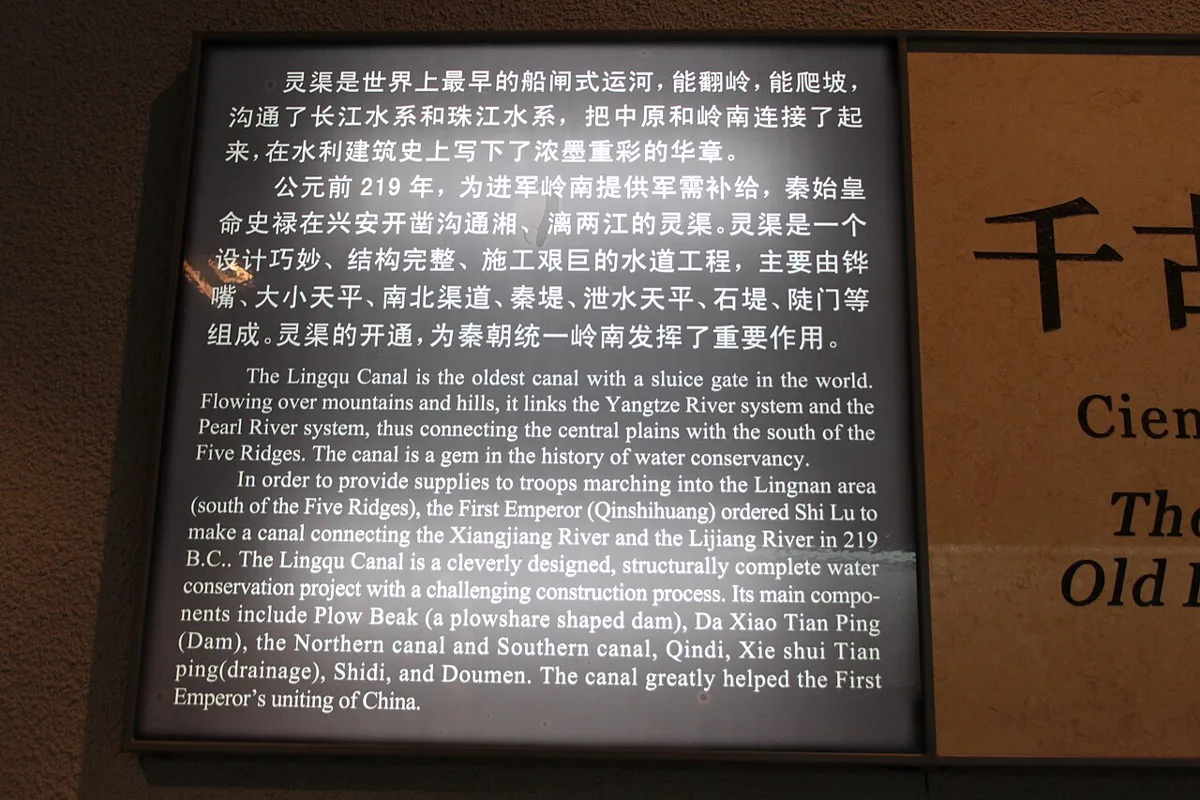
China Daily published an Ecns.cn interview in 2022 with Chen Xinghua, a former deputy curator of the Xing'an County Museum. It dates the canal to 214 BC, which makes it more than 2,000 years old. Chen says its original job was moving grain for Qin military campaigns against the Baiyue peoples in the south.

Xing'an sits in northern Guangxi, between the Dupang and Yuecheng mountains of the Five Ridges. By joining the Xiang and Li, the canal created a water route between central China and the lands south of those ranges. In Chen's account, Ling refers to ingenuity. He gives the canal's length as 37 km, so don't assume one scenic-area visit covers the whole waterway.
Chen also connects this inland channel to the ancient Maritime Silk Road. His case rests partly on its river links toward the Pearl River Estuary and the old port of Hepu. He also cites Han and Tang dynasty figurines of foreign people found along its banks. Treat this as his historical interpretation. Lingqu was not a seaport, and Chen says the routes foreigners used to enter mainland China remain unclear.
China Daily's interview also records a 2018 inclusion on what it calls the World Irrigation Project Heritage List. Don't read that as UNESCO World Heritage status.
How the Lingqu Canal Works and What to Look For
Focus on how the works manage water and boats. Chen describes 36 steep gates, called doumen, that opened and closed to control water levels for boats crossing the high ground. That historical count doesn't mean all 36 survive, work or are open to visitors.
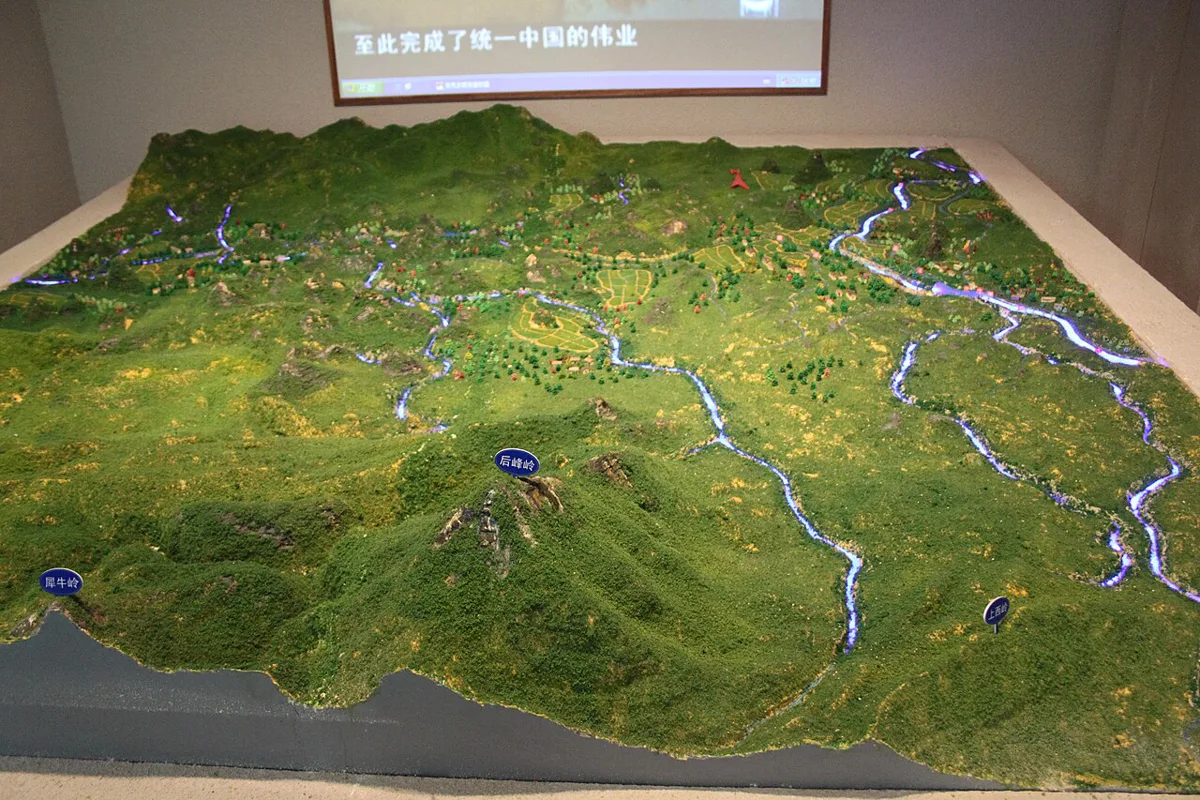
He also describes a curved channel that lengthened the route and eased its slope for navigation. A separate water-release structure sent surplus floodwater into the Xiang. Chen says the canal's works still have practical roles. Current uses named in the interview include irrigation, flood discharge, adding water to the Li River and tourism. His statement that it remains open to shipping doesn't establish a passenger trip along its full length.
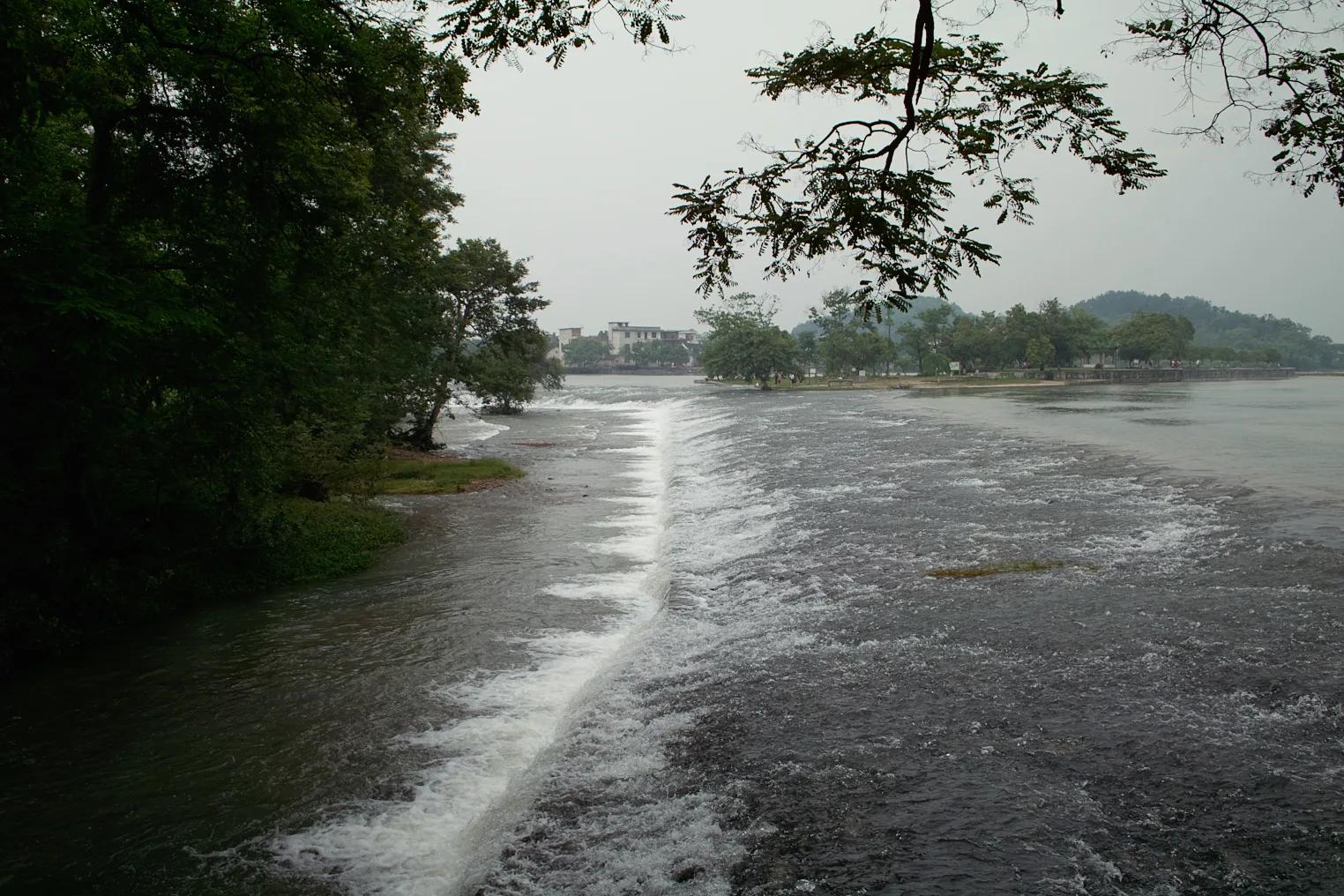
Traveler posts on Trip.com use the names Huazui and large and small Tianping for the core water-dividing works. They describe a split of 70% toward the Xiang and 30% toward the Li. Ask at the entrance which of these works your ticket and route include.
| Feature | What it does | Can you see it on a visit? |
|---|---|---|
| Herringbone dam | Part of the works at the canal's head | Ask whether your route reaches the canal head |
| Water-release balance | Sends surplus floodwater into the Xiang | Ask where the public viewing point is |
| Doumen, or steep gates | Control water levels for boat passage | A Trip.com traveler describes a doumen boat ride; current access is unconfirmed |
| Curved channel | Lengthens the route and eases the slope | Which sections show this clearly is unconfirmed |
Is the Lingqu Canal Worth Visiting from Guilin?
Choose Lingqu if you enjoy working out why a dam, gate or bend sits where it does. If scenery comes first, compare it with other 7 Day Trips From Guilin: How to Choose the Right One before committing. For a short stay, set aside the 2–3 hours suggested on Trip.com, then add both directions of travel and any waiting.
If an old-town outing sounds more appealing, consider Daxu in Lingchuan County separately. You can also weigh a Huangyao old-town trip as another choice. Neither suggestion means it fits into the same day as Lingqu.
| Your priority | Reason to go | Trade-off | What to check |
|---|---|---|---|
| History or engineering | Qin origins and water-control works | Some features need explanation | Which works your route reaches; guide or commentary language |
| Scenery first | Canal-side walking and bridges | Not a substitute for a Li River karst cruise | Walking route and boat section |
| Traveling with children or older relatives | A traveler recommends the narrated boat ride for both | Comfort and access are not established | Steps, surfaces, water edges, boarding, seating and toilets |
| Short Guilin stay | A focused history outing | Travel adds to sightseeing time | Both transport legs and last admission |
How to Get to Lingqu Canal from Guilin
For a rail trip, search services from Guilin to Xing'an on China Railway 12306. One Trip.com traveler post gives about 20 minutes for a direct train from Guilin North to Xing'an North. That post adds a 10-minute taxi ride after leaving the station. Check the station pair, current timetable and fare for your travel date.
Those 2 ride estimates are not a door-to-door time. Guilin North is in the city's north, where Diecai District meets Lingchuan County. Allow separately for reaching it from your hotel, station procedures, waiting and finding a taxi. Save the entrance name in Chinese, and settle your return train before heading out.
A car or hired driver avoids arranging the station-to-entrance leg. Compare the whole round trip rather than assuming either method is faster or cheaper.
- Rail and local transfer: compare train times, both local rides, passport details for booking and the return connection.
- Car or hired driver: agree on the exact entrance, waiting time, pickup point, parking charges, tolls and total return price.
How Long to Spend and Whether to Take a Boat
Start with 2–3 hours for sightseeing, the duration suggested on Trip.com. It doesn't establish whether boat queues or a cruise fit inside that window. One traveler post describes a boat ride of about 40 minutes with commentary. Don't assume every departure follows that route or length.
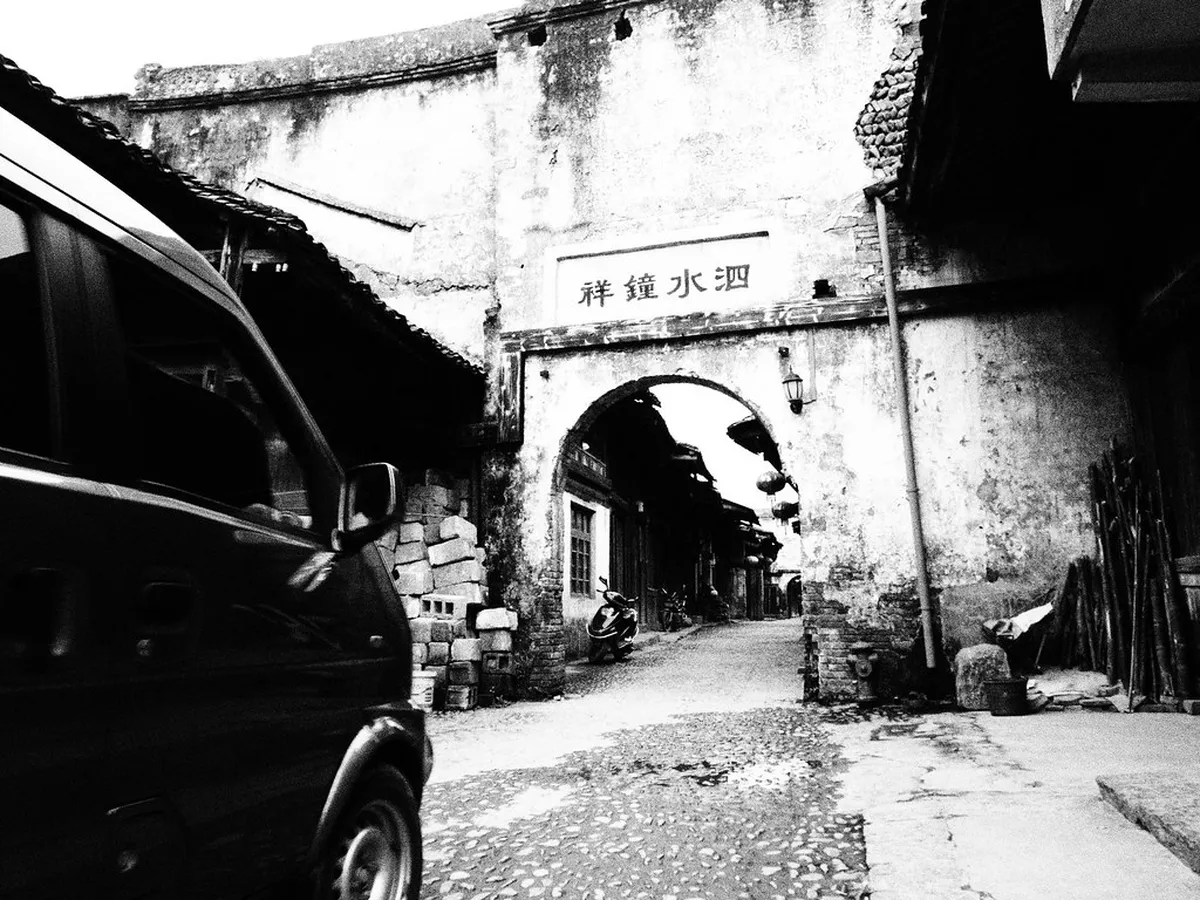
Boat references also mention the doumen, the North Canal and Lingqu Water Street. These may not describe the same trip. Ask for the departure point, finishing point, duration, commentary language and whether scenic-area admission is included.
Begin by asking which entrance gives access to the water-dividing works you want to see. Next, fit any boat departure around that walk. Leave Water Street for afterward if its location works with your exit and return transport.
- Land-based visit: better if you want to control your pace around the water works; confirm which sections require admission.
- Visit with a boat: adds a view from the water; check the extra time, fare, covered section and whether boats are operating.
Lingqu Canal Tickets, Opening Hours and Pre-Visit Checks
Trip.com lists opening hours of 08:30–17:00, as read in November 2026. It also gives 17:00 as the cutoff for tickets and admission. Treat those times as provisional, and ask the scenic-area operator about seasonal changes and last entry before setting your arrival time. Its address listing is Shuangling Road in Xing'an County; match that address to your intended entrance.
Budget admission, boating and transport separately unless a ticket explicitly combines them. For the current gate fare and boat price, use the scenic area's official ticket channel or posted ticket-window prices. A reseller's starting price may not describe the visit you want.
One traveler says Water Street is free to explore. Another says the scenic area has paid entrances while some riverside sections are free to walk. Neither description establishes free access to every canal feature or a free boat ride.
- Entrance: which gate serves your chosen walk?
- Timing: when are last admission and the final boat?
- Tickets: what do admission and boat fares each include?
- Booking: can you use a foreign passport, and which ID must you bring?
- Payment: which methods can you use at the ticket window?
- Return: where will you meet your driver or find transport to the station?
Mistakes to Avoid When Planning Your Visit
Don't treat the whole canal, a ticketed scenic area and Water Street as interchangeable destinations. Ask what lies behind your chosen entrance before buying a combined ticket.
Summer promotion needs the same care. Discover Guangxi China presents Lingqu as a place for water activities and cooling off. That doesn't establish where swimming or water play is allowed. Follow site rules, and ask staff before anyone enters the water. Trip.com traveler advice also warns that stone paths can be slippery.
Adding Gongcheng takes route planning too. One traveler's 2-day itinerary treats a Lingqu Water Street boat ride as an optional stop if time remains. Check every transfer before copying it, especially if you intend to return to Guilin that day. If your transport times leave too little room at the canal, give Lingqu its own outing.
Notes for your Guilin trip
Optional updates to our guides.
Also worth reading


Keep planning
More guides you'll find useful