Li River Cruise: Route, Boats, Tickets & Alternatives
Plan a Li River cruise from Guilin to Yangshuo. Compare boat classes and a shorter raft trip, check your pier and ticket details, and plan onward travel.
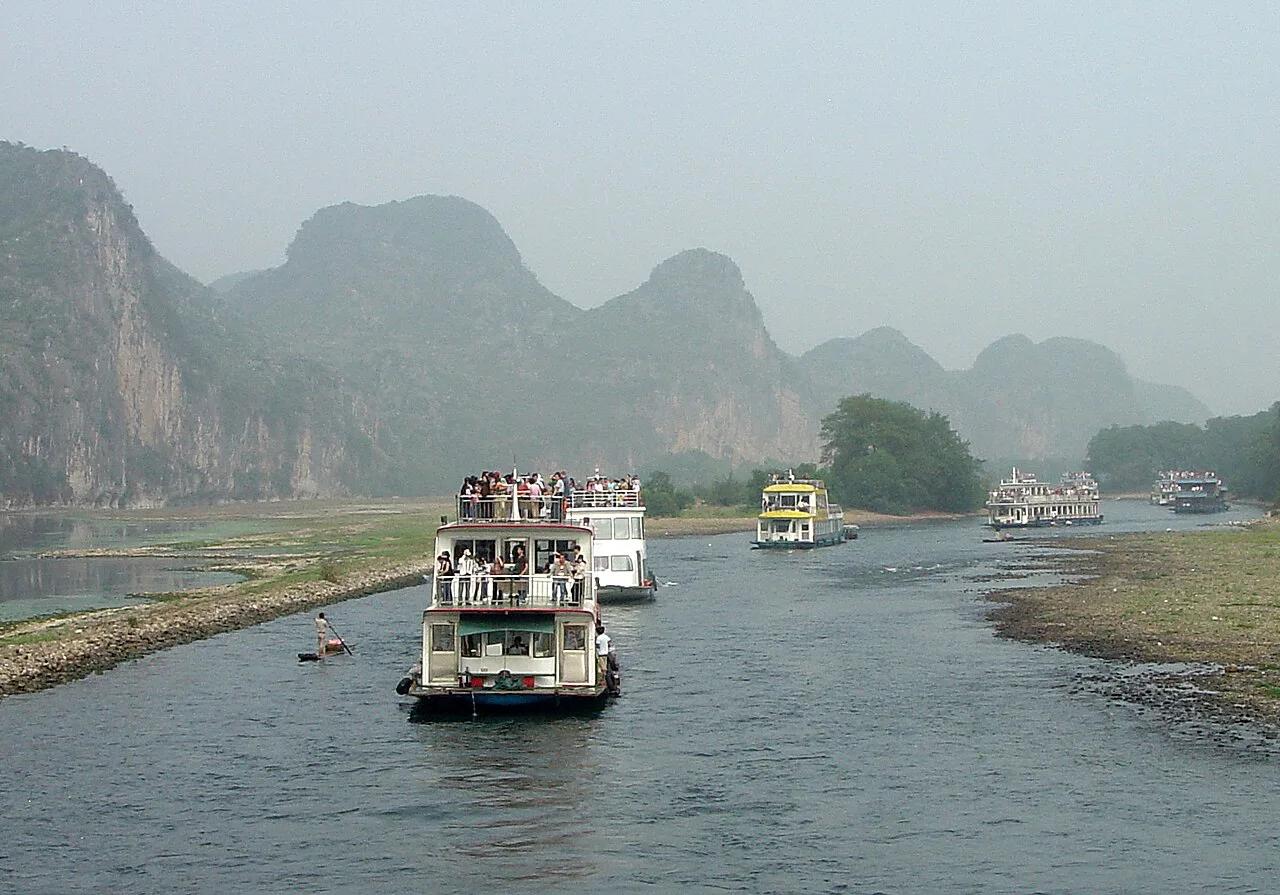
Last updated November 2026: a Li River cruise is a one-way boat trip downstream from Guilin to Yangshuo, covering about 37 miles (60 km) in 4–5 hours. It suits first-time visitors with a flexible day who want to see karst peaks on the way to Yangshuo. Boats leave from piers about 19 miles (30 km) south of central Guilin, so check your departure point before choosing transport.
Featured image: dgjarvis10@gmail.com, CC BY-SA 2.0, via Flickr.
Li River Cruise Route: Where It Starts and Ends
Full-route boats start at Mopanshan Pier or Zhujiang Pier and finish in Yangshuo. These two departure points are a few miles apart, so match your transfer to the name on your ticket. Sailings leave in the morning, and water level and boat type affect the 4–5-hour journey. For wider context beyond the boat trip, read about the Li River.
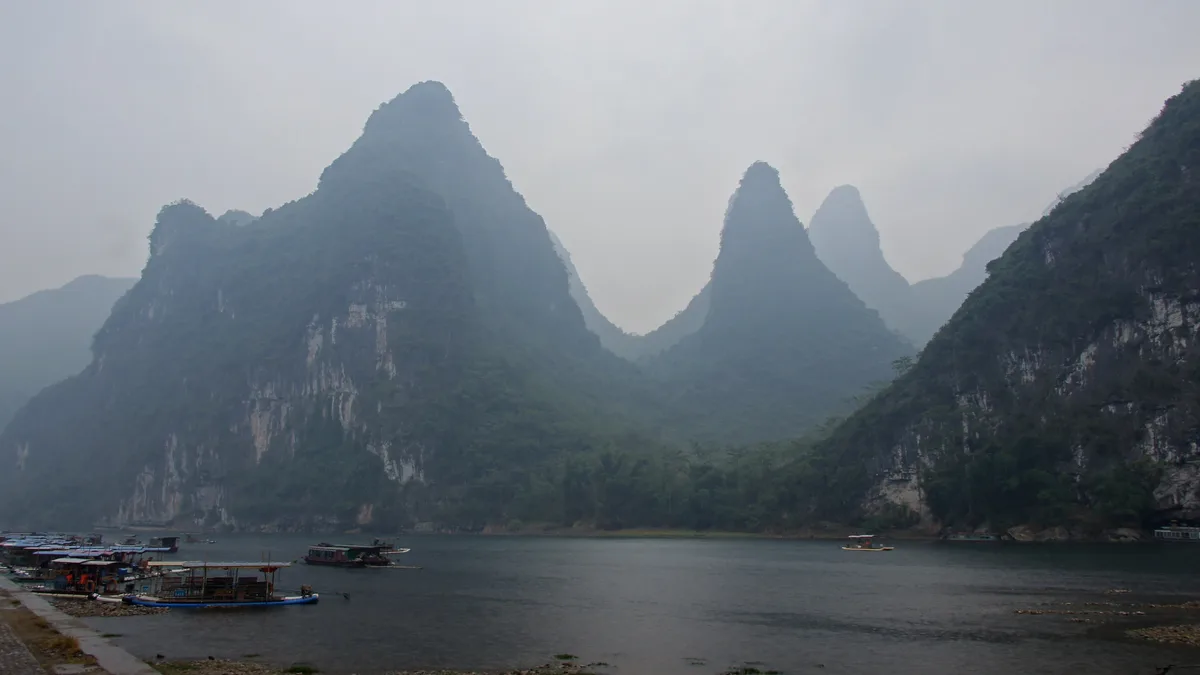
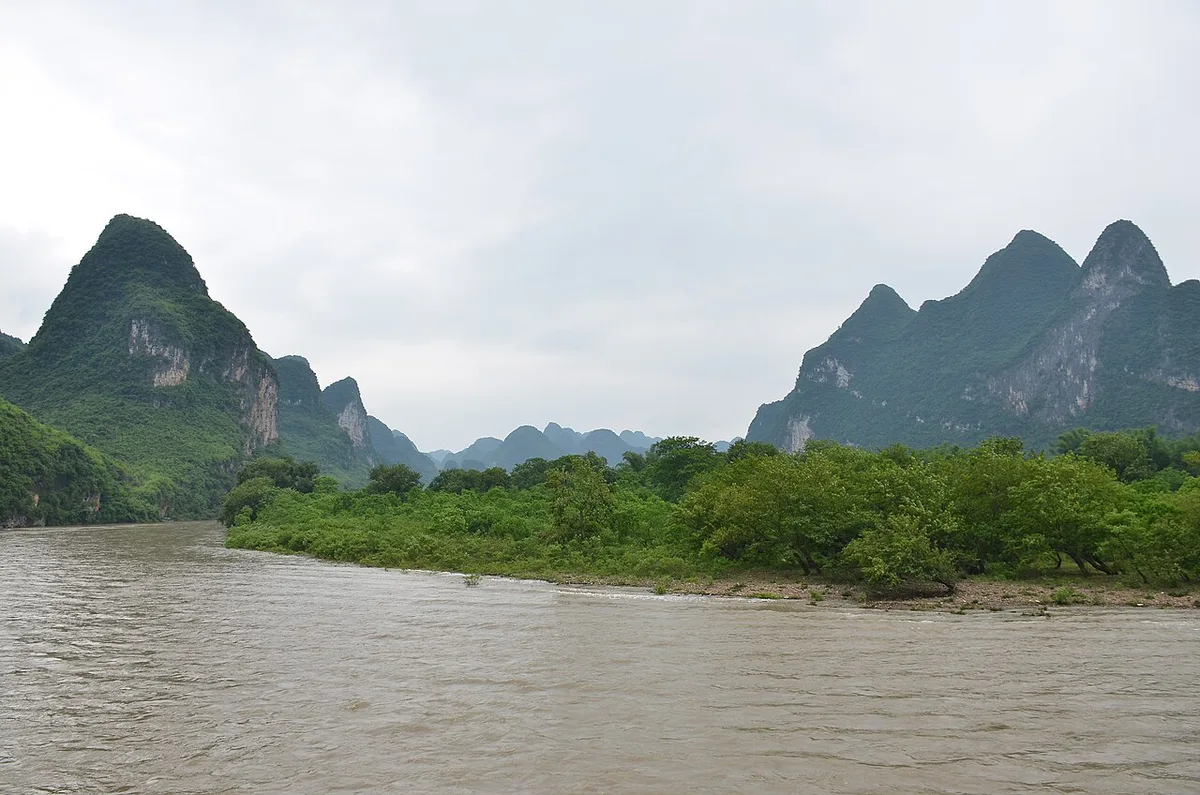
Along the way, you pass Yangdi, Nine Horses Fresco Hill and Xingping. Yangdi to Xingping is the best-known stretch. Near Xingping, look for the scene printed on China's 20-yuan note. Sailing times, piers and ticket rules can change with the season and water level, so reconfirm them for your travel date.
Is the full trip worth it? For many first visits, it makes sense because sightseeing also moves you to Yangshuo. It is less convenient if you have limited time or need to finish the day back in Guilin. Still weighing two karst destinations? Compare Guilin and Halong Bay.
- First visit with a flexible day: consider the full Guilin–Yangshuo cruise.
- Limited time or a Yangshuo base: compare the shorter Yangdi–Xingping raft.
- Traveling with children or anyone over 65: check eligibility before choosing a small raft.
- Mobility concerns: get boarding and onboard access details before paying.
- Same-day return to Guilin: allow for road travel after the cruise.
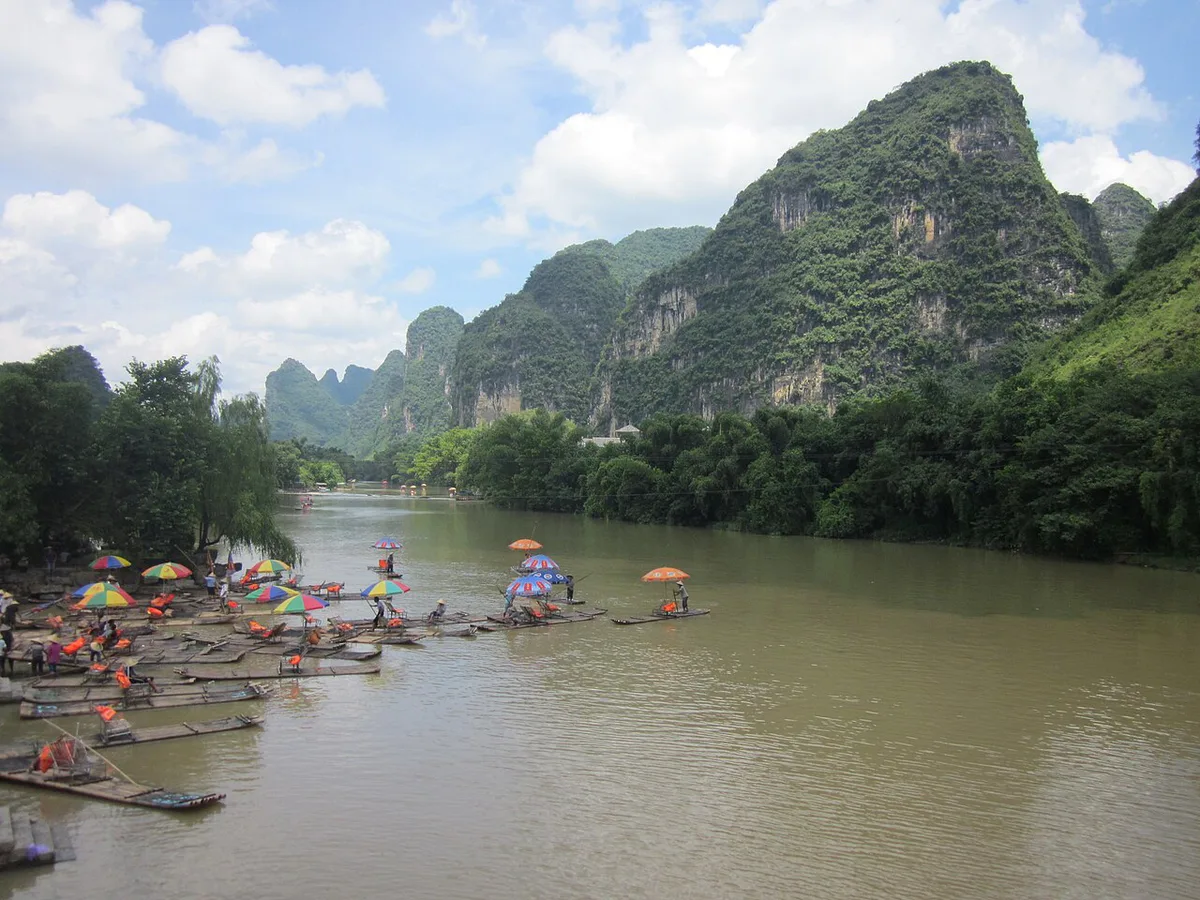
Full Cruise or the Shorter Yangdi to Xingping Trip?
A motorized, bamboo-style raft is the shorter option between Yangdi and Xingping. It focuses on the route's most famous scenery, including the area known for the 20-yuan view. Before booking, check that it is operating, where you board and leave, how long you spend afloat, and whether your raft passes that viewpoint. Add the transfers at both ends when comparing it with the full cruise.
Check rider limits first. One booking site, lirivercruise.com, says people under 120 cm (about 47 inches) tall and people over 65 are not permitted on its small private motorized rafts. This may not apply to every operator or raft. Families and older travelers should get written confirmation of eligibility for the exact service.
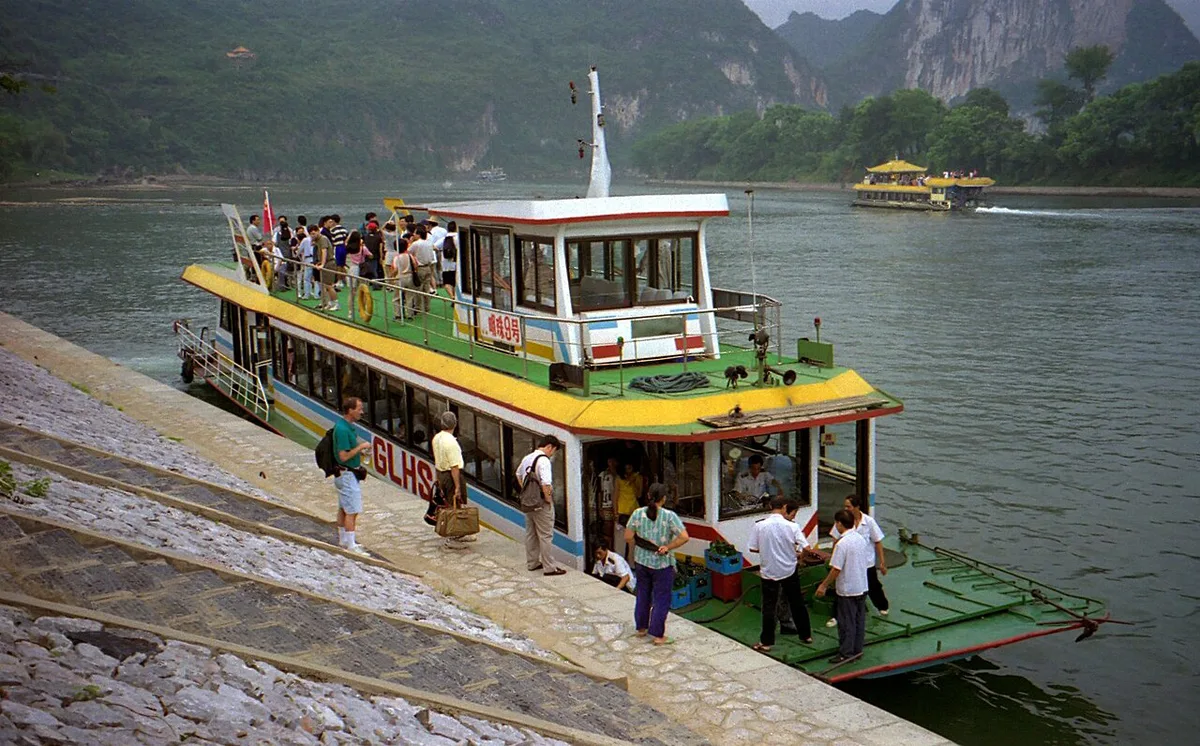
For help with that section, see planning around Yangdi. You can also explore bamboo rafting options. Yulong River bamboo rafting is a different, gentler and quieter countryside experience near Yangshuo. Use this two-river comparison before booking a raft by name.
Prefer to stay on land? Hiking and mountain viewpoints offer other ways to see the valley. Check access to your chosen path or crossing before planning a riverside hike.
- Full cruise: Guilin-side pier to Yangshuo, 4–5 hours on the water, with Yangdi and Xingping along the way. It suits travelers with more time.
- Shorter raft: Yangdi to Xingping, with less time on the river. It may suit eligible riders who are short on time or staying in Yangshuo.
- Before comparing prices: check seating, boarding steps, access limits and transfers for each option.
3-Star vs 4-Star Boats: Which Should You Choose?
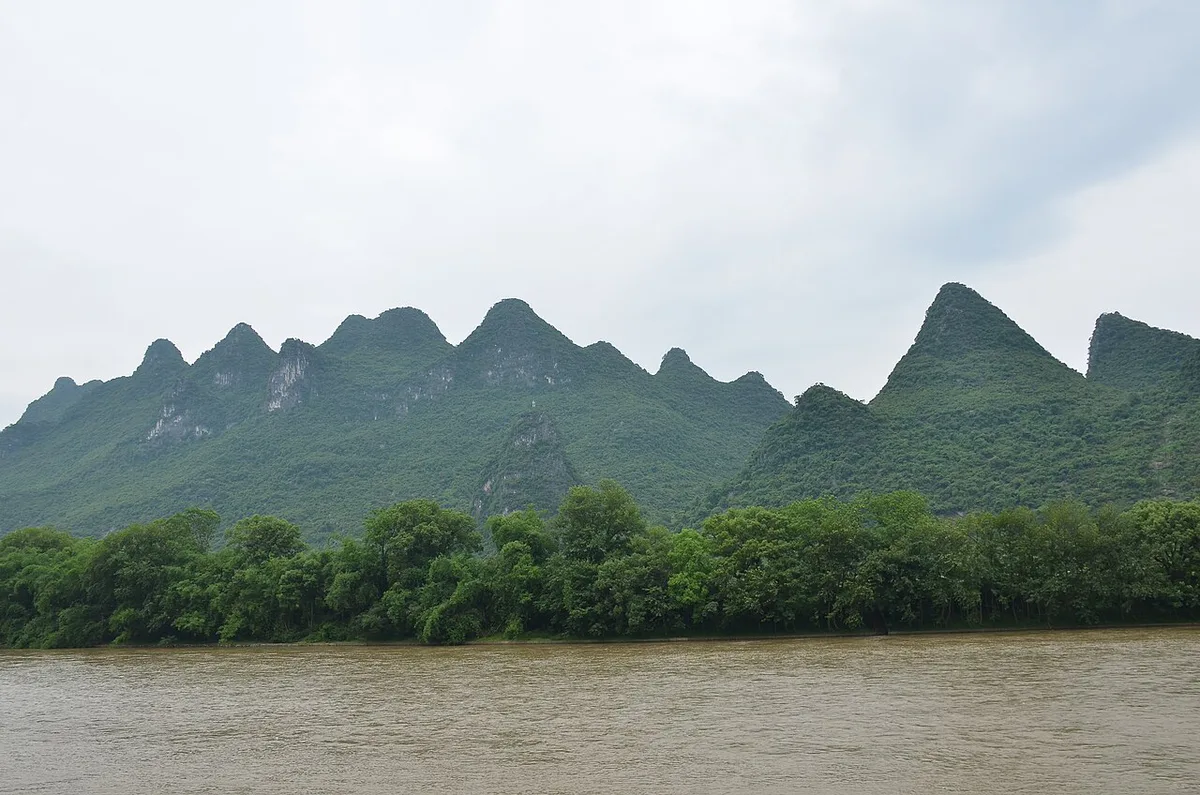
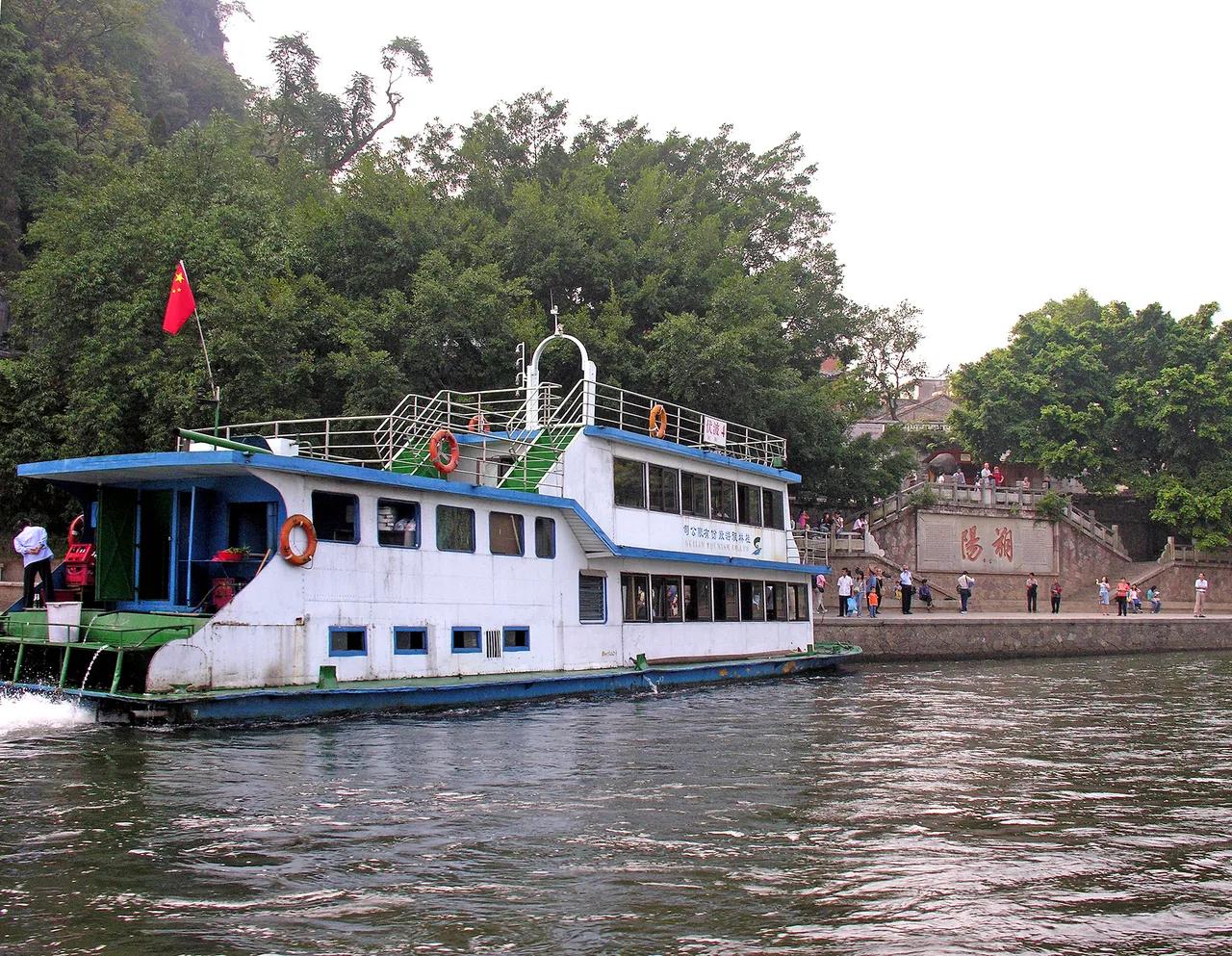
Both classes travel the same river, so a higher rating does not buy a different landscape. Your choice mainly affects crowding, deck space, lunch and often the departure pier. A 3-star boat can work if scenery matters most and you can accept busier decks. For more room and a calmer trip, compare 4-star tickets.
Pier and meal patterns are not guarantees. Check your ticket for lunch, seating, deck access and the named pier. Some sellers also advertise 4.5-star or 5-star products. Ask what those labels include, and compare the written inclusions instead of assuming a standard upgrade.
- 3-star: usually busier, lunch usually costs extra, and departure is usually from Mopanshan. Consider it if views are your priority.
- 4-star and higher: usually fewer passengers and more deck space, lunch usually included, and departure usually from Zhujiang. Consider these for a calmer day.
- Both: the same river route and scenery. Compare budget, crowd tolerance, meal needs and pier convenience.
Li River Cruise Tickets and Total Trip Cost
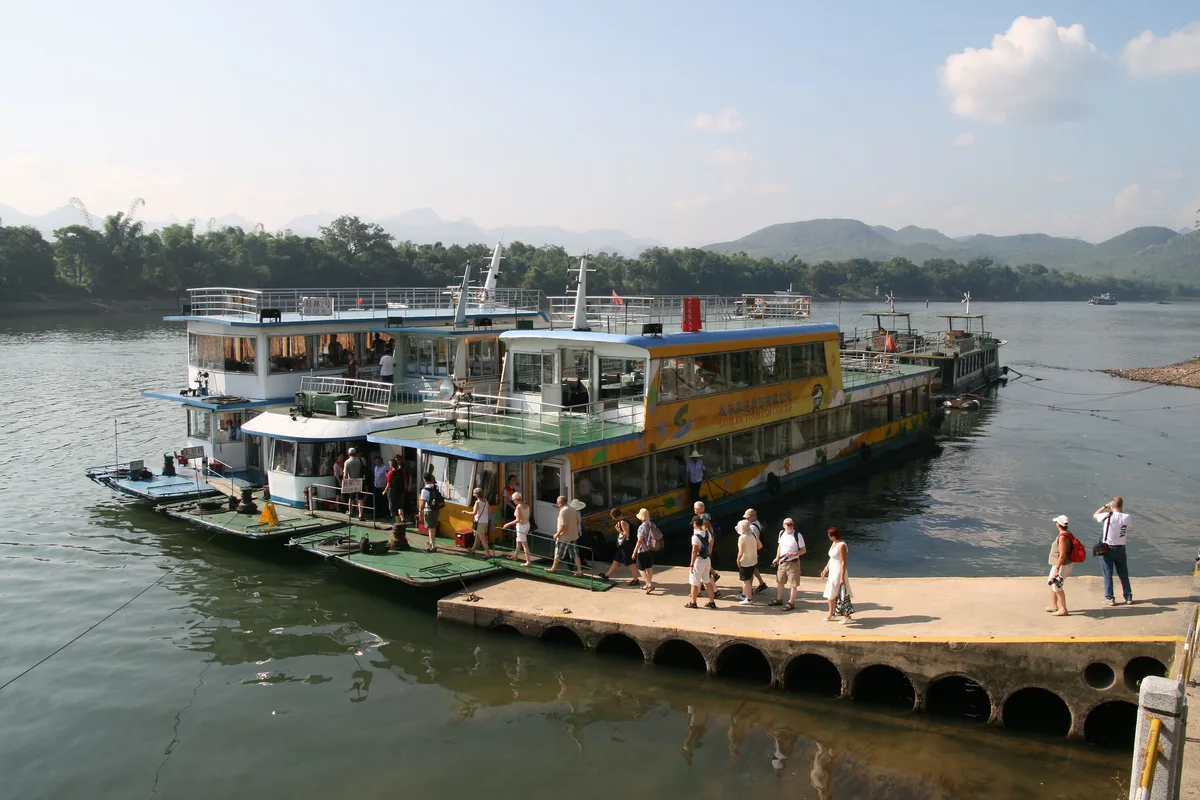
Tickets are issued in each passenger's name. Foreign travelers book with a passport number and need to bring that same passport for boarding. Reserve ahead for spring, summer and Chinese public holidays.
Compare current fares through the cruise operator or an official ticket channel. A low headline price may leave out pier transport or other parts of your day. A higher quote is better value only if its extras are ones you need. For 3-star options, budget for lunch separately unless your ticket includes it. Price child and senior terms for your actual group, then add your Yangshuo night or return journey.
- Passenger names and passport numbers: match every traveler, and pack the passports used for booking.
- Sailing details: record the boat class, date, departure time and exact pier.
- Included costs: check the fare, lunch, transfer to the pier and any child or senior terms.
- Arrival costs: price transport into central Yangshuo, then lodging or a ride back to Guilin.
- Changes: read cancellation, refund and low-water substitution terms before paying.
- Mistakes to avoid: don't go to the wrong pier, forget your passport, assume a round trip, confuse the Li and Yulong rivers, or assume everyone can ride a raft.
Getting There and What to Do After Yangshuo
Arrange transport from your Guilin hotel to your assigned pier. Ask whether your booking includes pickup, how long to allow, and what happens to luggage onboard. Also ask how you will get from the Yangshuo arrival pier to your hotel or onward transport.
A same-day return to Guilin after a 4–5 hour sail means about 1.5–2 hours of road travel, plus margin for delays.
Plan for a one-way journey and arrival around early afternoon. To return to Guilin, travel by road; allow about 1.5–2 hours, with extra margin for delays. Avoid a tight flight or train connection. Door-to-door time also includes reaching the departure pier, boarding and leaving the arrival area.
An overnight stay avoids backtracking and gives you time for countryside cycling or an evening walk on West Street. If local fishing traditions interest you during that stay, read about Cormorant Fishing in Guilin: Yangshuo Visitor Guide as a separate subject from your cruise booking.
- Stay in Yangshuo: suits a slower pace, evening plans or an onward trip that starts there. Arrange where your bags will go.
- Return the same day: suits a Guilin hotel stay or next-day departure from Guilin. Include the road fare, travel time and luggage handling.
Best Time for a Li River Cruise and Low-Water Backup
April–June and September–October usually offer a useful balance of water levels and comfortable weather. Summer brings green scenery, heat and larger crowds. During a dry winter, low water can prevent the full journey. A shortened Yangdi–Xingping arrangement with road transfers may replace it.
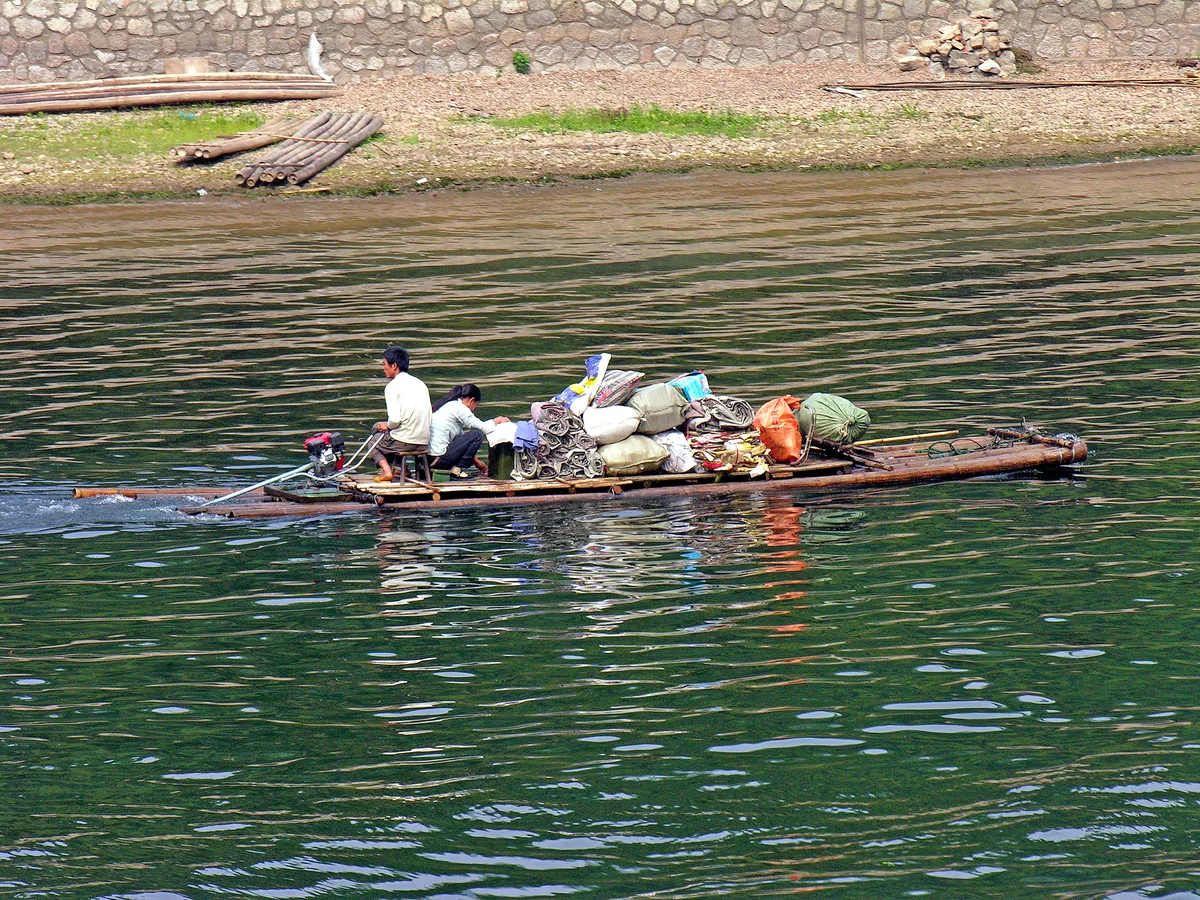
Check sailing status a day or two before departure. Ask which vessel replaces your booked boat and where transfers begin and end. Don't assume a substitute is the same service as an independently booked raft. Find out whether rider limits change, whether you can decline the replacement, and what refund applies. Clear weather, particular water levels and mountain visibility cannot be guaranteed.
Children, Older Travelers and Accessibility
Large cruise boats and small motorized rafts need separate eligibility checks. A calmer 4-star trip may appeal to families or older travelers, but its rating does not establish step-free access. Expect some pier steps. Anyone using a wheelchair or stroller should get exact boarding details before buying a nonflexible ticket.
Share ages, children's heights and mobility needs with your seller. This matters especially around the reported 120 cm and over-65 raft limits. If answers remain unclear, hold off on that raft until its operator confirms who can board.
- Boarding: ask about the number of steps, ramp access, gaps at the vessel and staff assistance.
- Mobility equipment: ask whether wheelchairs and strollers can board, where they are stored and whether they must fold.
- Onboard: check toilet access, indoor seating and whether the deck requires stairs.
- Replacement trips: ask for the same access and eligibility details if low water changes your vessel or route.
Notes for your Guilin trip
Optional updates to our guides.
Also worth reading

Keep planning
More guides you'll find useful