Luosifen in Guilin: What to Know Before You Try It
What is luosifen? Learn about its Liuzhou roots, river snail broth, smell and common toppings, plus what to ask before ordering a bowl on a Guilin trip.
Last updated November 2026: luosifen (螺蛳粉) is a rice-noodle soup from Liuzhou (柳州), Guangxi, with a broth made with river snails and spices. It is not the same dish as Guilin rice noodles, so look for the right name when ordering in Guilin. Snails in the stock don't necessarily mean you'll find snail meat in your bowl.
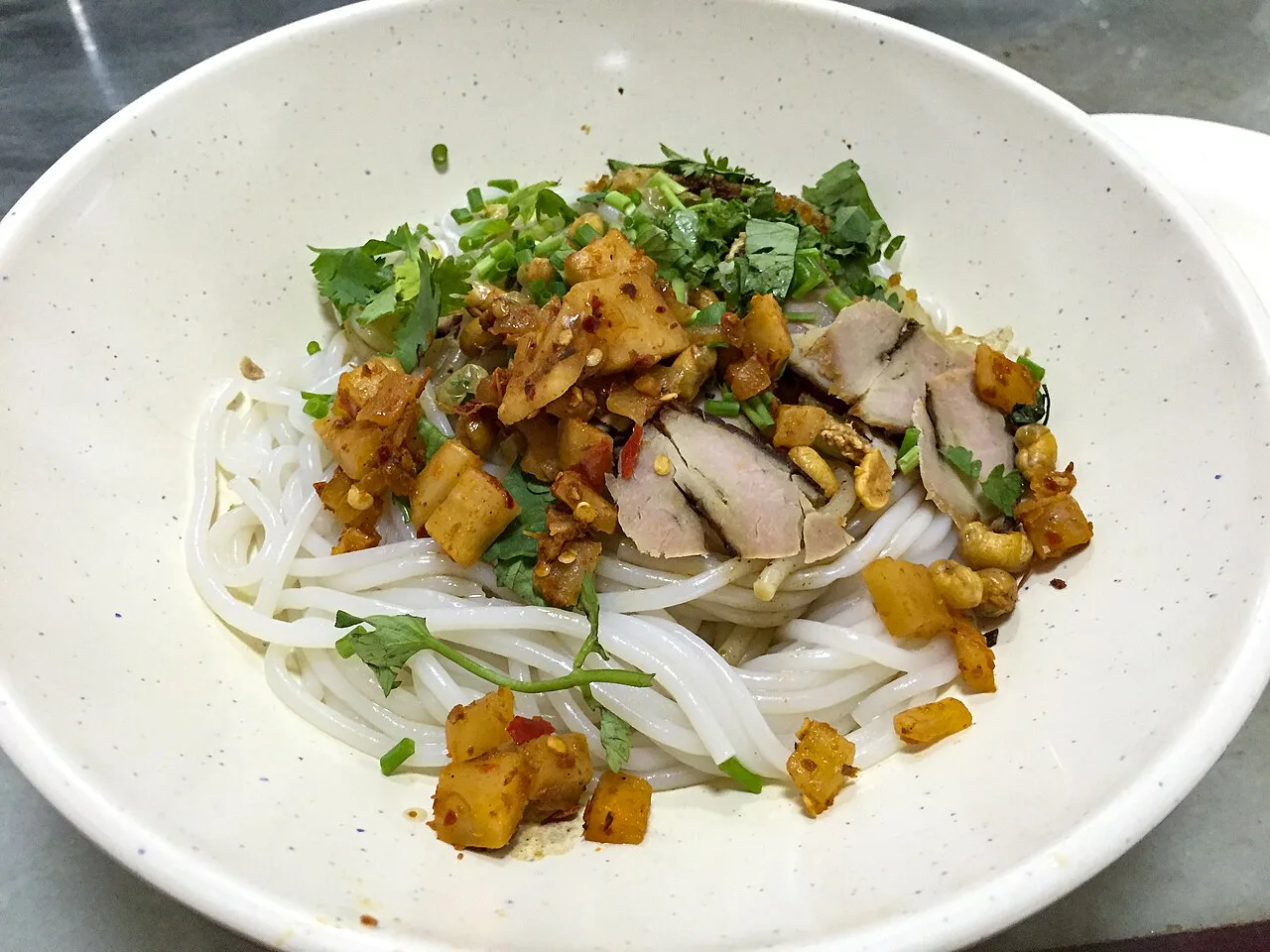
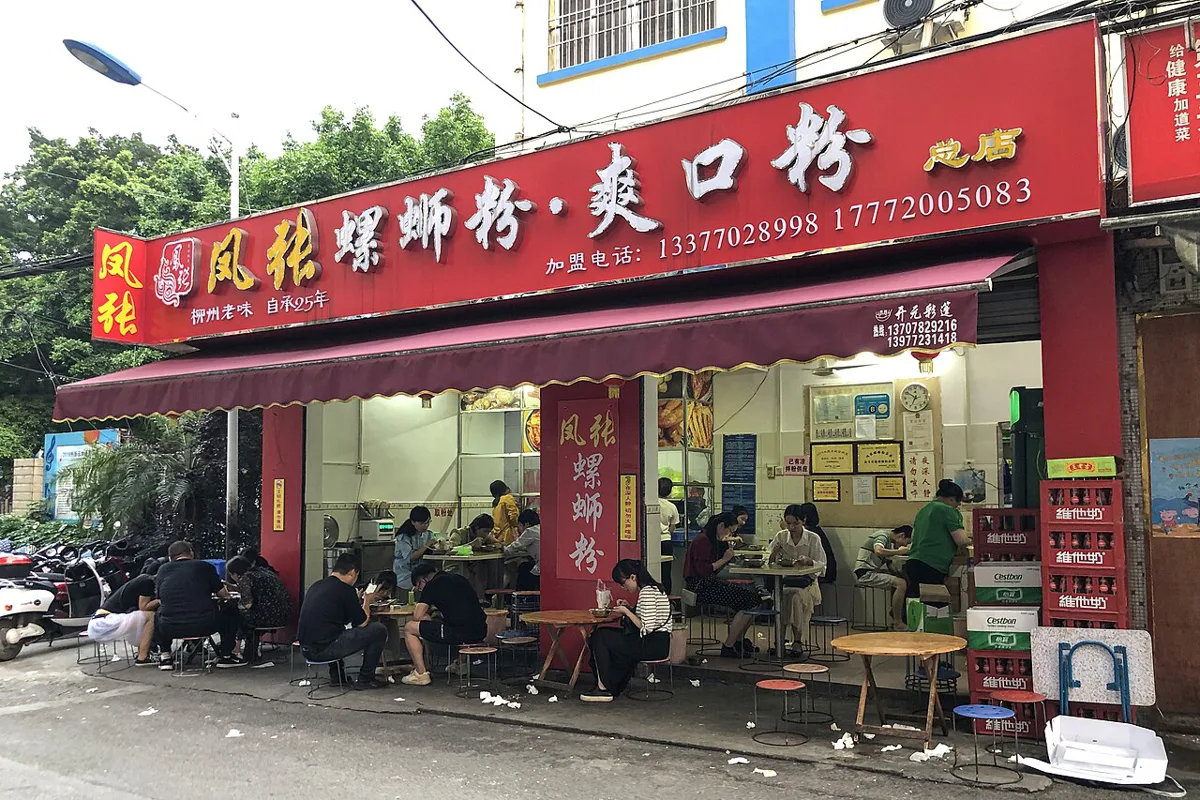
Featured image: Gary Stevens, CC BY 2.0, via Flickr. Resized and converted to WebP.
What Is Luosifen?
Pronounced luósīfěn in Mandarin, 螺蛳粉 translates as "snail rice noodle." Its home city is Liuzhou rather than Guilin, although both are in Guangxi. You can place it within a wider eating plan using our guide to Guilin food.

Its exact origin is uncertain. Many accounts trace the dish to the late 1970s or early 1980s, and several competing legends describe how snail soup met rice noodles. None is a settled history.
What Does It Taste and Smell Like?
Expect a pungent bowl, often nicknamed "smelly" or "stinky" noodles in English. Smell isn't the whole flavor, though. River snails are associated with a mildly sweet taste in the broth, while the accompanying seasonings can bring sourness and spice.

Judge these as separate concerns. You might enjoy sour food but dislike strong aromas, or accept the smell and want less chili. Before ordering, stand near the shop's serving area and decide whether you're comfortable eating there. Less heat doesn't necessarily mean less smell.
Why Does Luosifen Smell So Strong?
The smell is mainly associated with sour bamboo shoots, called 酸笋 (suānsǔn). Despite the dish's name, don't assume the snails are what you're noticing. The shoots are fermented, which gives them their sharp, sour aroma. People who dislike it often find it much more intense than the taste leads them to expect.
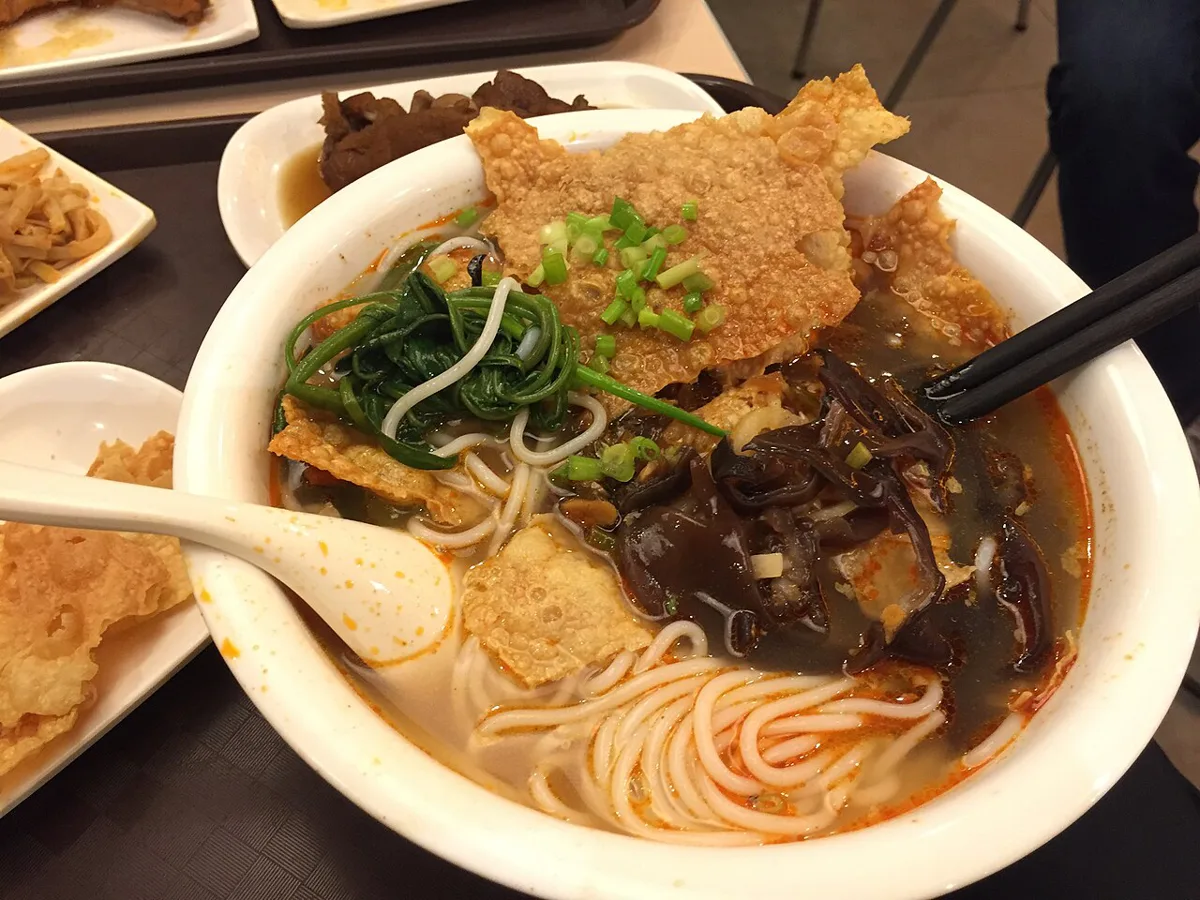
This gives you something specific to ask about. If the sourness appeals to you but you're unsure about the odor, ask whether the shop can serve the bamboo shoots on the side. You can then smell them and add a little at a time. If you already know you don't want them, ask for the bowl without them.
- Leaving out the shoots: this changes the flavor, and it may not produce an odor-free bowl. Other bowls being prepared nearby can still scent the room.
- Choosing where to sit: if the shop has outdoor or well-ventilated seating, it may feel more comfortable than a table beside the serving area.
- Planning your day: food smells can linger on clothing in an enclosed space, so you may prefer to eat after any appointment where that would bother you.
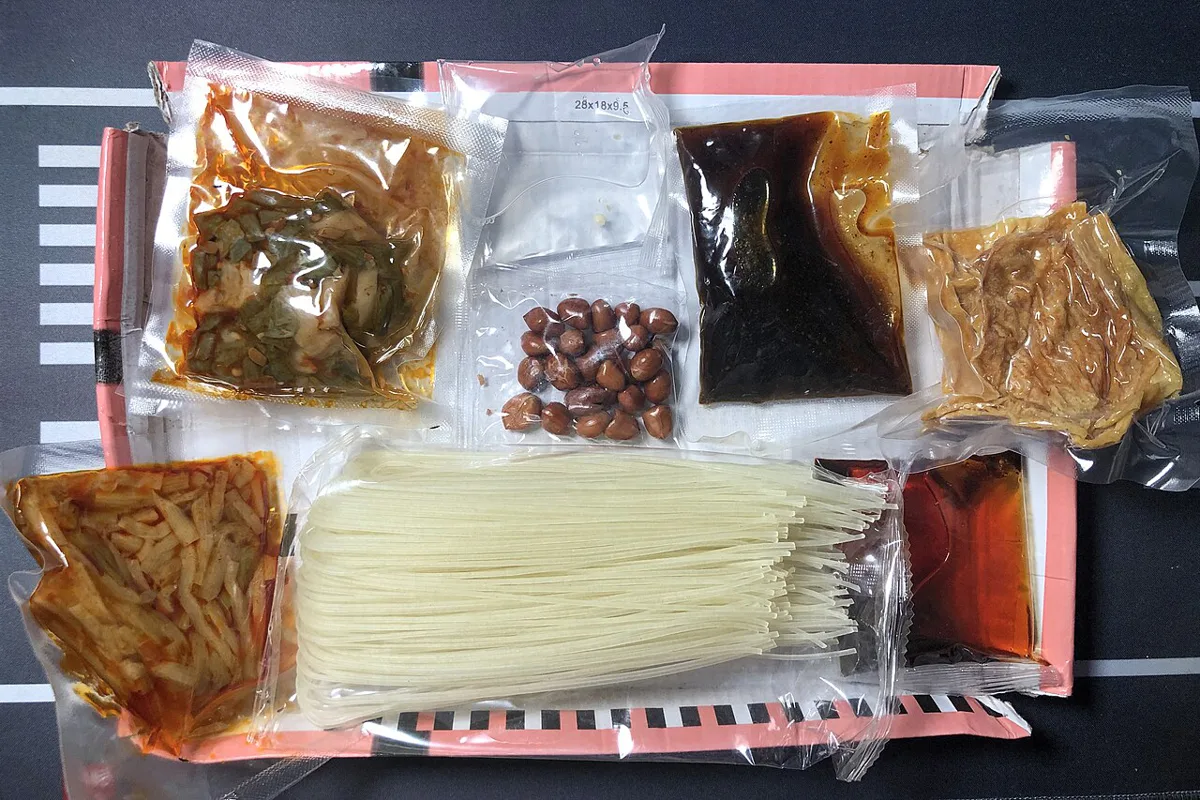
- Preparing a packaged version: if the sour bamboo shoots come in their own sachet, check the pack directions before deciding when and how much to add. Ventilate your kitchen, and consider the people sharing it.
What's in a Bowl of River Snail Noodles?
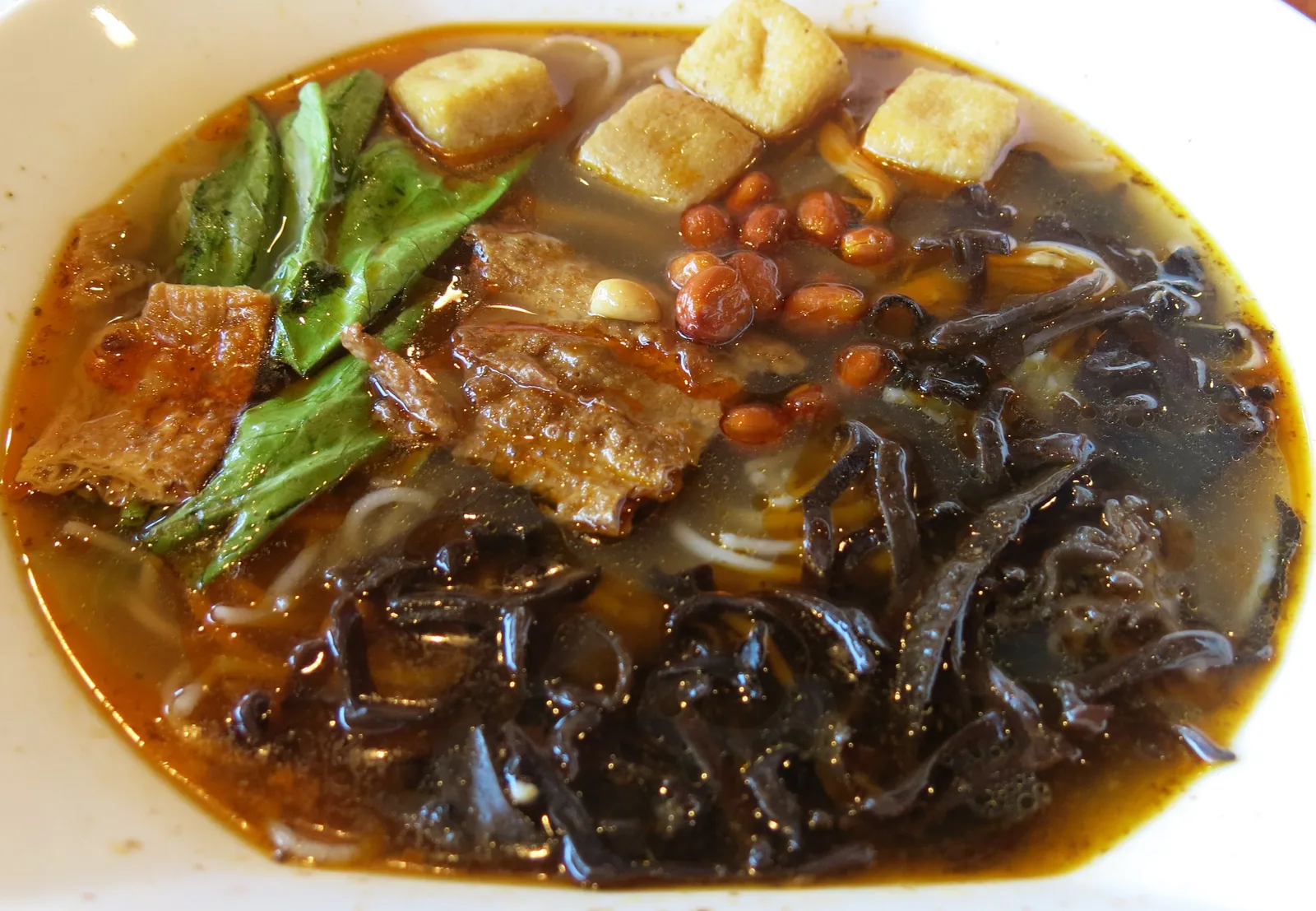
Rice noodles are cooked and served in soup. Stock descriptions commonly pair river snails with pork bones and spices. Examples include star anise, cassia bark and fennel seed, but recipes vary.
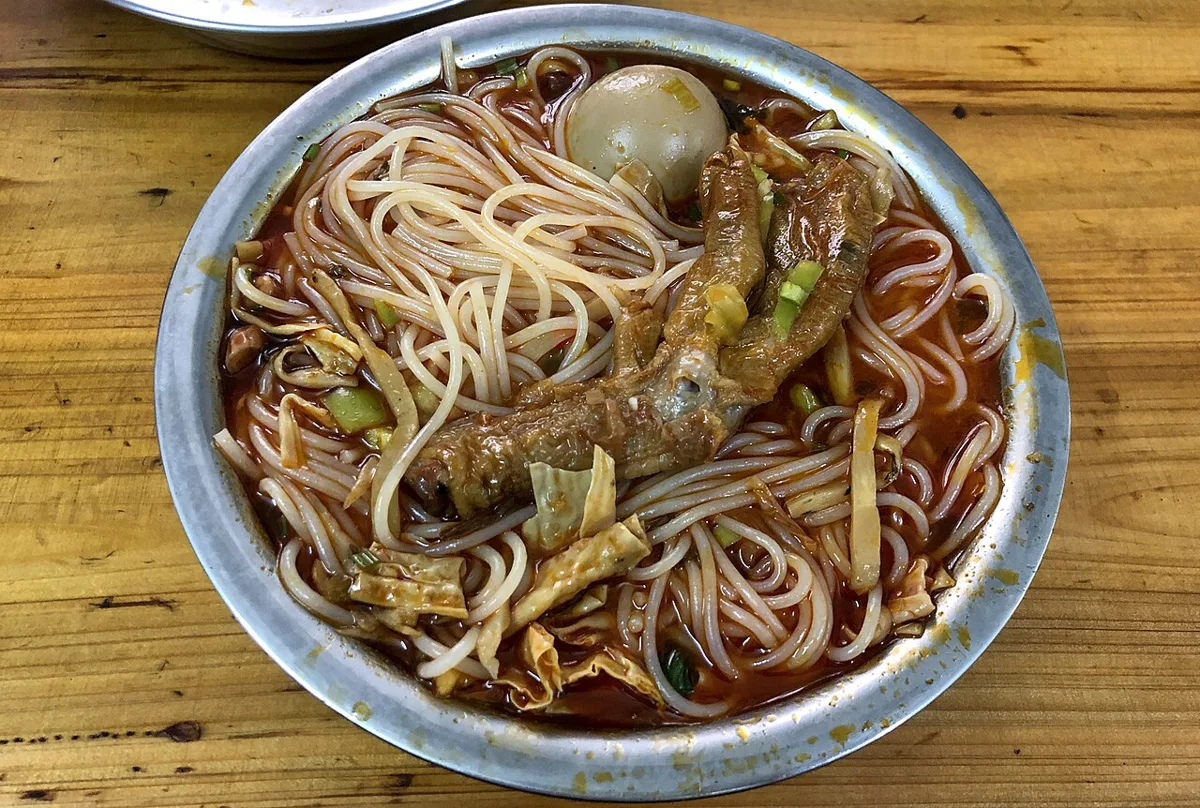
Snail meat is a separate matter from snail stock. It is often left out of the finished bowl. Ask about the solid ingredients if you specifically want to eat or avoid it.
Toppings change the texture and flavor from shop to shop. Use this list to recognize common additions, then choose from what your shop actually serves. Meat, eggs and other extras may also be available.
- Pickled or fermented bamboo shoots
- Fried bean curd skin or sticks
- Wood ear, also called black fungus
- Peanuts
- Preserved long beans or cowpeas
- Leafy greens
- Chili oil
- Possible extras: pig's trotters, duck feet, marinated eggs, sausage or tofu
Should You Try It, and What Should You Ask?
Try it if you're curious about snail-based stock and comfortable with pungent food. Dietary limits need more care than flavor preferences, because removing a visible topping doesn't change the soup underneath. Use the table to decide when another meal makes more sense.
| Your concern | What to ask or notice | When to choose something else |
|---|---|---|
| Strong smells | Notice the aroma at the shop before ordering | The smell already puts you off |
| Chili | Ask to leave it out or serve it separately; ask whether the broth already contains it | The heat can't be adjusted enough for you |
| Snail meat | Ask separately about the stock and solid ingredients | You avoid snails in any form, including stock |
| Vegetarian or vegan diet | Traditional snail and pork-bone stock is unsuitable; ask about the whole recipe for any alternative | The shop can't establish that every component fits your diet |
| No pork | Ask about stock, toppings and seasonings | Pork is present or the answer is unclear |
| Allergies or religious restrictions | Raise snails (molluscs), peanuts, soy toppings and possible sesame oil; this is not a complete allergen list | Ingredients or cross-contact can't be confirmed |
| Shared meal or limited time | Consider your companions' smell tolerance and your choice of shop | The setting or timing doesn't suit your group |
- Chili: State your preference before the bowl is assembled.
- Toppings: Name anything you want left out, and ask which extras are available.
- Stock: Ask what goes into it, even when your chosen toppings contain no meat.
Useful Chinese Phrases for Ordering Luosifen
You can show these Chinese lines on your phone if you're not comfortable saying them. Pick only the ones that apply to you, and allow for a shop being unable to change some ingredients.
| What you mean | Chinese | Pinyin |
|---|---|---|
| One bowl of luosifen, please | 请给我一碗螺蛳粉 | Qǐng gěi wǒ yì wǎn luósīfěn |
| No chili, please | 请不要放辣椒 | Qǐng bú yào fàng làjiāo |
| Chili on the side, please | 辣椒请分开放 | Làjiāo qǐng fēnkāi fàng |
| Sour bamboo shoots on the side, please | 酸笋请分开放 | Suānsǔn qǐng fēnkāi fàng |
| No sour bamboo shoots, please | 请不要放酸笋 | Qǐng bú yào fàng suānsǔn |
| No peanuts, please | 请不要放花生 | Qǐng bú yào fàng huāshēng |
| What is in the broth? | 汤里有什么? | Tāng lǐ yǒu shénme? |
| Does the bowl include snail meat? | 碗里有螺蛳肉吗? | Wǎn lǐ yǒu luósī ròu ma? |
| Does it contain any pork, including in the broth? | 包括汤在内,里面有猪肉成分吗? | Bāokuò tāng zài nèi, lǐmiàn yǒu zhūròu chéngfèn ma? |
| I'm allergic to peanuts | 我对花生过敏 | Wǒ duì huāshēng guòmǐn |
For an allergy, asking for no peanuts is not enough on its own. State that you're allergic, and ask about sauces, oils and shared utensils too. If staff can't give you a clear answer, or you can't understand the reply, choose another meal. A translated phrase can't rule out cross-contact.
Trying It in Guilin or Liuzhou
Choose according to the purpose of your trip. For a casual taste during a Guilin stay, look for 螺蛳粉 on the menu and ask whether it is being served that day. Our Guilin restaurant guide can help with wider dining plans. You can also browse Guilin's night market options, but don't assume a particular stall sells this soup.
Liuzhou makes sense when eating the specialty in its home city is a priority. Before committing to a side trip, use China Railway 12306 to price the round trip and compare current train times. Add travel to and from both stations, then weigh that total against the Guilin plans you'd give up. A city's connection to a dish doesn't automatically make the detour worthwhile for your itinerary.
How Is It Different From Guilin Rice Noodles?
These dishes have different local identities: luosifen belongs to Liuzhou, while Guilin rice noodles are Guilin's namesake dish. A shared rice-noodle base doesn't make their names interchangeable. Read our guide to Guilin rice noodles before ordering the local dish.
Treat chili choices separately too. Our Guilin chili sauce guide covers that regional condiment, but you shouldn't assume it goes into Liuzhou's snail noodles.
Shop Bowl or Instant Luosifen?
A shop bowl saves you the preparation and lets you ask questions before eating. You can see some toppings, although sight alone won't reveal what's in the stock or seasonings. A packaged version lets you prepare it yourself and decide which separate additions to use.
Read the ingredients, allergen statement and cooking directions on your specific pack. Don't treat it like ordinary instant ramen without reading those directions. A package also isn't automatically milder, cheaper or suitable for a restricted diet. If you're considering packs as souvenirs for another country, check destination customs rules and your airline's restrictions before buying.
For trip-planning details, see Liuzhou Municipal People's Government and China Intangible Cultural Heritage Network.
Explore guides in other cities
Notes for your Guilin trip
Optional updates to our guides.
Also worth reading



Keep planning
More guides you'll find useful