Yangshuo Climbing Guide: Choose Your Climb and Plan Safely
Yangshuo climbing guide: decide between an instructor and a topo, compare climbing options, and plan gear, access and weather before you commit.
Last updated November 2026: this Yangshuo climbing guide's short answer is to hire a qualified instructor if you can't independently manage ropes, belaying and outdoor safety decisions. As for a Yangshuo rock climbing guide in book form, a route guidebook or topo is enough only if your team has those skills, current access information and an emergency plan.
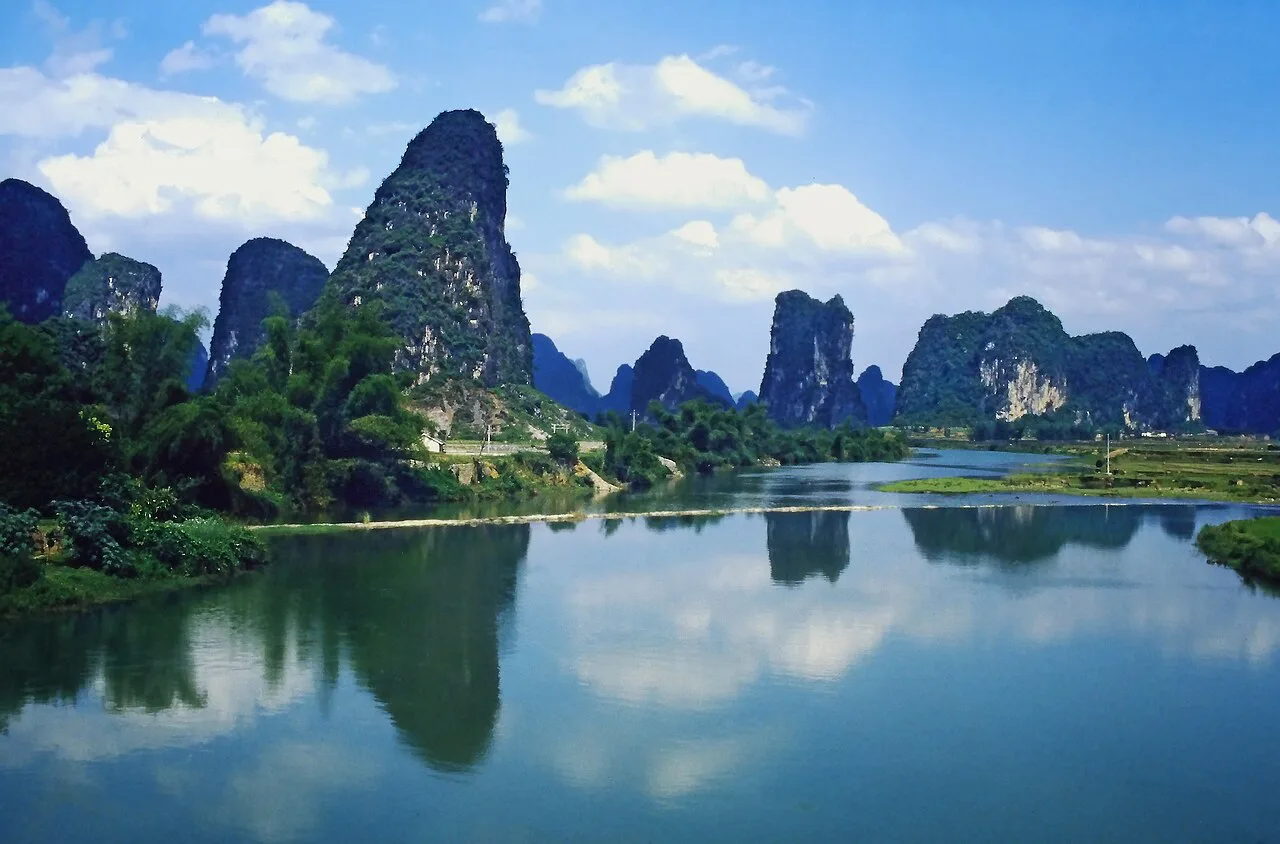
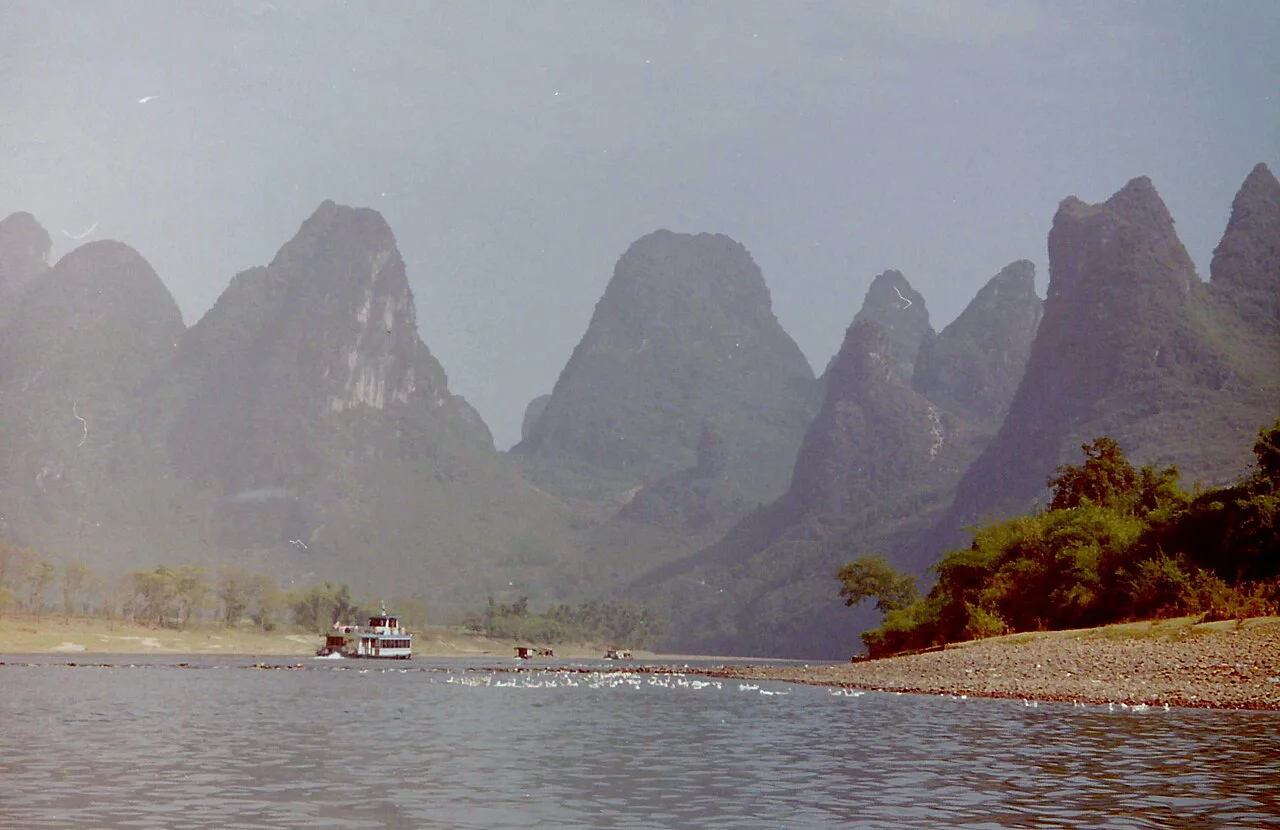
Featured image: Kyle Taylor, Dream It. Do It., CC BY 2.0, via Flickr.
Yangshuo Climbing Guide: Which Option Fits You?
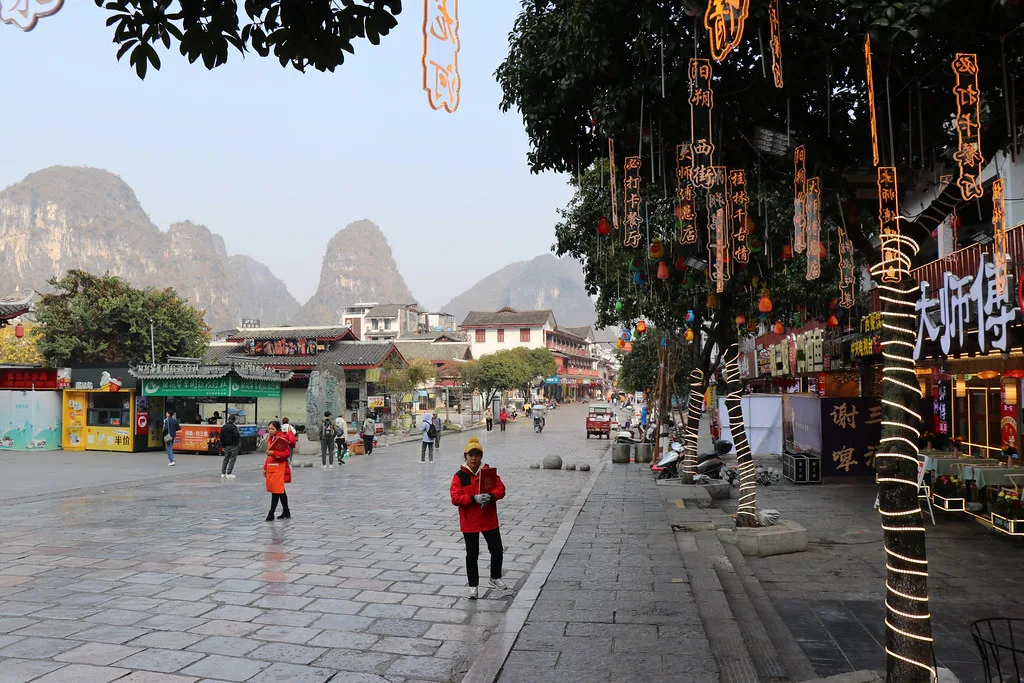
Start with what you can safely do outdoors today. Complete beginners and indoor climbers new to rock should book instruction. Experienced sport climbers can go independently once local conditions are clear. In a mixed-ability group or family, ask whether one session can properly supervise every person. Non-climbers can ask about via ferrata. Confident swimmers drawn to the water can read about Yangshuo's deep water solo separately. It carries different risks and isn't a beginner substitute for roped climbing.
| Option | Best fit | Prior skill needed | Supervision | Main constraint | Settle first |
|---|---|---|---|---|---|
| Guided introduction | Beginners and indoor climbers new to rock | Ask the operator | Instructor-led | Instructor attention is shared | Ratio, safety checks, age and participation limits |
| Guided progression | Climbers building outdoor skills | State your real outdoor experience | Instructor-led coaching | Progress depends on assessed ability | Goals, instructor experience, session content |
| Independent sport climbing | Experienced, self-sufficient teams | Competent outdoor leading, belaying and judgment | Your own team | You make the safety decisions | Access, hardware condition, rescue cover |
| Via ferrata | Non-climbers or climbers wanting a cable route | Ask about the specific route | Book qualified instruction | Serious fall and injury risk remains | Route status, equipment, exposure, limits |
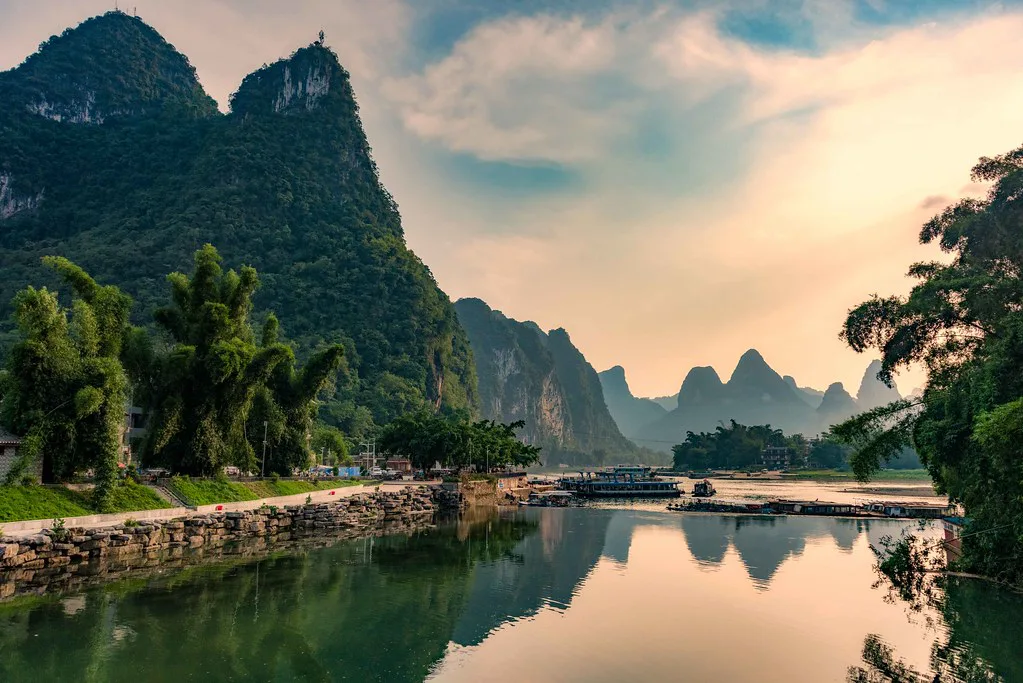
Should You Hire a Guide, Buy a Guidebook or Both?
An instructor can supervise you, assess your ability and teach in person. Ask which of those services your booking includes. A topo or guidebook helps you locate and compare routes, but it can't watch your knot or judge your belaying. Using both makes sense when you want coaching now and plan to climb independently later. One known title is Andrew Hedesh's Yangshuo Rock – A China Climbing Guide, listed with a 2017 date.
What to Know About the Yangshuo Climbing Guidebook
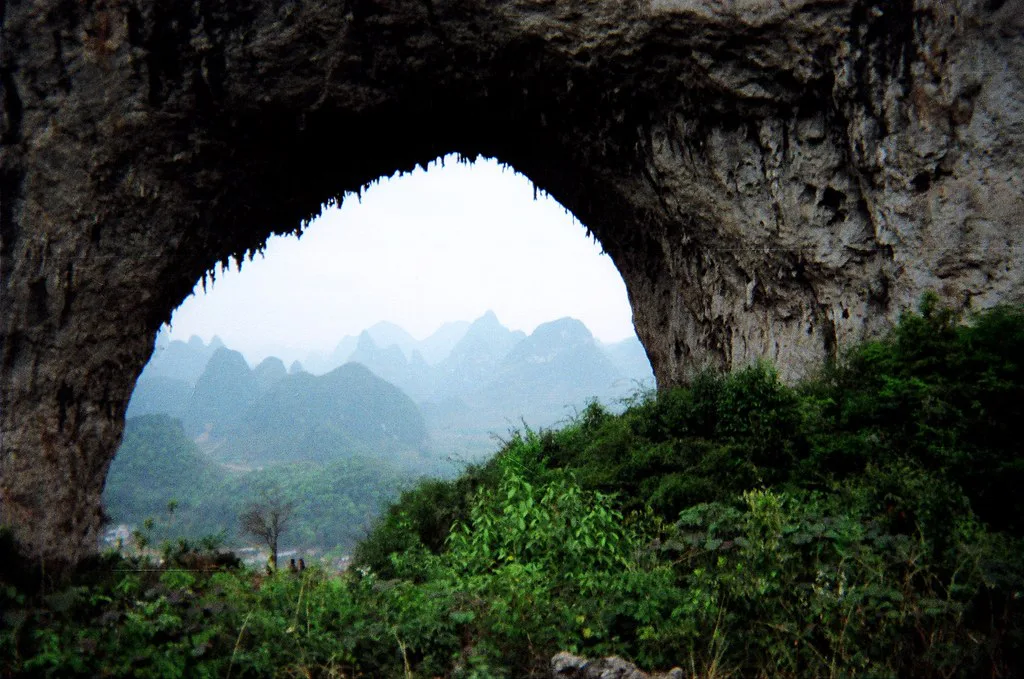
A description quoted from the author's website gives it 450 pages, researched over 3 years. It says the book covers travel details, route descriptions, safety concerns and maps. Digital and print purchase links appear in the listing. Before paying, check which edition you're getting, when it was updated and whether you can use it offline. A 2017 publication date tells you nothing about today's access or bolt condition.
Where to Climb: How to Choose a Crag
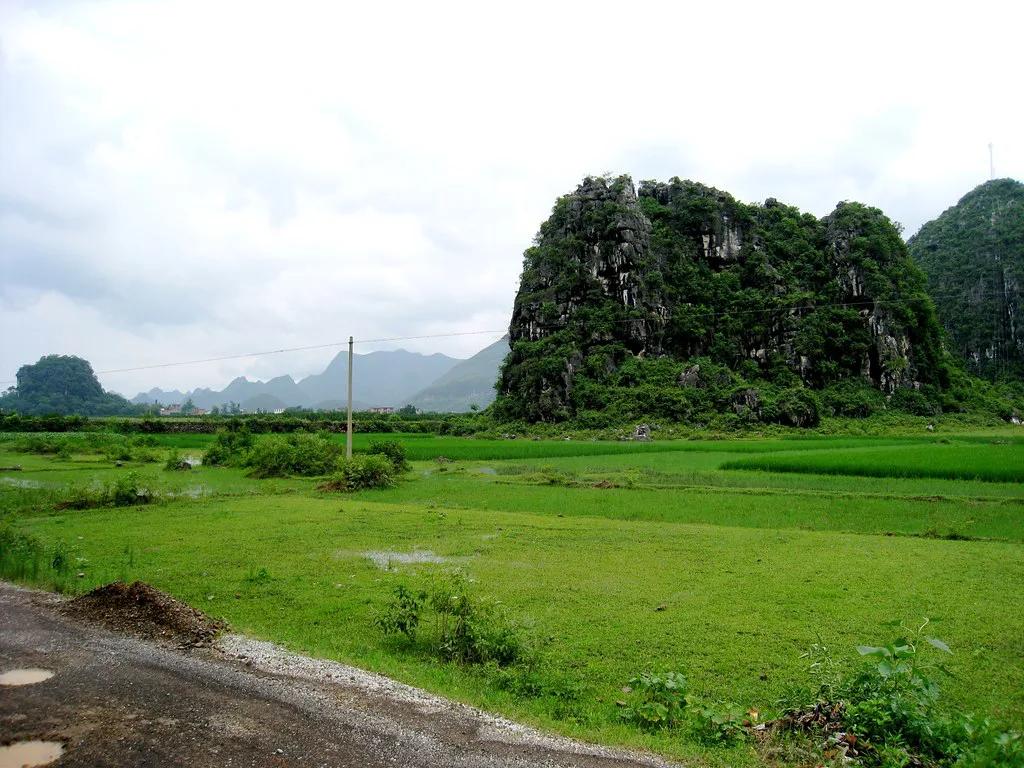
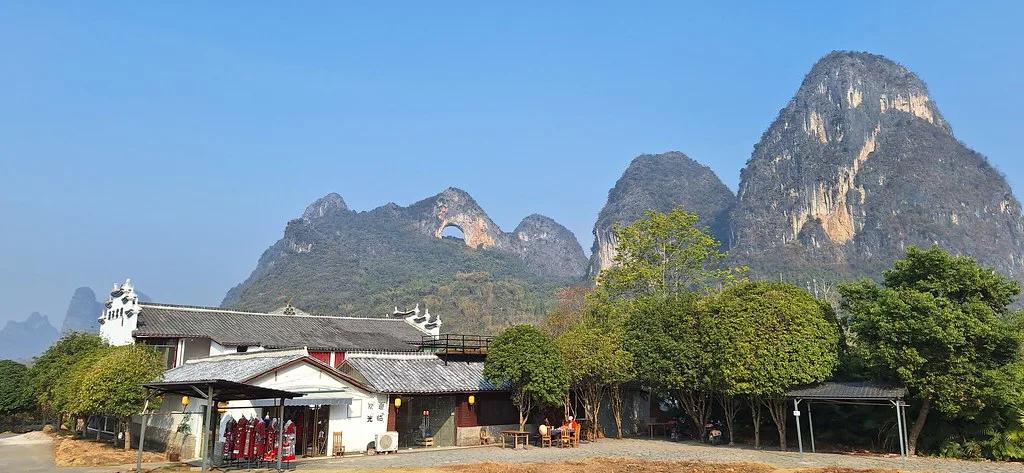
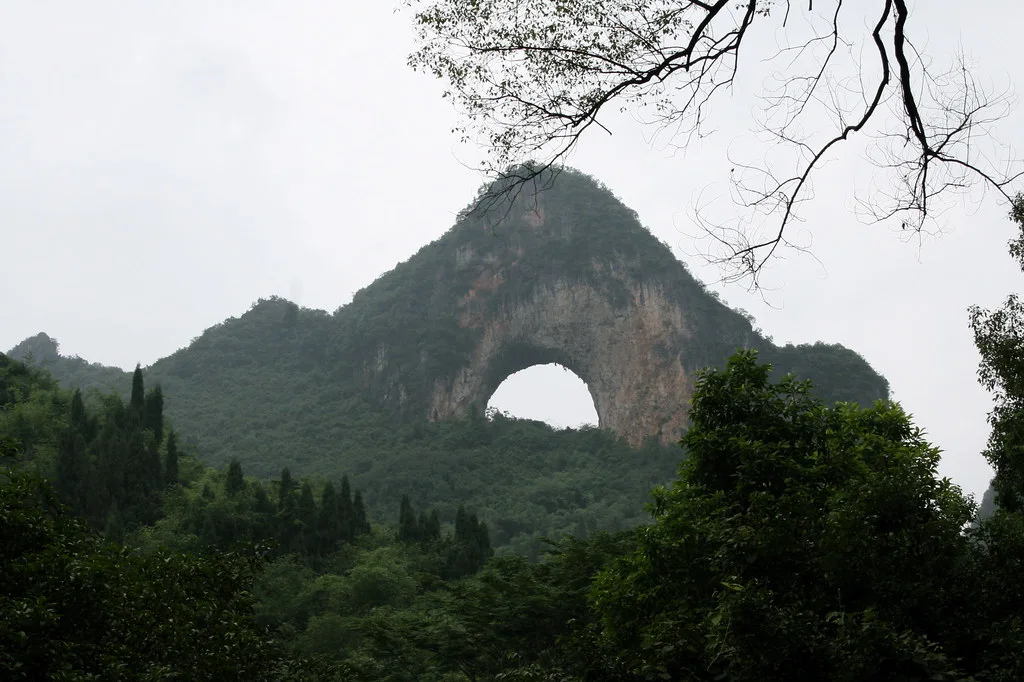
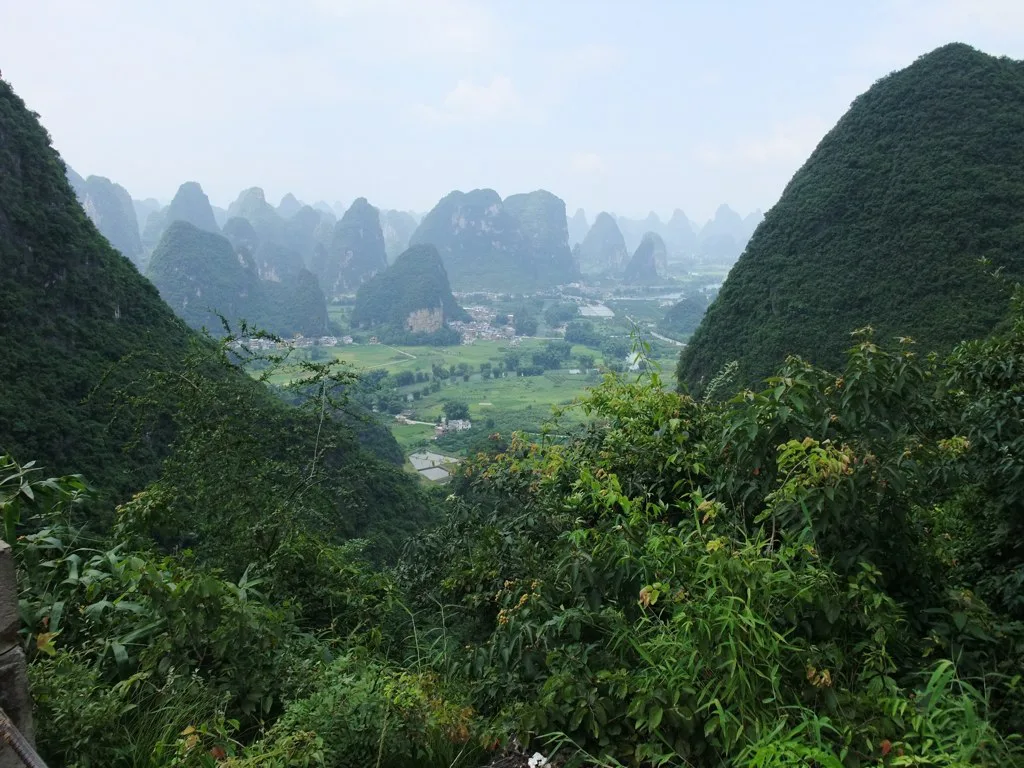
Choose the crag around your group, with its current access status as the first filter. Our Yangshuo rock climbing overview gives the wider picture. A traveler's 2018 account described Swiss Cheese as a beginner site with easy to medium routes. That group reached it by van and a short walk through rice fields. Ask a current local source whether it remains open and suitable. Moon Hill is a famous karst landmark, but fame doesn't show that climbing is currently allowed or right for your level.
- Grades: enough routes within your group's ability
- Setup: top-rope or lead options, and who sets the ropes
- Approach: walking time, terrain and your way back
- Conditions: sun, shade, rain exposure and crowding
- Safety: bolt and anchor condition, with the date of the latest report
- Access: closures, restrictions and recent local notices
Booking a Climbing Instructor: What to Ask
Get answers in writing where you can, in a language you understand. A named instructor and a clear safety process tell you more than a general promise of experience. If a qualification is mentioned, ask who issued it and how you can validate it with that body. Price comparisons make sense only when inclusions and group size match.
- Instructor: qualification, issuer, relevant local experience and language of instruction
- Insurance: what the operator covers and what your own policy must cover
- Supervision: climber-to-instructor ratio, plus who checks harnesses, knots and belays
- Equipment: inspection and replacement practices, helmets and available shoe sizes
- Rock: who assesses bolts and anchors, and when they were last assessed
- Limits: age, health, size or experience requirements
- Changes: rain cancellation, rescheduling and refund terms
- Emergencies: the response plan and who contacts rescue services
Independent Sport Climbing: Pre-Trip Checks

A bolted line or guidebook entry doesn't prove that a route is safe or open. Look for recent updates from local climbers, maintainers or the guidebook publisher, and note their dates. Online databases such as theCrag and 27Crags can provide leads. Their older entries shouldn't settle a safety question. If you can't establish a route's current state, choose another plan or hire local expertise.
Andrew Hedesh's title is listed with a 2017 date, so route notes in it need a current cross-check before you commit.
- Grading system used by your topo
- Required rope length and quickdraw count for each chosen route
- Fixed-hardware condition and recent access changes
- Local contacts, a competent partner and agreed belay arrangements
- Emergency plan, rescue access and insurance that covers your activity
When to Go and What to Do If It Rains

Compare heat, humidity and rain when choosing dates, using our guide to Yangshuo's climbing season. Near your trip, use the World Meteorological Organization's weather service to look up the nearest listed city. Follow China's official weather warnings too. Don't climb in rain or storms. After rain, let a qualified local instructor assess the rock, approach and conditions, or postpone. Keep a spare day if climbing is a priority. For a separate dry-weather outing, Yulong River's Jinlong Bridge rafting route costs ¥320 per raft (price checked November 2026). It is about 12 km from Yangshuo county town, and it shouldn't be treated as a guaranteed rain backup.
What to Wear and Bring
Ask for an itemized equipment list, so rented, included and personal gear are clear. Try rental shoes before departure where possible, especially in larger sizes. One beginner reported painfully tight shoes in 2018, and another tall group member stopped climbing because of toe pain. That same account found few toilets around climbing sites, so ask about facilities at your chosen crag.
- Provided gear to ask about: helmet, harness, shoes, rope and belay equipment
- Clothing: comfortable layers that allow movement and suit the forecast
- Personal items: water, sun protection and any necessary medication
- Own equipment: ask whether it is accepted and who will inspect it
How Much Time and Budget Should You Plan?
Compare actual climbing time, group size and transfers instead of relying on a half-day or full-day label. When choosing where to stay, ask about the pickup point, journey, approach walk and return time. Independent climbers also need transport both ways. For your budget, request an itemized quote covering instruction, gear, shoes and transport. Add access fees if any, meals, insurance, a guidebook and cancellation costs. For current prices and operating times, use the chosen operator's own booking information. No session length guarantees that you'll be ready to lead; progression depends on assessed competence.
- Half day: suits trying the activity or fitting a short itinerary
- Full day: may allow more instruction or practice, if your booking provides it
- Multiple days: gives room for progression plus a weather or rest buffer
Via Ferrata or Rock Climbing?

Via ferrata follows a fixed-cable route, while roped rock climbing involves a different movement and protection system. It isn't risk-free: serious falls and injuries are possible, and correct equipment and instruction are essential. Compare options through our Yangshuo via ferrata guide. Before booking, ask which route is operating and whether it fits every participant.
- Movement: cable route with its fixed features, compared with climbing a rock route
- Skills: ask what each requires, including comfort with height
- Equipment: use the correct system for that activity; climbing gear lists aren't interchangeable
- Supervision: ask who fits equipment and oversees you throughout
- Exposure: ask about steep sections, retreat options and descent
Common Mistakes and Your Pre-Climb Checklist
An indoor grade alone is a poor basis for choosing outdoor climbing. Tell your instructor what you've actually done, including any gaps in rope skills. Old route reports, vague inclusions and a tightly packed schedule can also derail your plan.
- Match the activity to each person's outdoor experience
- Date every access and route-condition report
- Agree the group ratio, inclusions and cancellation terms
- Leave a weather buffer if possible
- Ask about the approach, shoe sizes and toilets
- Know your emergency plan and insurance cover
Notes for your Guilin trip
Optional updates to our guides.
Also worth reading

Keep planning
More guides you'll find useful