Lipu Taro in Guilin: A Food and Buying Guide
Planning to try Lipu taro in Guilin? Compare cooked dishes, fresh taro and packaged snacks, and learn what to ask about ingredients and origin.
Last updated November 2026: Lipu taro (荔浦芋) is a starchy taro associated with Lipu (荔浦) in the Guilin region. Cooks value it for that starch, which makes it a substantial ingredient for cooked food. As a visitor, you may be choosing between a dish, a packaged snack and a fresh taro to prepare yourself. Our pick for a first try is a cooked dish, because it fits into a meal and leaves you nothing to carry home.
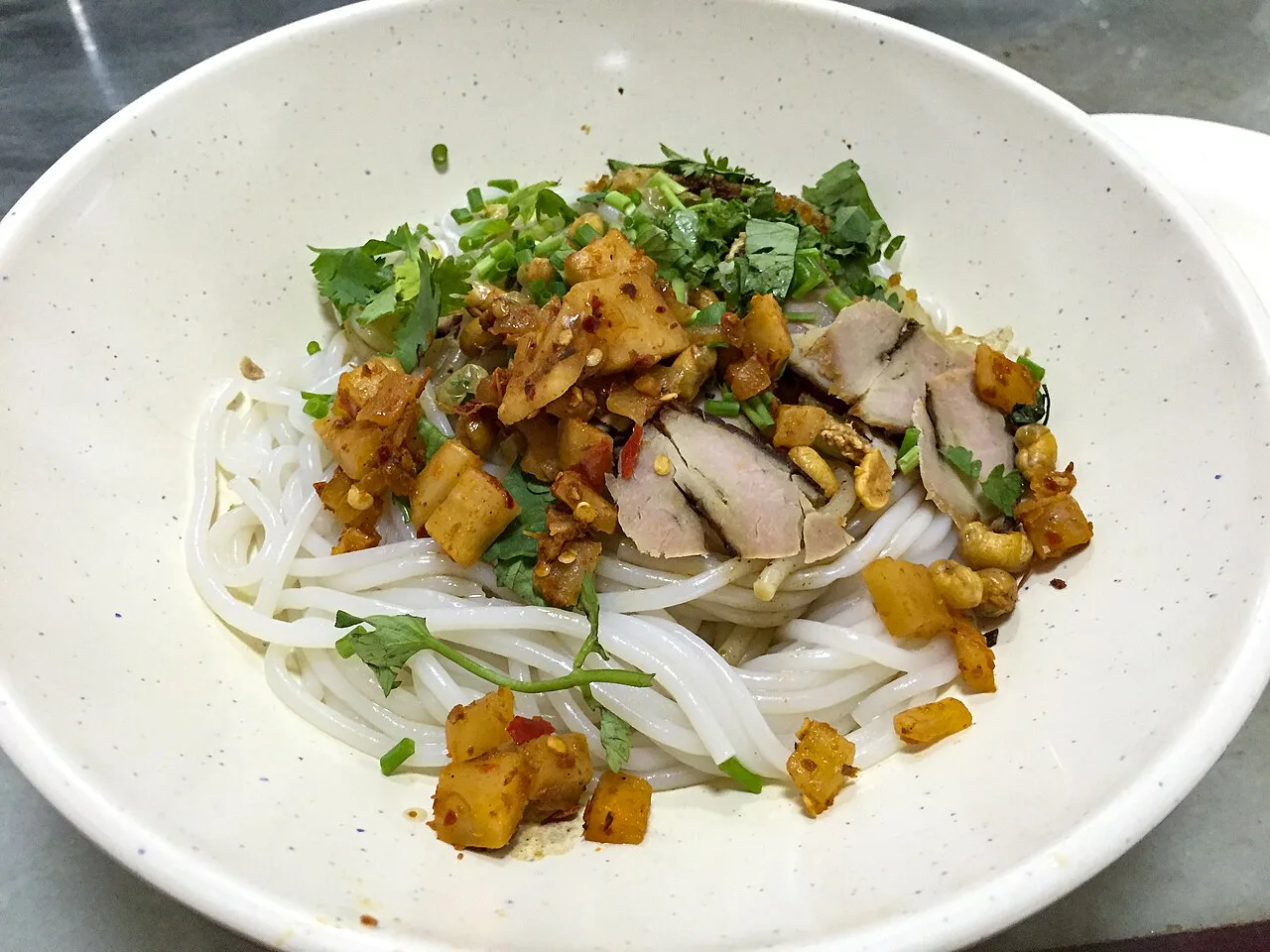
Featured image: Tim Evanson, CC BY-SA 2.0, via Flickr. Resized and converted to WebP.
What Is Lipu Taro?
Taro is the common name for the plant Colocasia esculenta. In Lipu taro, the place name points to Lipu, and that link is what sets the name apart from plain "taro" on a label. For wider meal ideas, start with our guide to Guilin food.

In Chinese, you may see 荔浦芋 or the longer 荔浦芋头 (Lìpǔ yùtou), where 芋头 means taro. Save both forms on your phone so you can show them to a server or seller. Looks and product names alone shouldn't be treated as proof of where a taro grew. When origin matters to you, ask what the seller can show.
- Short Chinese name: 荔浦芋
- Longer name for questions: 荔浦芋头
- Place name: 荔浦 (Lipu)
How Should You Try Lipu Taro?

Choose the form around your plans. A cooked dish suits travelers who already have a sit-down meal in mind. Packaged snacks are easier to carry, but a crisp strip or chip won't show you how taro eats in a cooked dish. Fresh taro makes sense only if you have a kitchen and a realistic way to transport any leftovers.
Don't assume that any taro item on a menu uses taro from Lipu. Before ordering, find out what else goes into the pot or onto the plate. This matters if you avoid pork, animal fat, meat stock or a particular allergen. A vegetable-sounding dish name doesn't settle any of those points. For a shared table, ask about portion size before adding other dishes.
| Form | Likely best fit | What to ask or read | Main trade-off |
|---|---|---|---|
| Cooked dish | Travelers eating a full meal | Taro origin, other ingredients, stock, fat, allergens and portion | Ingredients may not be visible |
| Packaged snack | Travelers who want something portable | Ingredients, origin statement, processing, dates and storage | Different eating experience from a cooked dish |
| Fresh taro | Travelers with a kitchen | Origin, condition, storage and onward-travel rules | Needs preparation and thorough cooking |
Where Can You Try or Buy It in Guilin?
Treat availability as something to ask about at each restaurant, market stall or shop. We aren't naming a specific venue, because we can't promise that any one currently serves or stocks it. Fold your search into a meal or shopping stop you already planned. Our Guilin restaurant guide can help with that meal planning. For an evening outing, see our guide to Guilin's night market, but don't assume taro will be on sale.

Show the Chinese name first, then ask about ingredients and origin as separate questions. A "yes, it's taro" doesn't tell you that it came from Lipu. If the answer is unclear, you can still order the dish as taro, without counting it as a confirmed Lipu sample. For allergies or strict diets, skip any dish whose ingredients staff can't explain.
- 这是荔浦芋头吗? (Is this Lipu taro?)
- 这道菜里还有什么? (What else is in this dish?)
- 有产地信息吗? (Is there origin information?)
- 怎么卖?按份、按重量还是按包装? (Is it sold by portion, weight or package?)
Should You Make a Separate Trip to Lipu?
For most food-curious visitors, we'd look for it during an existing Guilin meal before planning a special outing. A separate Lipu trip adds travel time and transport costs on top of whatever you eat or buy. That extra effort is easier to justify if you already have another confirmed reason to go.

Don't build the day around an assumed farm visit, tasting or public growing area. First, line up a specific place that welcomes visitors on your date. Then price the round trip from your Guilin lodging using current information from the transport operator. Compare that total with the simpler option of ordering or buying taro where you already plan to be.
- Destination: a named place with current visitor access
- Purpose: a meal, purchase or activity that the place has confirmed
- Transport: both directions, including travel to and from stations or stops
- Backup: another plan if taro isn't available
What Affects Cost, Season and Availability?
We don't have a dependable current price or harvest calendar for Lipu taro. Ask the venue or seller for today's price and unit, and don't use online snack listings to estimate restaurant or market costs.
- Form: compare dishes with dishes and packages with packages.
- Quantity: match a portion, weight or package size to your group.
- Outing cost: add transport if the food is the reason for the trip.
- Availability: ask about fresh produce and prepared dishes separately.
What Should You Check Before Taking It Home?
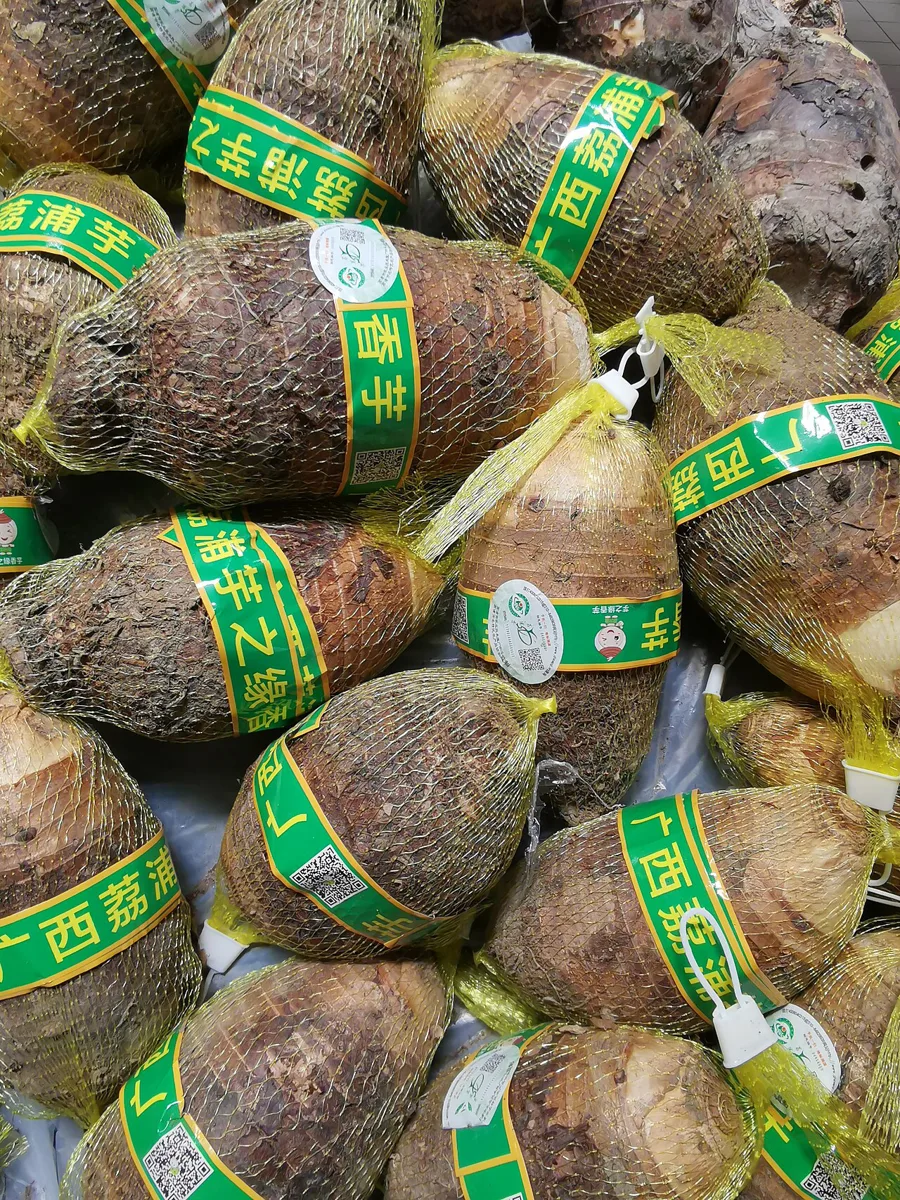
For a packaged snack, read the actual label instead of relying on the front-of-pack name. A product called "Lipu" may still leave you wanting a clear statement of where its taro came from. Flavor names such as crab roe or salted egg yolk don't give you the full ingredient or allergen picture. Processing can also differ between products, so don't assume every crisp taro snack is made the same way. Pack fragile pieces where heavy luggage won't crush them.

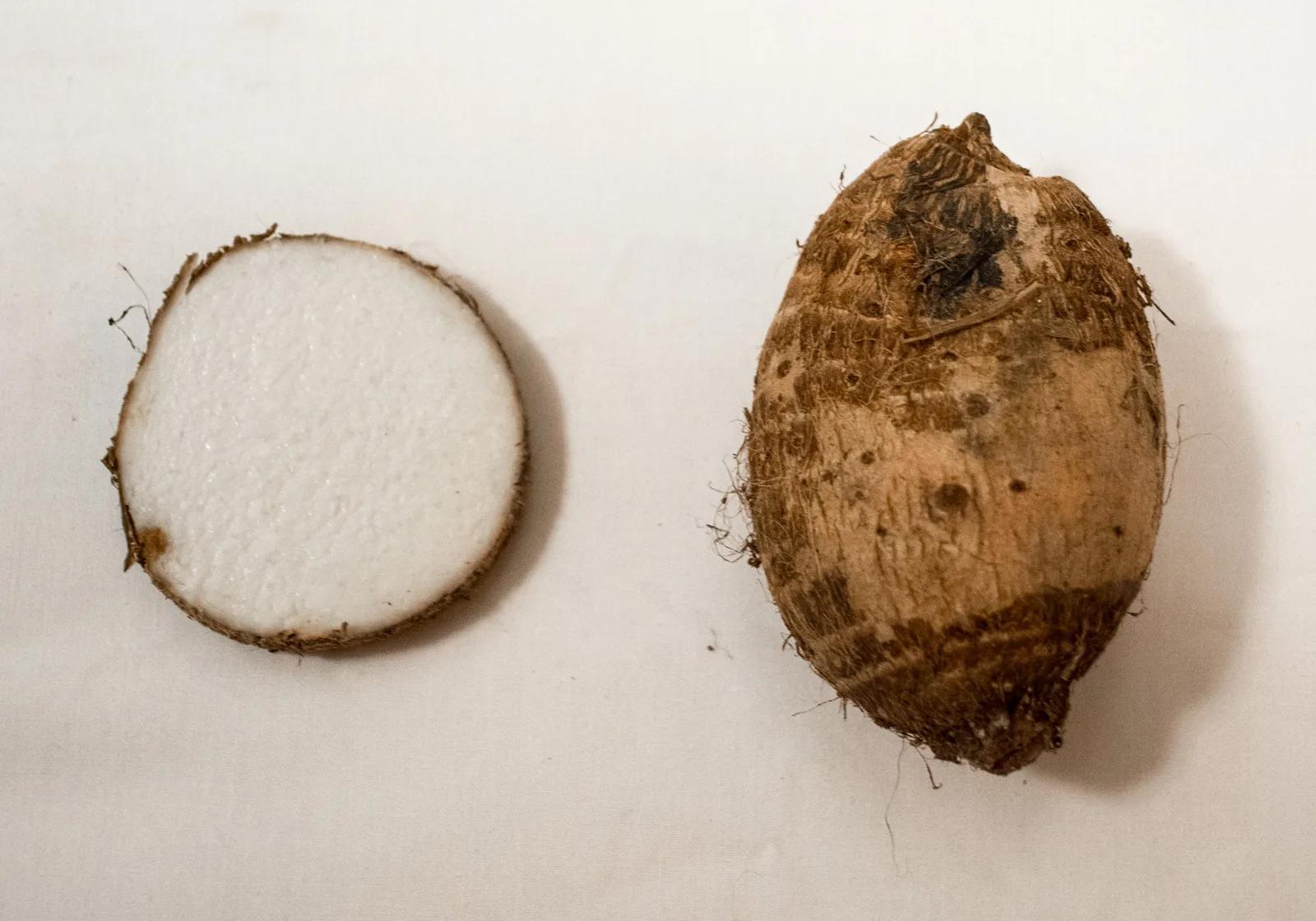
Fresh taro needs more care. NC State Extension's taro profile flags calcium oxalate crystals as a hazard. Never taste it raw. Cook it thoroughly using reliable food-preparation guidance, and protect your hands while handling it because contact can irritate skin.
Travel rules are a separate question from food safety. Permission to carry something within China doesn't mean it can enter another country. Before flying to the US with fresh taro, check current US Customs and Border Protection and USDA rules. Declare food and agricultural items as those rules require. Also ask your carrier about packing restrictions.
- Snack label: ingredients and allergens
- Origin: a statement about the taro, beyond the product title
- Freshness details: production date, shelf life and storage instructions
- Fresh produce: condition, packing, carrier limits and destination entry rules
Which Mistakes Should You Avoid?
Most wrong turns come from treating a name or a format as proof of something else. We'd keep three questions separate: where the taro came from, what is in the food and whether you can take it with you. A good answer to one doesn't answer the others.
Still filling out the rest of your meals? You can compare local noodle options in our Guilin rice noodles guide. For another food to research, read about beer fish around Guilin. Drink-and-snack planning may also lead you to our local oil tea guide.
- Assuming every taro dish uses taro from Lipu
- Treating a product name as proof of origin
- Expecting a crisp packaged snack to represent a cooked dish
- Assuming a taro dish or snack fits your dietary restriction
- Planning a special trip before access and availability are settled
- Buying fresh taro before you know how you'll cook or transport it
For trip-planning details, see Guangxi Zhuang Autonomous Region Government.
Notes for your Guilin trip
Optional updates to our guides.
Also worth reading



Keep planning
More guides you'll find useful